
Venture into the Lost World…One Minute at a Time

A warm welcome to The Palaeo Minute!
From Fiction to Fossils: Mentorship in Motion: In this edition I reflect on the mentors, collaborators that have shaped my path in palaeontology from research supervisors to consultants and creators behind the Jurassic Park films. Their guidance and creativity have played a defining role in my journey through both science and storytelling.
This edition explores:
- Collaborating with Palaeontologists: Reflections on research & mentorship.
- Jurassic Park’s Enduring Impact on Palaeontology: My encounters with Jurassic Park & Jurassic World cast & crew.
- From Fiction to Fossils: How Jurassic World’s scientific evolution has shaped public understanding of palaeontology.
Did you know?
The Jurassic Foundation was founded in 1998 by Universal Pictures and Amblin Entertainment. A non-profit organisation dedicated to dinosaur research and fieldwork around the world.
Advancing Palaeontological Research Through Collaboration
I have had the privilege of working with esteemed palaeontologists throughout my career, particularly during my MSc in Palaeobiology at the University of Bristol. My thesis project was supervised by Professor Mike Benton, Professor Emily Rayfield, and Dr. James Logan King, whose expertise shaped my research approach.
Learning from leading palaeontologists reinforced the importance of mentorship, constructive feedback, and interdisciplinary collaboration in research. My Vallis Vale project, conducted before my MSc, required collaboration with Bristol Museum and Art Gallery, incorporating their collections into the final paper.
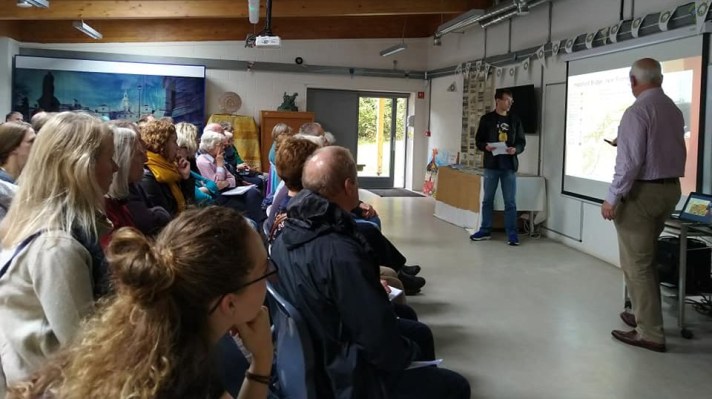
My MSc thesis project focused on hadrosaur jaw development across the Late Cretaceous. The MSc programme provided a solid foundation in palaeobiology, significantly enhancing my knowledge and passion for the subject. The lessons learned during my internship fed into my MSc work, which subsequently influenced my written contributions in palaeontology.
Having distinguished mentors I could email for advice has been invaluable. In addition to collaborating with scientists in the field of palaeontology, I have had the unique experience of meeting individuals involved in the Jurassic Park and Jurassic World films.
Jurassic Park’s Influence on Palaeontology
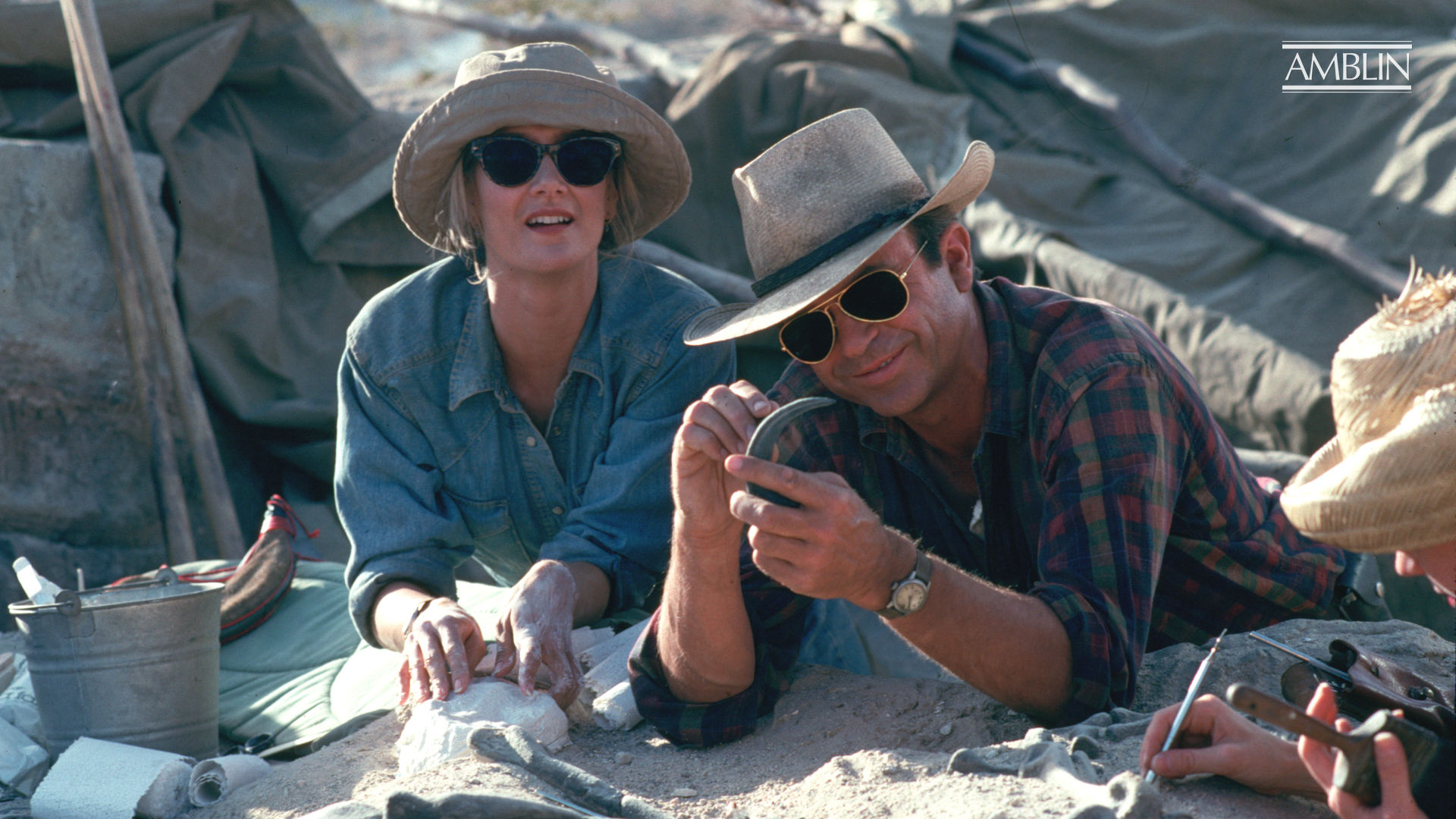
Since its release in 1993, Jurassic Park has inspired countless individuals to pursue careers in palaeontology, media, and science communication. Beyond entertainment, its cultural influence has increased museum visits and public engagement in fieldwork.
The film holds substantial cultural significance within both pop culture and cinema, often regarded as the best film in the Jurassic Park/Jurassic World franchise. In 2019, I had the opportunity to meet Sam Neill, who portrayed Dr. Alan Grant, at a Comic Convention in Wales. His iconic portrayal of Alan Grant was a major influence on my decision to pursue palaeontology. Meeting Sam was a surreal experience, reinforcing the connection between science and storytelling.
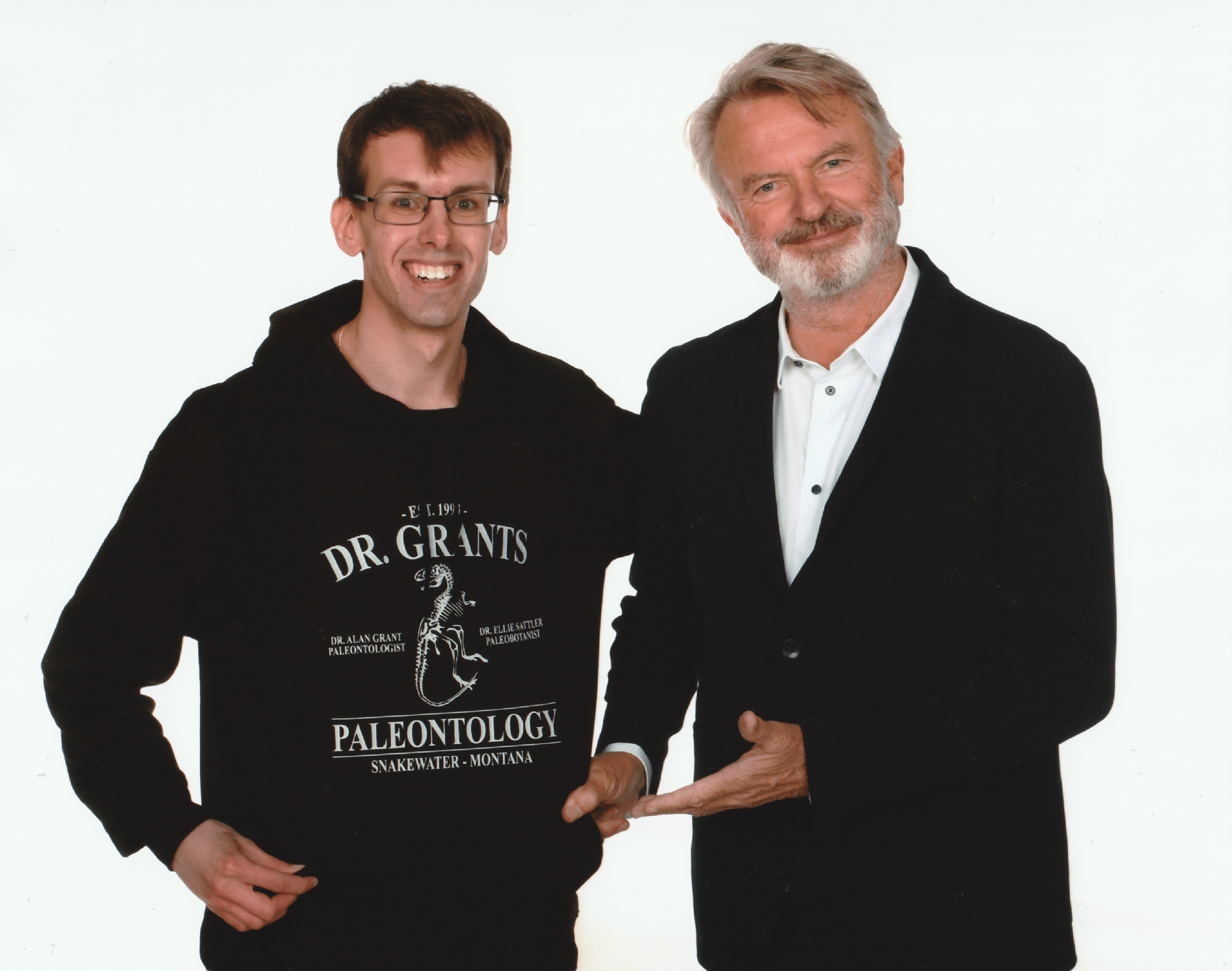
The character of Dr. Alan Grant has always struck a chord with me ever since reading the characters journey in the original Jurassic Park novel by Michael Crichton. Sam Neill’s on screen performance although slightly different from the novel, made Dr. Alan Grant an integral and dynamic character just like in the original book.
Inside Palaeontology: Mentorship, Consulting, and Scientific Insights
Meeting Professor Steve Brusatte
In addition to research collaborations and meeting actors, I have had the opportunity to engage with pioneers in the palaeontological field.
Meeting Professor Steve Brusatte in 2022, palaeo consultant for Jurassic World: Dominion, deepened my understanding of how scientific accuracy is integrated into cinematic depictions of dinosaurs. His lecture not only covered his fossil work from Scotland and beyond, but also explored the process of bringing that science into Hollywood, as seen in his Jurassic consulting work.
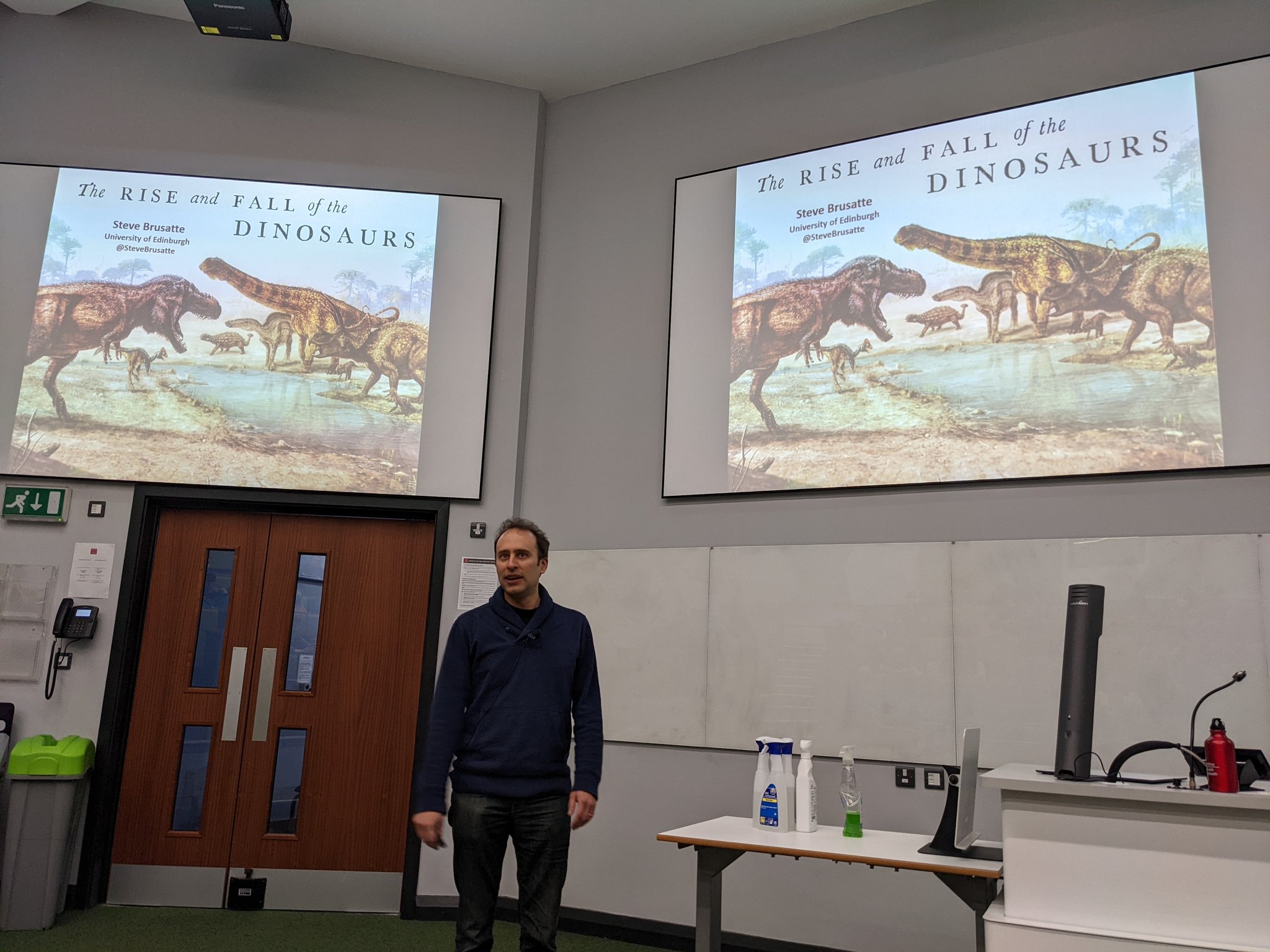
His presentation on the Rise and Fall of the Dinosaurs was exceptional, providing a comprehensive summary of the fossil discoveries he had been involved in, both in Scotland and elsewhere, alongside information about his new book publication.
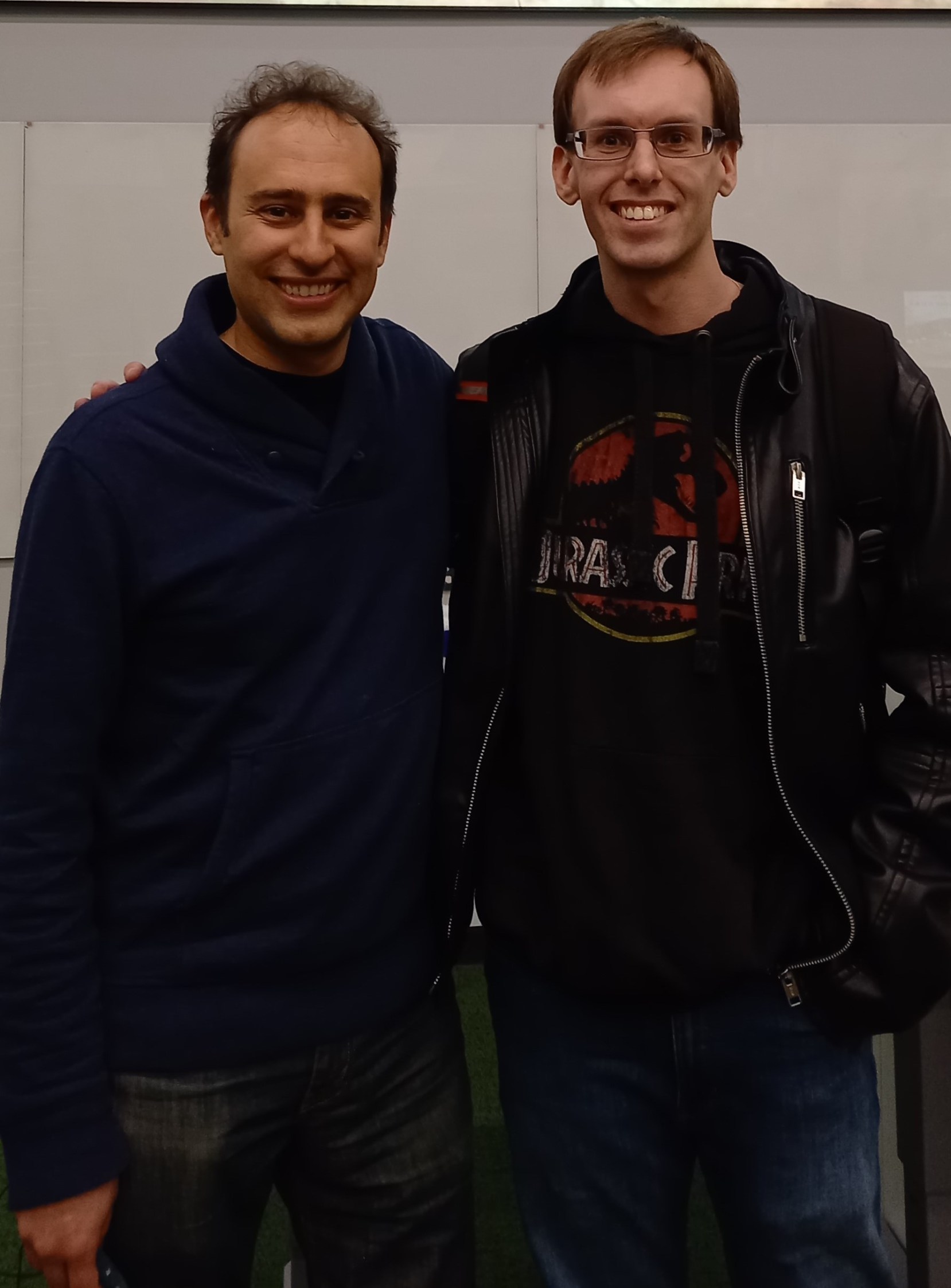
As a fellow Bristol MSc alumni, Steve’s insights into palaeontology and science communication were invaluable. His role as a palaeontological consultant for Jurassic World: Dominion and Jurassic World: Rebirth has helped bring dinosaur depictions closer to scientific accuracy.
In 2025, Steve kindly took part in an interview with me exploring palaeontology and Jurassic World. It was fascinating to learn more about his connection to the Jurassic franchise and the role it has played in shaping modern science communication.
Meeting Jack Horner
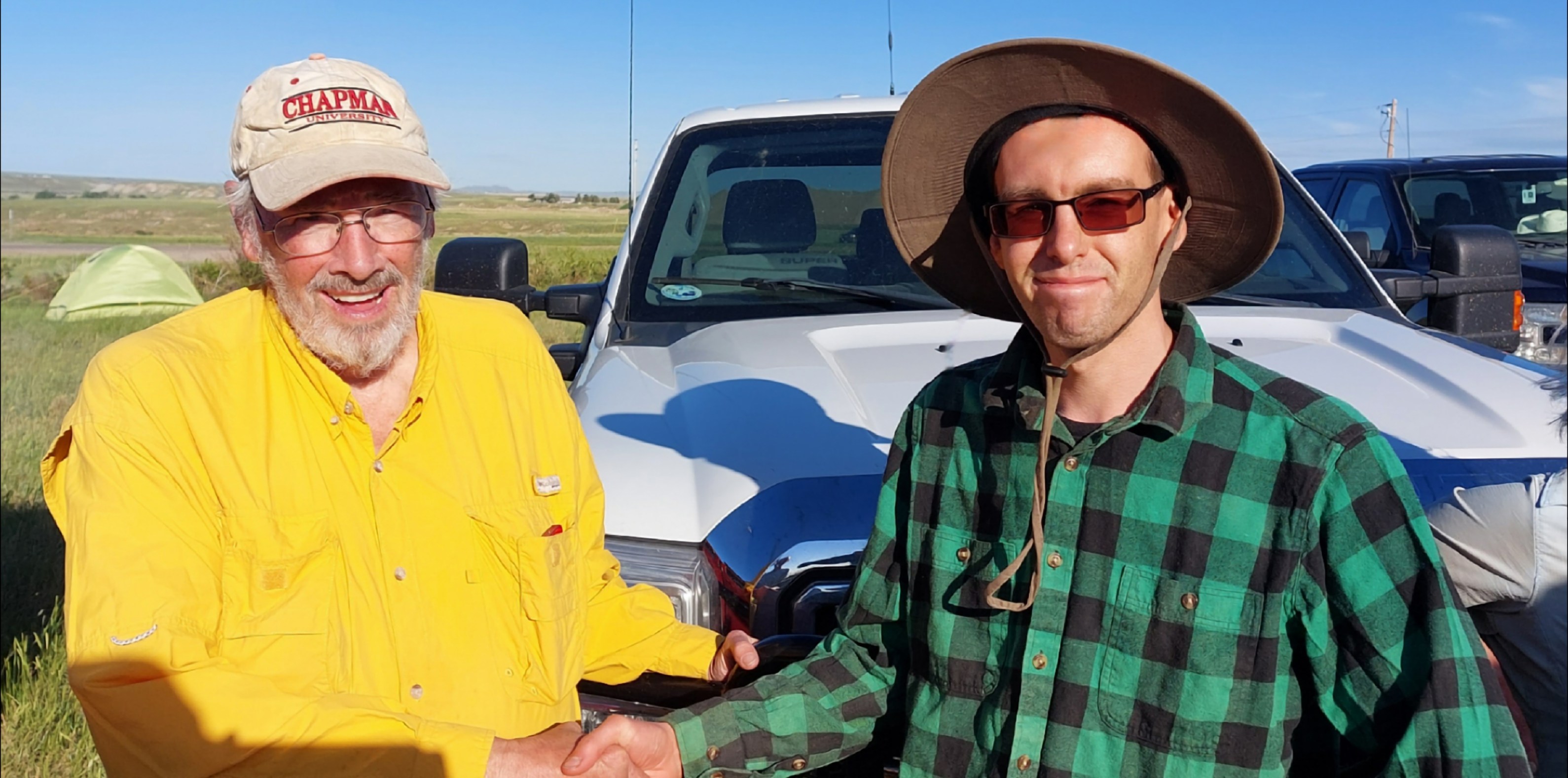
In 2024, an unexpected encounter in Montana gave me the chance to speak with Jack Horner. As a child, I watched all of his behind‑the‑scenes interviews for the Jurassic Park and Jurassic World films, where he served as palaeontological consultant. Jack’s expertise significantly influenced the design and behaviour of the creatures seen across the Jurassic Park and Jurassic World films.
From Fiction to Fossils: Jurassic World’s Scientific Evolution
The Jurassic World films have progressively embraced more accurate palaeontological concepts, thanks to consulting experts like Jack Horner and Steve Brusatte.
Steve Brusatte has helped to provide advice on a number of dinosaur features, including dinosaur sizes, behaviour and of course, feathers. While Jurassic World: Dominion made headlines for debuting fully feathered dinosaurs, the decision was more than aesthetic, reflecting decades of research into dromaeosaurid integument. Feather impressions from sites like Liaoning in China have radically reshaped our understanding of these animals, confirming their evolutionary ties to modern birds.
Why this Matters
These palaeontological developments have pushed the latest science into the cinematic spotlight, grounding dinosaur anatomies in real fossil data and showing how palaeontology advances through debate, evidence, and reinterpretation.
The Intersection of Science & Storytelling
Whether consulting for filmmakers or publishing peer-reviewed work, these insights continue to ripple through both science and storytelling. Understanding the cinematic representation of prehistoric life remains crucial in science communication. Engaging with directors, screenwriters, and palaeontological advisors have provided fascinating insights into how scientific discoveries have shaped and continue to shape pop culture narratives.
From ground-breaking research collaborations to the cinematic influence of Jurassic Park and Jurassic World, palaeontology continues to shape our understanding of natural history. The dedication of palaeontologists, educators, and science communicators ensures that fossil discoveries remain relevant and accessible, bridging the gap between scientific inquiry and public fascination.
I hope this edition has provided valuable insights into palaeontology’s impact on both scientific research and popular culture. Continue the journey follow The Palaeo Minute on X and Instagram.
Don’t miss the next edition below, where I explore the jaw biomechanics of the mighty tyrannosaurs. It’s a prehistoric conversation you won’t want to miss!
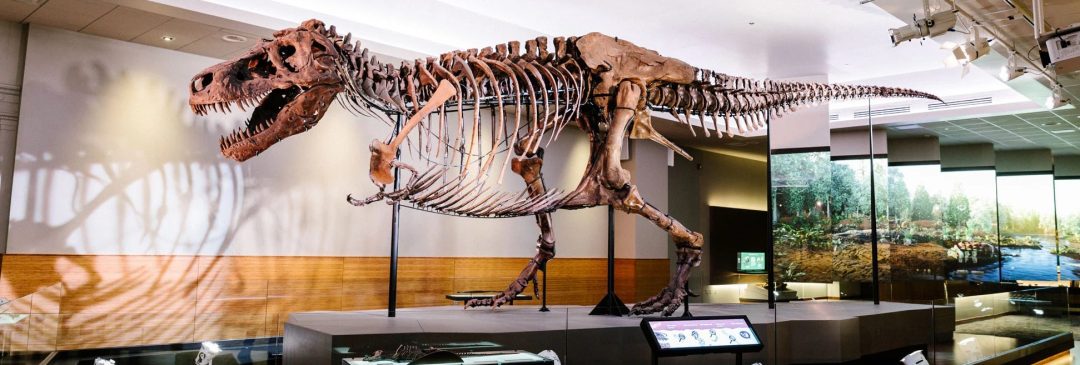
Palaeontology Fact of the Month
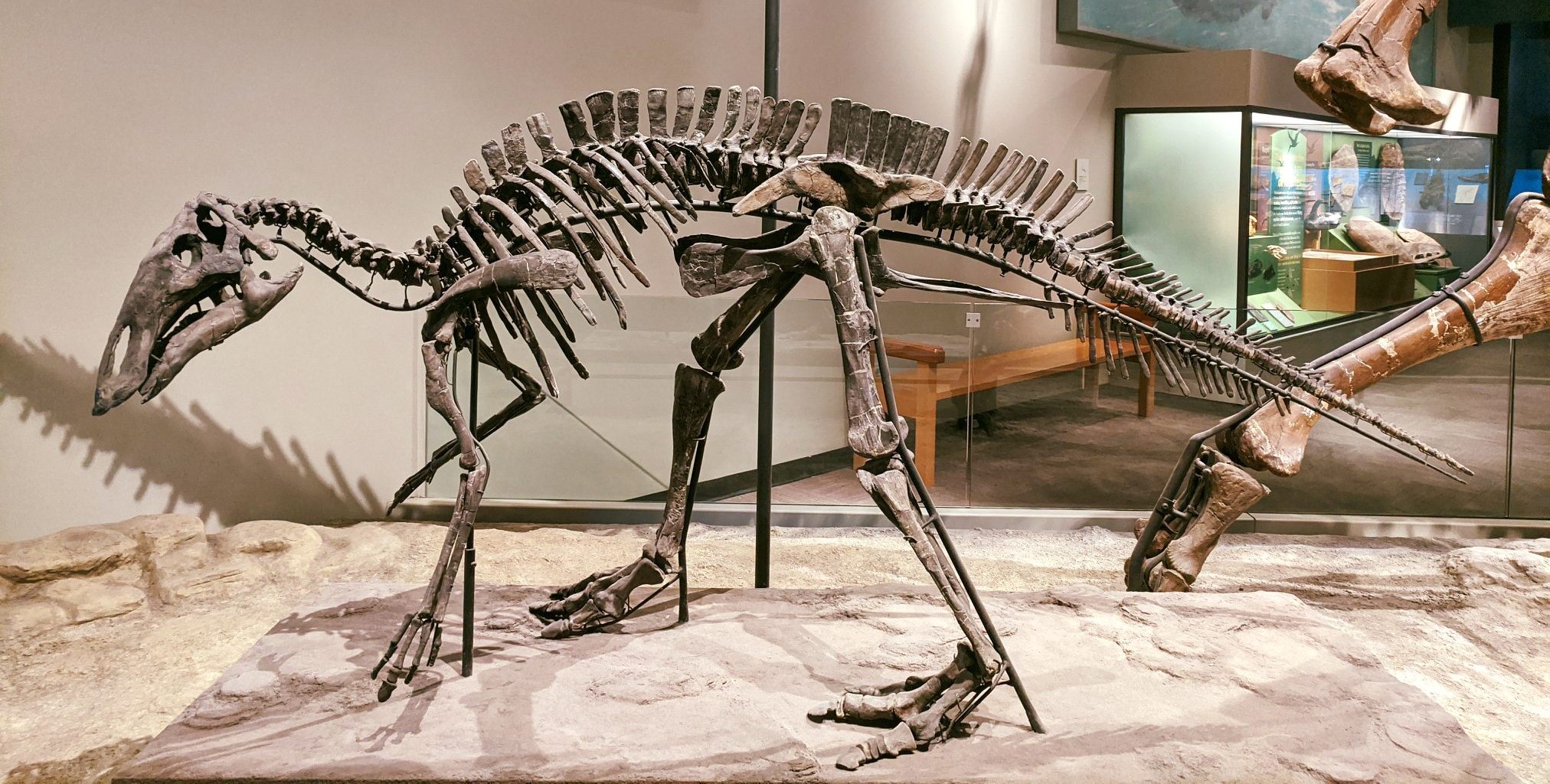
This fossilized skeleton of Maiasaurua, recovered in Montana, is 78 million years old from the Late Cretaceous. Maiasaura is a saurolophine hadrosaur, and its name means “Good mother reptile.” The dinosaur is the state fossil of Montana and was described in 1979 by palaeontologists Jack Horner and Robert Makela. Multiple fossilized nesting sites of Maiasaura with post-nestling juveniles have been found within the Two Medicine Formation, showing that Maiasaura parents cared for their young for an extended period.
Thanks for venturing into the Mesozoic with me—see you next edition!
Stay Up to Date with The Palaeo Minute Social Media Channels
Instagram: instagram.com/thepalaeominute/
Past Newsletter Editions: The Palaeo Vault: Newsletter Archive

