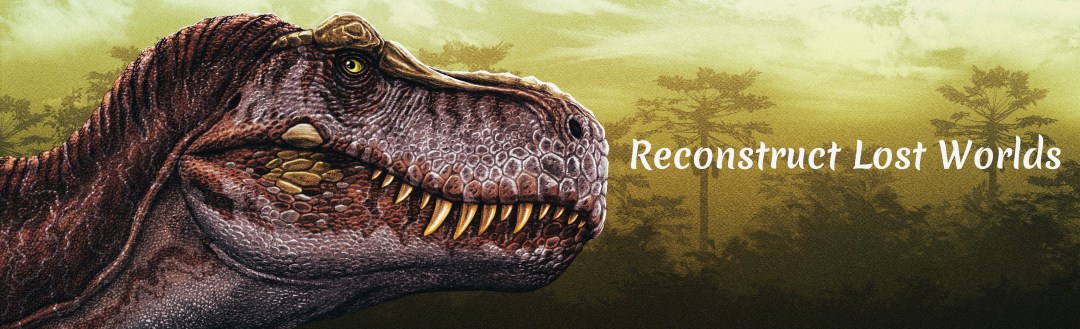
Why I stepped forward to create the Dinosaur Accuracy Audit and the standard I want to set.
Dinosaur Accuracy Matters
A New Role and a Necessary One
For as long as I can remember, dinosaurs have been a source of joy and fascination. They shaped my childhood, guided my studies and became the foundation of my career. Yet over the years something has quietly troubled me. Whenever I visited a dinosaur attraction, whether a theme park or a museum exhibition, I felt a growing sense of sadness. The science had moved forward. The public experience had not.
Earlier this year I visited a dinosaur themed attraction that made this impossible to ignore. The park around it was modern and full of life. The dinosaur area was forgotten and dated. The models were locked in ideas that palaeontology left behind decades ago: incorrect postures, pronated forelimbs, missing feathers and integument where required, and dinosaur models placed alone in open spaces with no ecological context or story. It was hard to see, because I know how much joy dinosaurs can bring when they are shown with care, accuracy and creative storytelling.
That visit stayed with me and reminded me how important it is for people to meet dinosaurs in palaeontological wonder, in ways that reflect the richness of the fossil record and what we now understand about them. It reminded me how powerful these animals are as a gateway into science. It also made it clear that the gap between research and public display has grown too wide and that someone needs to help close it.
So I decided to lead the charge.
Why This Matters
Modern palaeontology has transformed our understanding of dinosaurs. We have discovered new species, uncovered new behaviours and reshaped our view of how these animals looked and lived. Yet many public exhibits still present interpretations that are thirty or forty years old. In some places even older.
This gap affects more than scientific accuracy. It affects the experience itself. Families invest in days out and they deserve encounters that feel alive and meaningful. When exhibits feel outdated, visitors notice. It reduces repeat visits and weakens trust in the experience.
Outdated models undermine educational value. They weaken confidence in the information being presented and make it harder for parks and museums to offer exhibits that feel relevant and inspiring. They also create practical risks. They affect brand reputation, limit long term visitor engagement and make it harder for organisations to meet modern expectations for quality and authenticity.
Dinosaurs inspire curiosity in a way few subjects can. When their public depictions fall short, we lose a chance to connect people with the Mesozoic world in a deep and memorable way.
Why I Am Taking This On
I have carried a quiet frustration for years. Some of the parks I visited as a child still display the same models today, unchanged despite everything we have learned since. I have watched the gap widen between what palaeontologists know and what the public sees during a family holiday. The public is far more educated about dinosaurs now than they were before Jurassic Park released in 1993.
I know I am not alone in feeling this. Many palaeontologists share the same frustrations, and visitors know straight away when something is outdated or out of place. That shared disappointment matters because it shows how important these experiences are. Eventually I realised that waiting for someone else to fix it was not enough. No one else was stepping forward. I care too much about dinosaurs and about the people who come to see them, to let that gap continue to grow.
My career has been shaped by research and fieldwork. My life has been shaped by the places where the public meets dinosaurs. I understand the science and I understand the experience of meeting these animals as a visitor. That combination gives me the knowledge, the passion, and the responsibility to help improve how dinosaurs are shown to the world.
A Needed Standard
Palaeontology, dinosaurs and the public deserve better. The public deserves to experience dinosaurs that reflect real science, models and environments that honour the fossil record and spark imagination. Accurate reconstructions deepen curiosity and strengthen the sense of wonder that first drew so many of us to dinosaurs as children.
I created the Dinosaur Accuracy Audit because no formal standard for dinosaur accuracy in attractions and exhibitions has ever existed. The audit provides a clear structured framework for carrying out detailed assessments of dinosaur models, animatronics and their environments across theme parks, museums and exhibitions. It gives the sector a reliable benchmark for scientific accuracy, educational value and visitor trust.
My background in both palaeontological research and public dinosaur experiences puts me in a rare position to define this standard in a way that supports organisations and strengthens the connection between science and the public. Better accuracy leads to stronger visitor engagement, clearer educational value and a more reliable standard of quality control. It reduces the risk of outdated interpretations being a liability and helps parks and exhibitions invest in displays that remain relevant for years to come.
This work matters to me. It sits at the point where research, public engagement and operational quality meet, and it is where I want to make a difference. My hope is that the audit will help parks and exhibitions show dinosaurs in a way that feels alive, informed and inspiring.
This is the work I am committed to and the gap I want to close. This is the standard the public deserves and the standard I want to set.
Intellectual Property Notice
The Dinosaur Accuracy Audit™ brand name, framework, scoring system, rating methodology, certification levels, badges, digital certificates, audit reports, and all associated materials are proprietary assets of James Ronan. The Dinosaur Accuracy Audit™ is a registered trademark of James Ronan registered with the UK Intellectual Property Office (UK IPO). All materials are protected by copyright.
These materials may not be reproduced, adapted, or applied to other projects without express written permission. Clients receiving a certification are granted a non‑exclusive licence to display the official badge solely for the specific attraction or exhibit audited.
