Venture into the Lost World…One Minute at a Time

A warm welcome to The Palaeo Minute!
At the Feet of the Dinosaurs: Unearthing Ancient Secrets: This edition of The Palaeo Minute revisits the project that helped launch my palaeontology career, from fossil-rich bonebeds and storm-blown sediments to my first academic publication. Join me on a journey through prehistoric environments and the microscopic clues they left behind. I hope you enjoy unearthing Triassic insights in this edition.
This edition explores:
- Palaeontology in Action: My research at the University of Bristol (2018–2020).
- Behind-the-Scenes: Of my palaeontological internship, hands-on exploration & discovery.
- A Geological Field Site: Like no other, the fascinating terrain I investigated.
- Microvertebrate Fossils Revealed: Fossils identified & collection comparisons.
This project, though rooted in past research, set the foundation for the skills crucial to my palaeontological journey, skills I honed during my transformative At the Feet of the Dinosaurs internship.
Did you know?
That the area around Bristol 200 million years ago was the site of an archipelago of tropical islands. These islands hosted a range of small dinosaurs, lizards and surrounding wildlife.
The At The Feet of the Dinosaurs Internship
I consider doing the At the Feet of the Dinosaurs internship at the University of Bristol a turning point in my palaeontological career. The undergraduate internship offered students who are passionate about palaeontology the opportunity to work on a summer project, incorporating fieldwork, research, scientific writing and identification into an eventual completed geological journal article.
Looking back, this project was the foundation for my growth in scientific writing, research, and analysis, essential skills for my master’s in palaeontology.
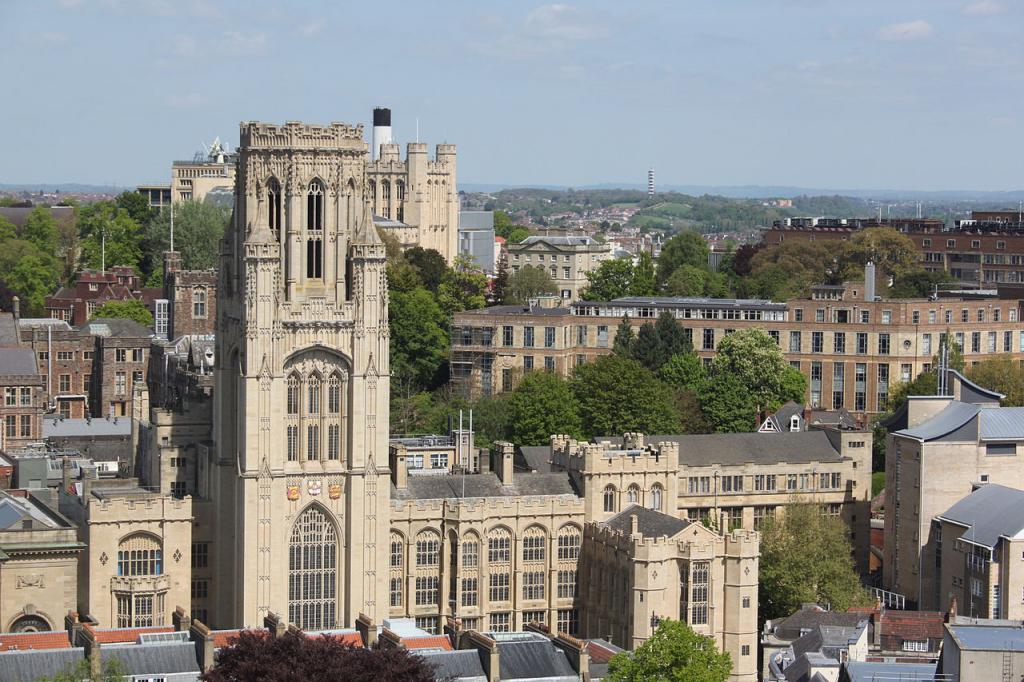
My project was a collaboration with the University of Bristol Palaeobiology Group and Bristol Museum and Art Gallery, focusing on Vallis Vale, a Rhaetian (Late Triassic) fossil site in Frome that had seen little recent scientific attention.
Applying my developing palaeontological skills, I identified microvertebrate fossils, analysed the site’s geological context, and contributed to a scientific journal article published in the Proceedings of the Geologists’ Association. This marked my first academic publication and a rewarding collaboration with palaeontologists, lab scientists, and museum curators.
Before starting the internship, I held a degree in Geography, though I had been out of academia for a few years. My initial grounding in palaeontology came from completing online MOOC courses offered by the University of Alberta, which provided a useful introduction to the subject despite not holding a formal qualification at the time.
I also volunteered at Bristol Museum and Art Gallery, contributing to their Pliosaurus! Exhibition an experience that further broadened my exposure to the field and public engagement with palaeontology.
The Vallis Vale Field Site
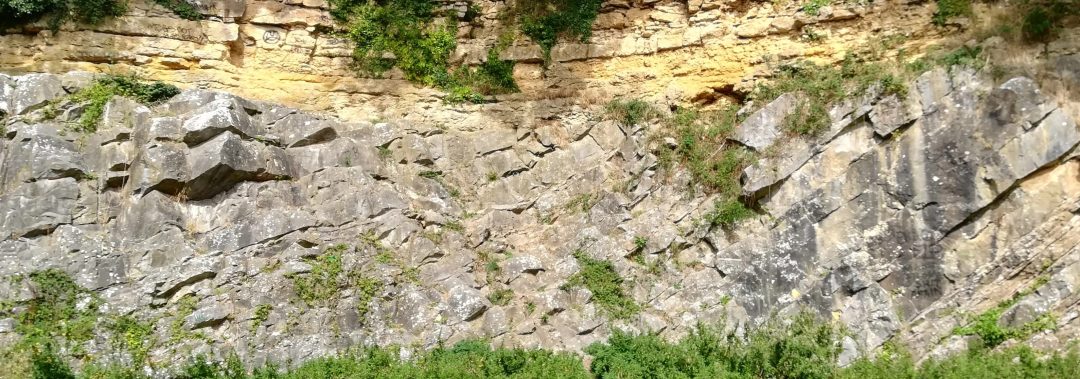
Vallis Vale stands as a unique geological archive, where layers of history from the Carboniferous limestone to the Jurassic Inferior Oolite, reveal a dynamic past. Investigating its Rhaetian bonebeds helped bridge gaps in palaeontological understanding, uncovering fossil evidence that had remained largely unexamined.
Vallis Vale was a geological fossil site I was unfamiliar in September 2018. Geologist Charles Moore provided the first scientific account of the site back in 1867 naming the Vallis Vale sections and quarries. With the Carboniferous limestone of the Vallis being overlain by the Westbury Formation, Cotham Member, Langport Member and Jurassic Inferior Oolite. The site is geologically significant as a Site of Special Scientific Interest.
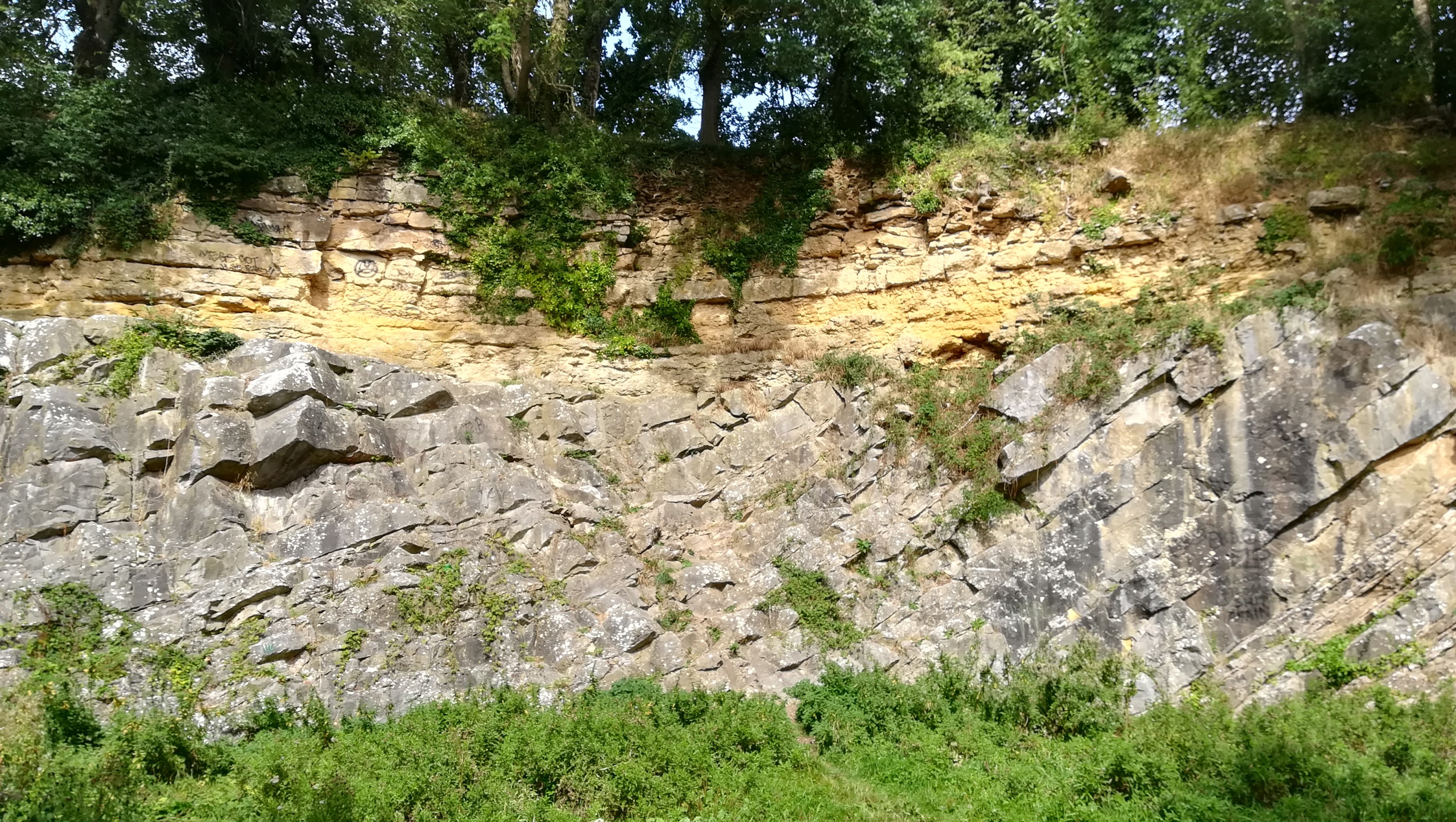
In October 2018, we spent a day logging the Rhaetian bonebeds in sequence at the Hapsford Bridge site and collected sediment samples for fossil processing at the University of Bristol. These samples were subsequently processed in the Palaeobiology Laboratory over several weeks, after which I gained access to them for analysis.

Extensive reading, journal articles, books, and online resources combined with multiple site visits deepened my understanding. This research naturally led me to explore collections at Frome Museum and Bristol Museum and Art Gallery.
This collection of information led into the written geological and historical context of the field site and provided a significant amount of knowledge, which was insightful and formed the backbone of the actual journal article.
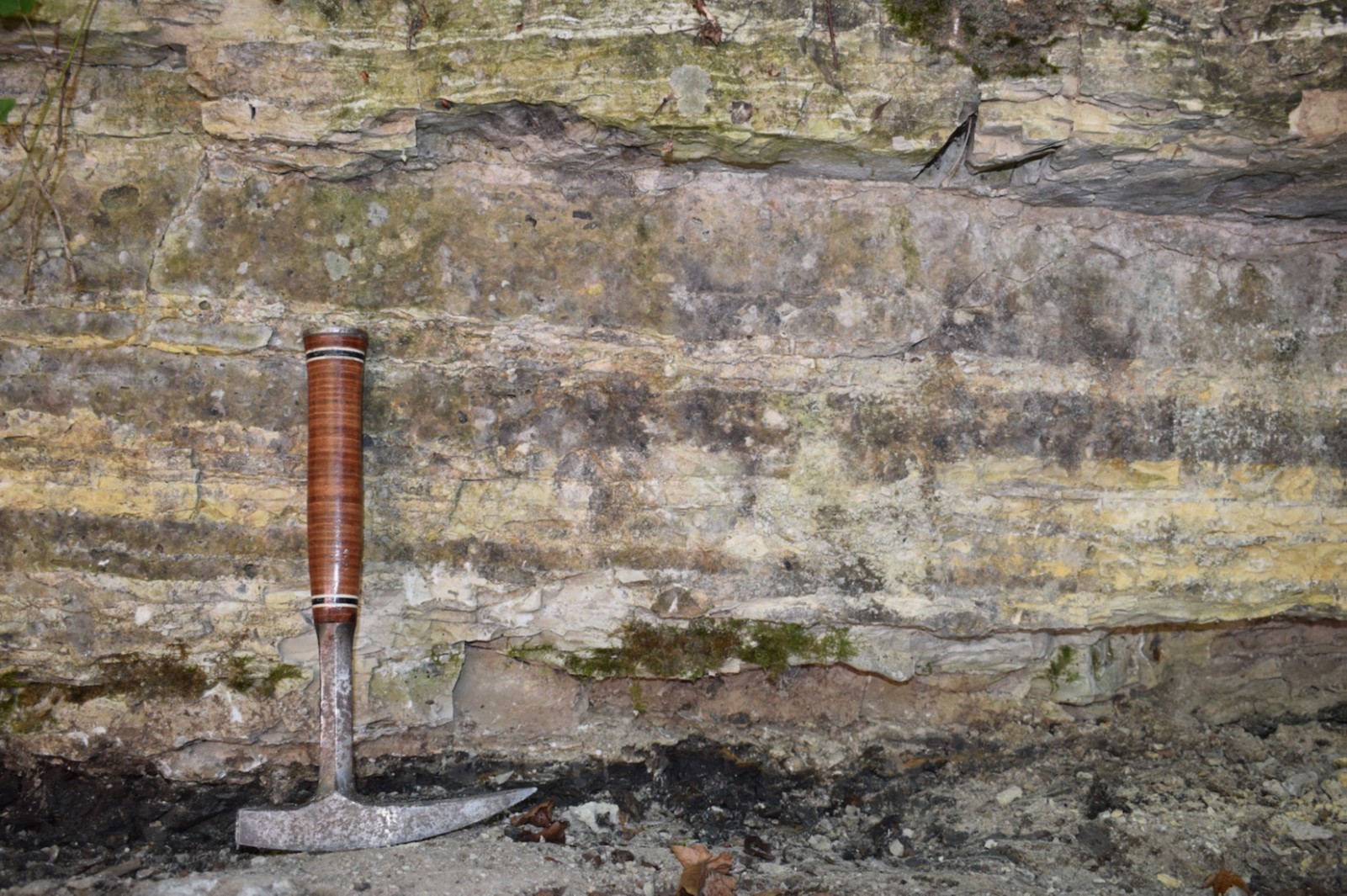
An integral part of time was also spent examining Bristol Museums Rhaetian fossil collections most notably from the Vallis Vale area. These collections would be used for comparison with the fossil samples we took for the Vallis Vale project.
With each field excursion, my grasp of geological formations deepened, preparing me for one of the most intricate aspects of this project: identifying the microvertebrate fossils that would reveal insights into the Triassic ecosystems.
Fossil Identification
I found the identification of the marine microvertebrate fauna from the Rhaetian samples we took the most interesting aspect of the project. It was slightly daunting the number of samples I had to work through and identify, made harder by how small the micro fossils actually were.
One of the most exciting revelations from my fossil analysis was identifying four species of Triassic sharks, Lissodus minimus, Synechodus rhaeticus, Duffinselache holwellensis, and Vallisi coppi. These discoveries provided fresh insight into the marine ecosystems of the Rhaetian period.
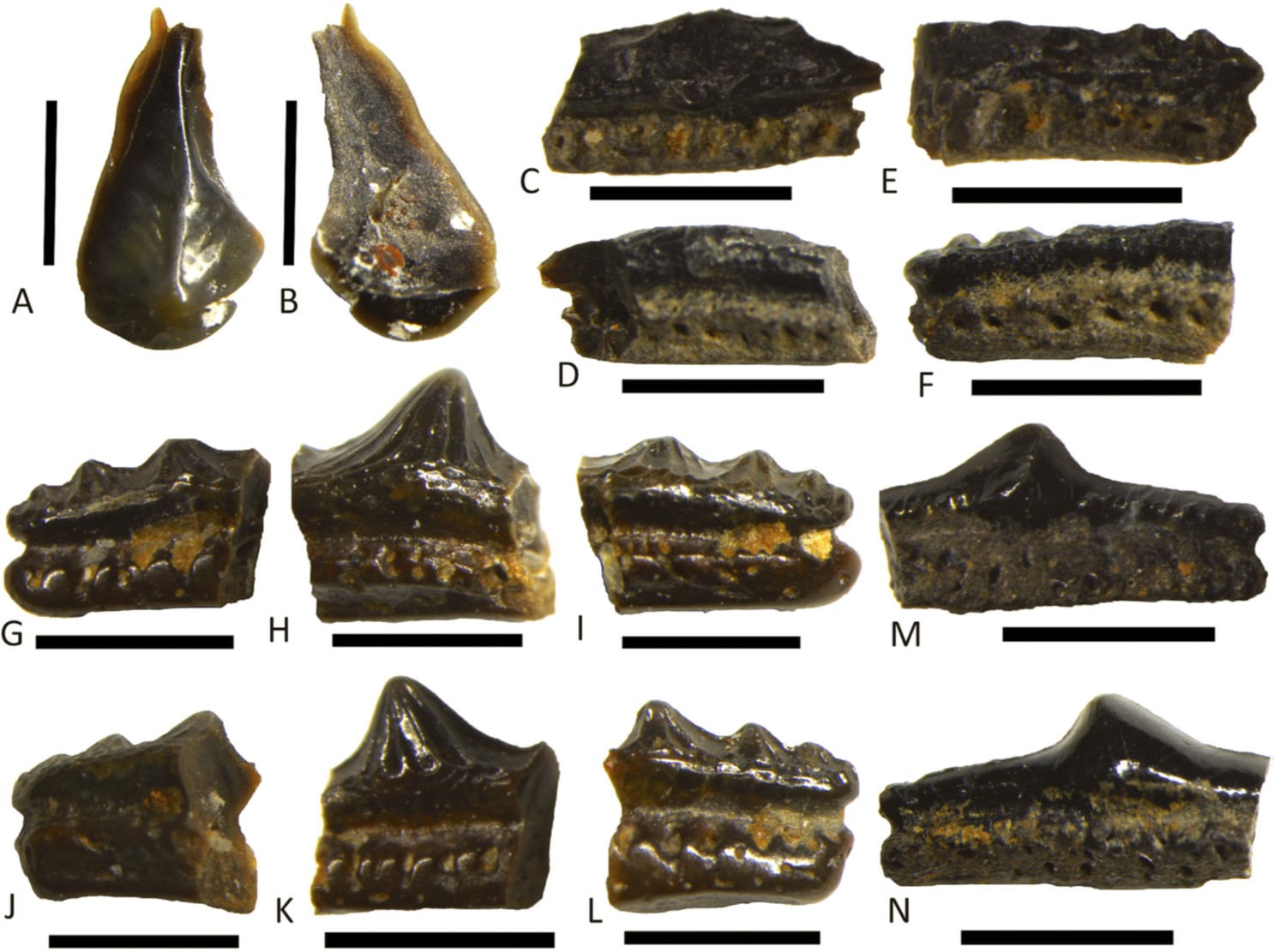
I used the Udden-Wentworth grain scale to categorise the grain size and sorting which was handy for the geological observations I had to make. I identified the fossils based on the book I had with me, Fossils and the Rhaetian Penarth Group edited by Andrew Swift and David M. Martill.
Months of my time were spent in a room in the Wills Memorial building at the University of Bristol, observing the micro fossils under a microscope, counting and identifying them. Both Professor Mike Benton and Dr Chris Duffin provided expertise on the fossil assemblages I had observed and identified.
In the free time away from the fossil picking I was also pulling the information together for the paper alongside the co-authors.
Navigating the scientific writing process was one of the most unexpectedly difficult aspects of this project. Between battling writer’s block, mastering manuscript formatting, and ensuring accurate referencing, I found myself questioning my approach more than once.
However, the collaborative support from experts like Professor Mike Benton and Dr Chris Duffin proved invaluable. Their feedback and guidance helped me push past uncertainty, refine my interpretations, and ultimately contribute meaningful research. Looking back, overcoming these challenges made the final publication all the more rewarding.
Storm Bed Sketches and Microphotography
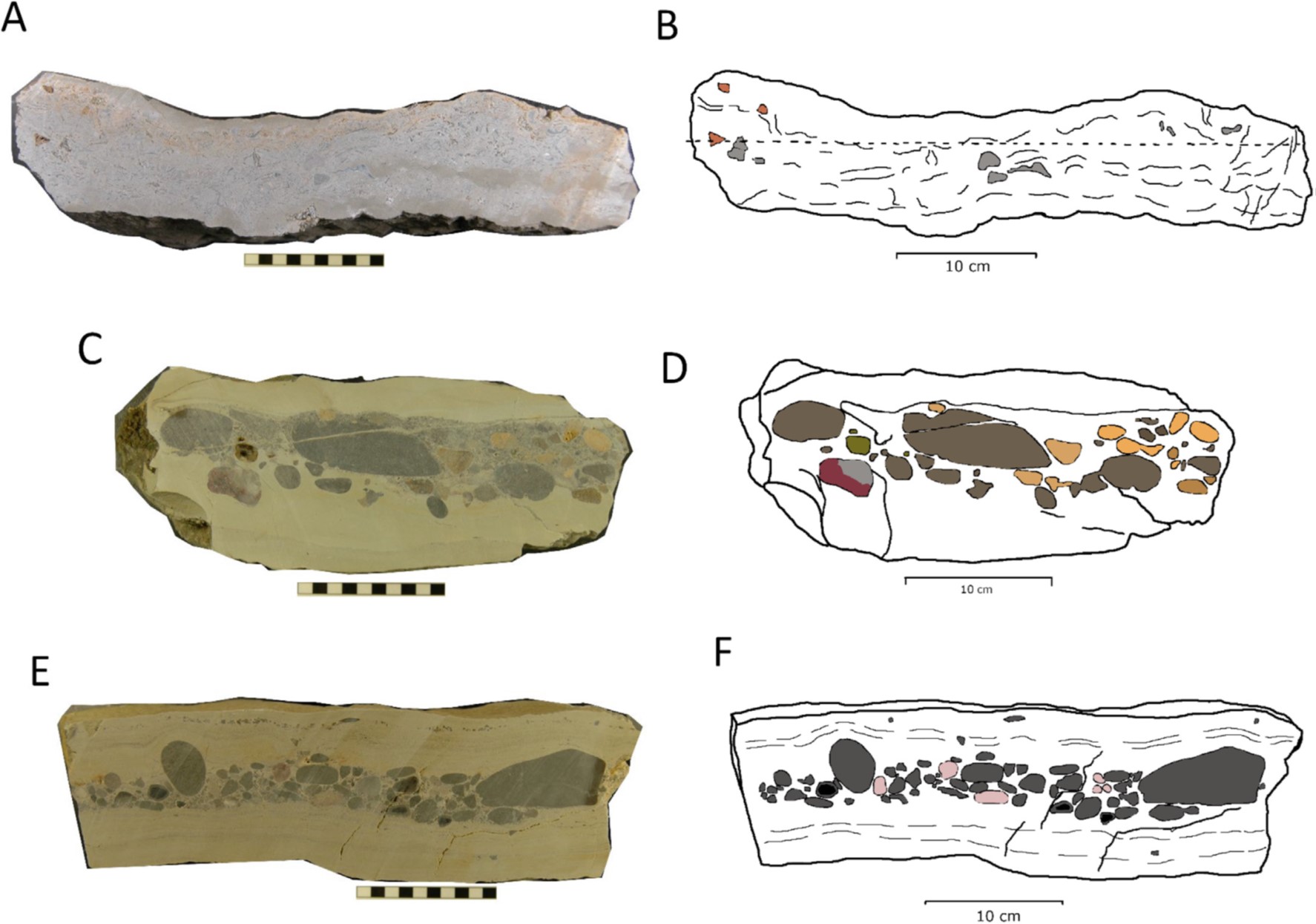
Another key aspect of the project saw me doing the below sketches on storm bed samples we also obtained from the field site. These were quite fun to do and were an effective way to see the impact of the storm flow and deposition.
Storm bed sketches illustrate the sediment deposition below. These sketches helped clarify the impact of storm flow.
The fossil specimens were photographed using microphotography through a Leica DFC425 camera with a 5-megapixel resolution. I did have to retake some photos due to blurring but in the end they all came out very well. The best fossil images I then selected for the creation of the fossil plates for the paper. The plates were created in Adobe Illustrator, where I also had to create the scale bars.
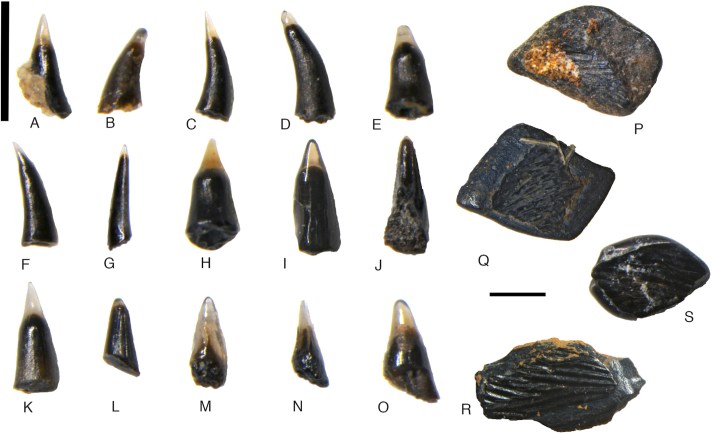
We also compared the fossil samples we obtained from the Vallis Vale field site with those of a collection by Crane at Bristol Museum and Art Gallery. I spent a fair bit of time in the geology store at Bristol Museum looking at the collections from the Vallis Vale area. These were also microphotographed at the Life Sciences Building in Bristol and included in the journal article for comparison.

Four species of Triassic sharks were identified from the Rhaetian bonebed deposits: Lissodus minimus, Synechodus rhaeticus, Duffinselache holwellensis and Vallisi coppi. We also found the following Actinopterygians; Gyrolepis albertii and Severnichthys acuminatus alongside many other microfauna which included bivalves, barnacles, and echinoids.
The storm beds tore up pebbles and rocks on the ocean floor carrying them along with teeth, bones and fragments of fishes and reptiles. These were tumbled and abraded leaving the fossil rich bonebed identified at the Rhaetian sites in Vallis Vale.
Piecing together the fossil evidence painted a vivid picture of Mesozoic sea inundations, laying the groundwork for the journal article that would share these findings with the wider scientific community.
The Finished Journal Article
Overall, the geological project was a tremendous success, deepening our understanding of the region’s palaeoenvironment over 200 million years. The final paper was published on May 29, 2020, accompanied by a press release on the University of Bristol website.
Next up: Jurassic Park to real life!
With over 1,700 reads on ResearchGate and references in subsequent palaeontological studies, this project has contributed valuable geological and scientific context to Vallis Vale, paving the way for future research.
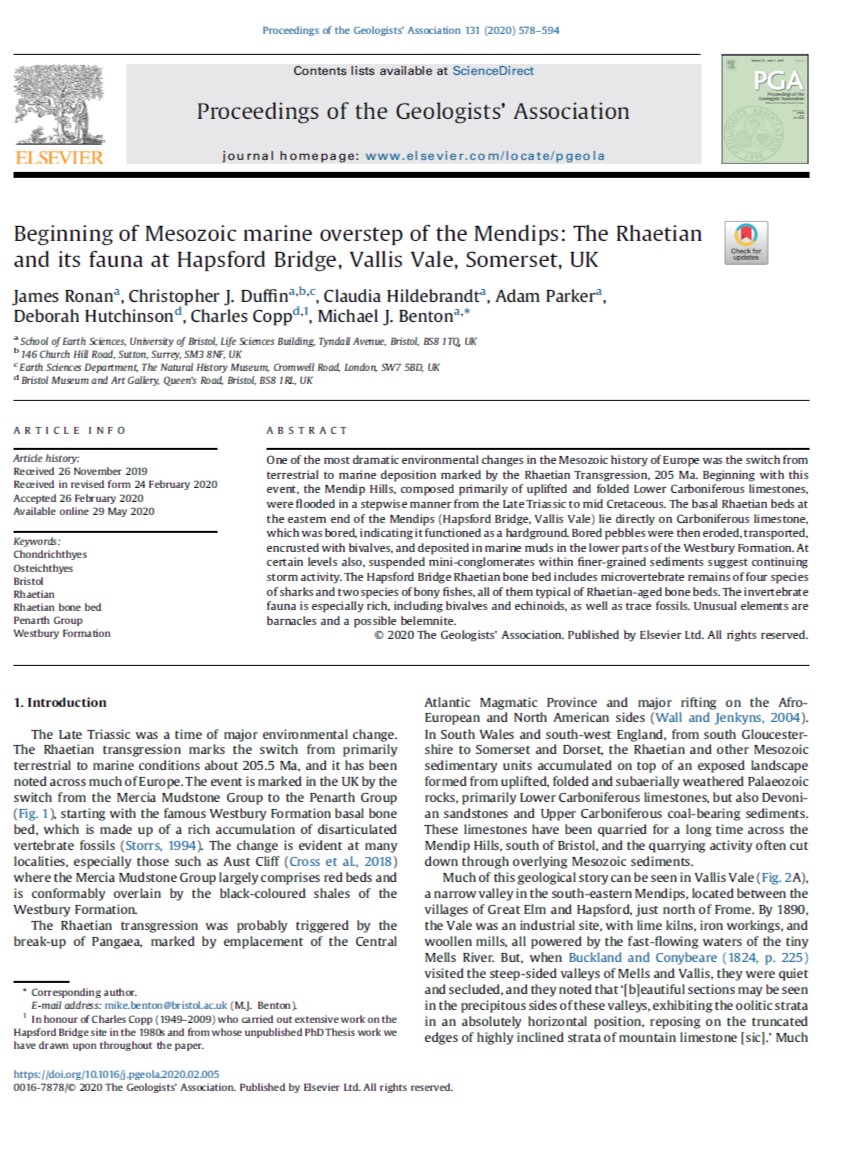
Vallis Vale completed paper. Image credit: Ronan et al. 2020. 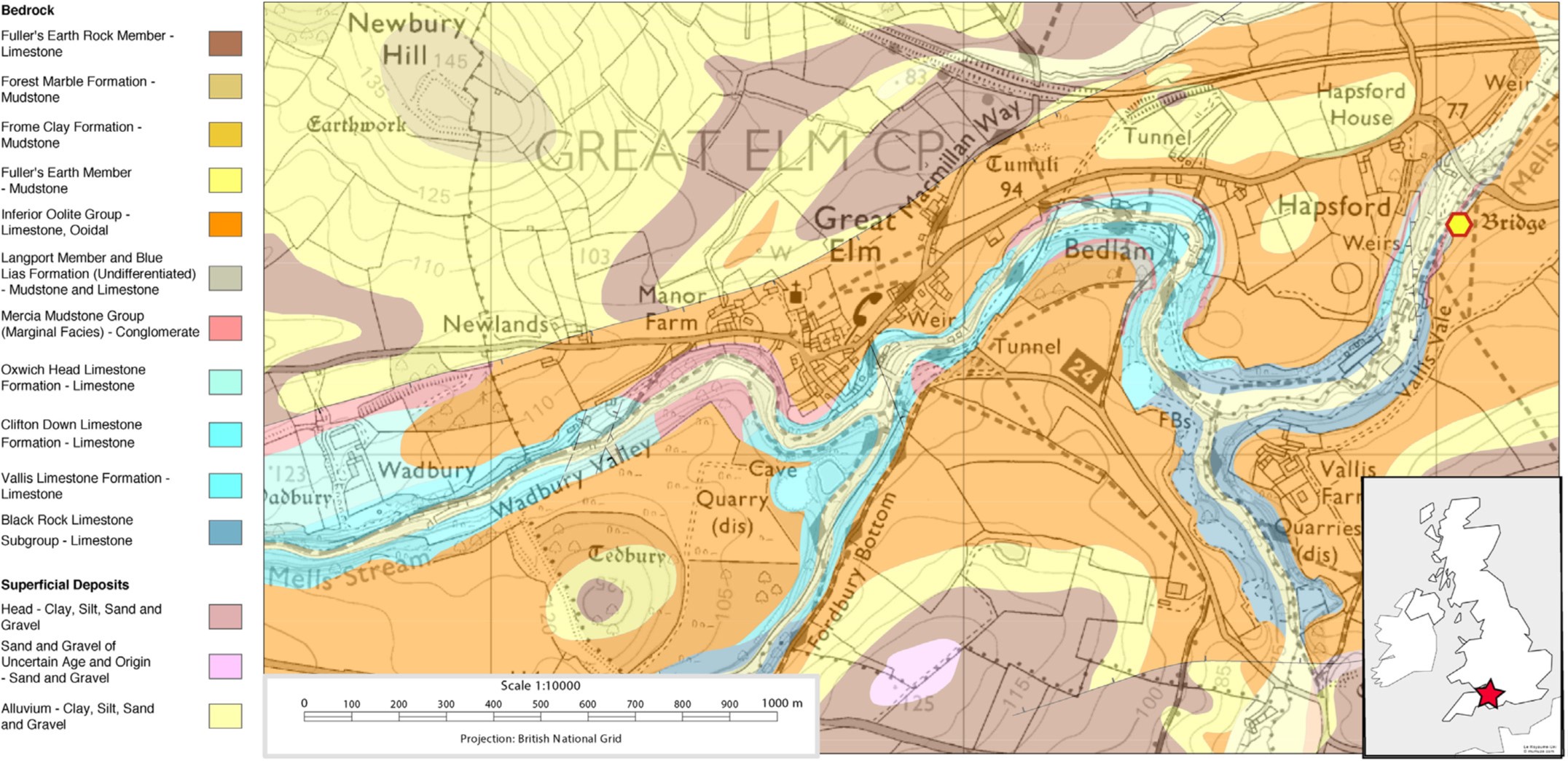
A geological map of Vallis Vale (Figure 3). Image credit: Ronan et al. 2020. 
Chondrichthyan teeth identified in the study (Figure 6). Scale bar is 1mm for all specimens. Image credit: Ronan et al. 2020. 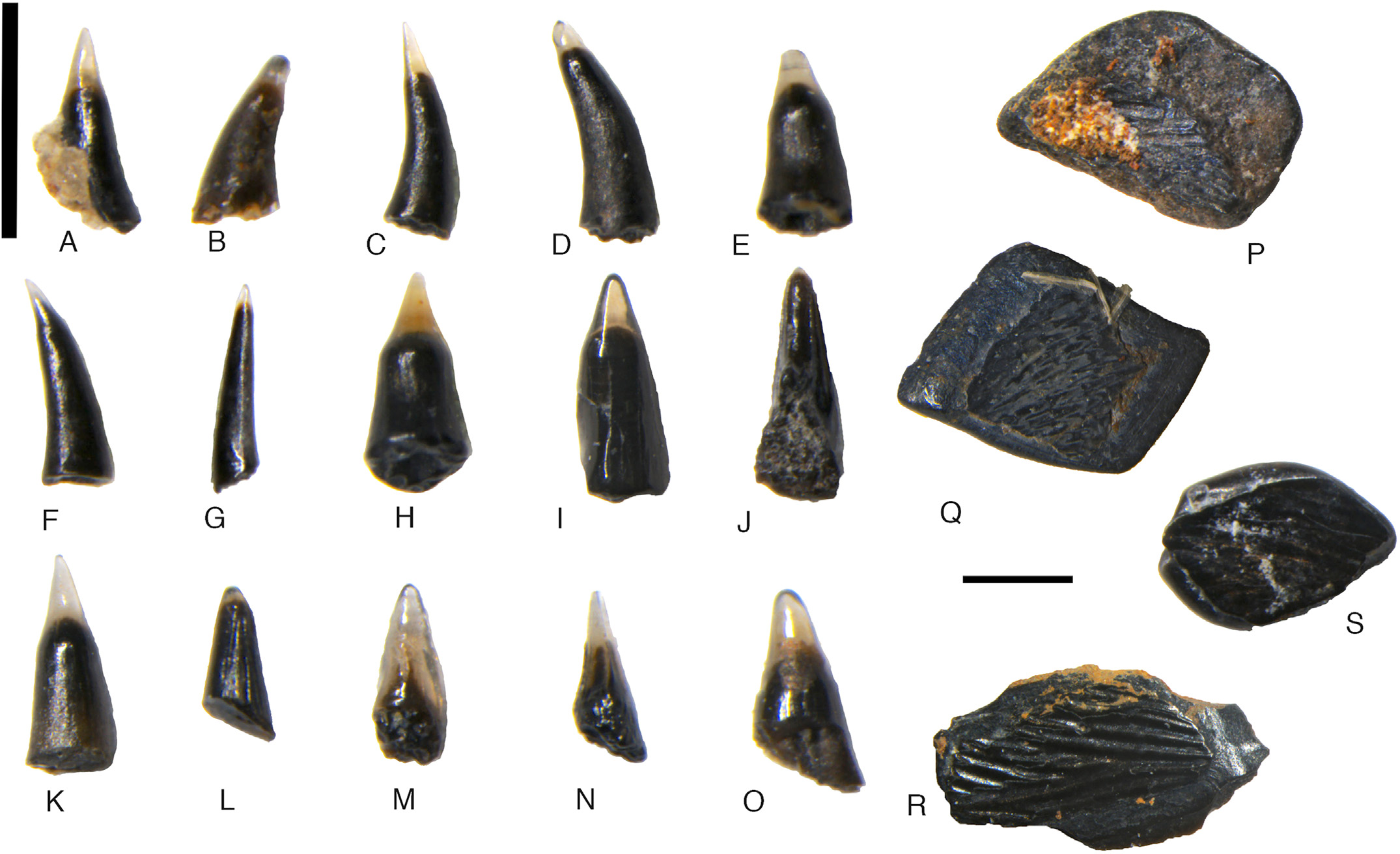
Actinopterygian teeth and scales identified in the study (Figure 8). Scale bar 1mm for all specimens. Image credit: Ronan et al. 2020. 
Inferred storm beds from different levels in the Westbury Formation (Figure 13). Image credit: Ronan et al. 2020.
I hope you have found this edition of The Palaeo Minute both insightful and engaging. The Vallis Vale microvertebrate project was a fantastic research opportunity, and it has been truly refreshing to share more of its story with you here.
Don’t miss the next edition below, where I explore collaborations in palaeontology and the impact of Jurassic Park. It’s a prehistoric conversation you won’t want to miss!

Palaeontology Fact of the Month
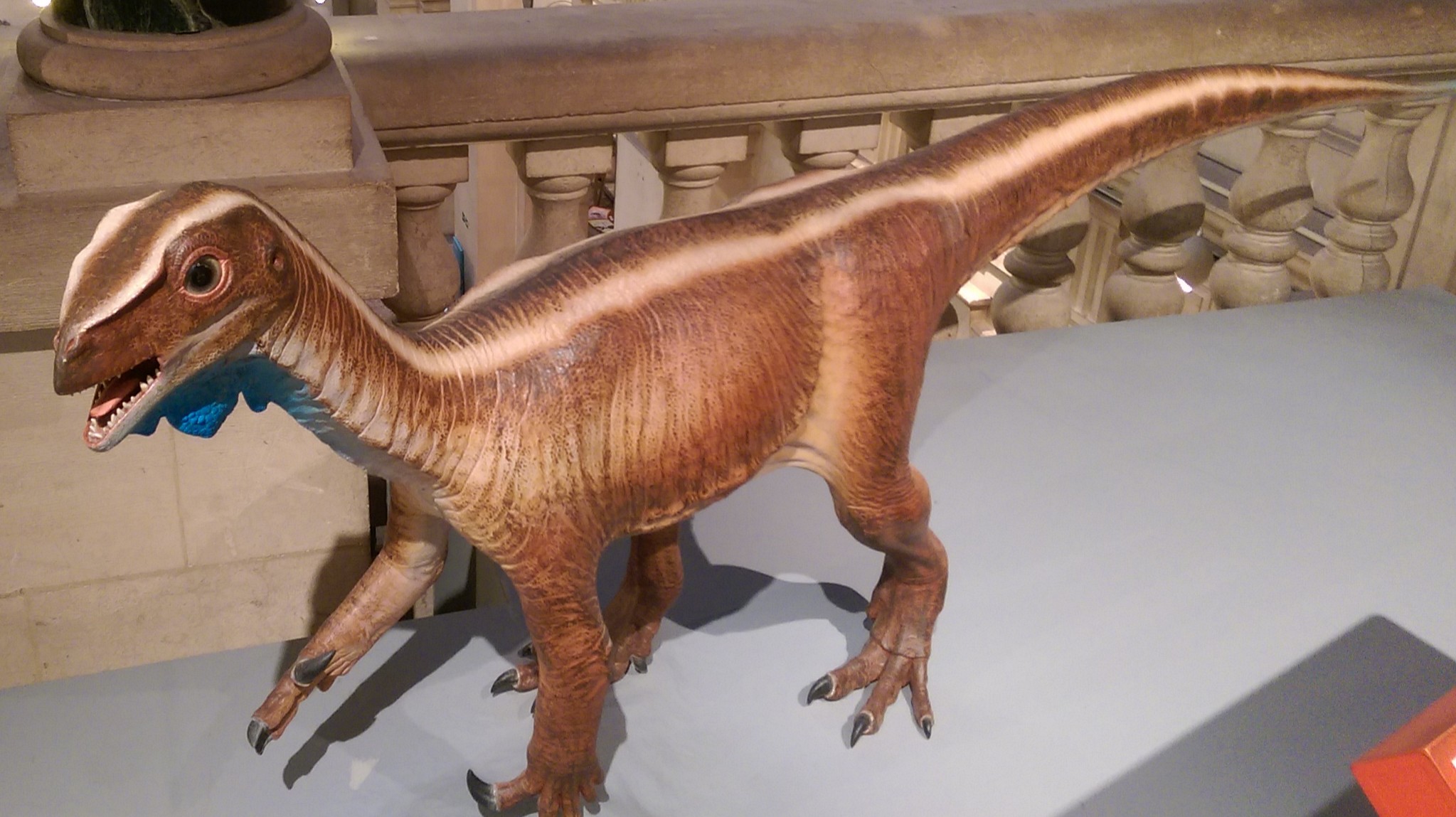
The Triassic dinosaur Thecodontosaurus antiquus holds the distinction of being Bristol’s designated dinosaur. This bipedal herbivorous species was named in 1836 following its discovery at Durdham Down in Bristol. It serves as the official mascot for The Bristol Dinosaur Project, which conducts palaeontology workshops with children in schools. The model of Thecodontosaurus displayed at Bristol Museum and Art Gallery was created by palaeoartist Bob Nicholls.
Thanks for venturing into the Mesozoic with me—see you next edition!
Stay Up to Date with The Palaeo Minute Social Media Channels
Instagram: instagram.com/thepalaeominute/
Past Newsletter Editions: The Palaeo Vault: Newsletter Archive
References

