
Venture into the Lost World…One Minute at a Time

A warm welcome to The Palaeo Minute!
Crests, Calls & Cretaceous Kinships: This issue explores hadrosaur life beyond the bones. Dive into how these Cretaceous giants communicated, raised their young, and thrived together in mixed herds across the prehistoric world. I hope you enjoy the fascinating palaeontology content and discoveries in this edition.
This edition explores:
- Meet the Hadrosaur Family: The Saurolophinae (non-crested) vs. Lambeosaurinae (crested) hadrosaurs.
- How Hadrosaurs Communicated: Their social calls, signals & nesting behaviours.
- Herd Life Revealed: The fossil evidence proving hadrosaurs thrived in social groups.
- Dinosaur Parenting: Why hadrosaurs were devoted caregivers to their young.
Did you know?
Hadrosaurs thrived in mixed herds, with Edmontosaurus and Pachyrhinosaurus roaming and feeding side by side. Their strength in numbers meant built-in protection, their best defence against lurking predators.
Hadrosaur Success
Hadrosaurs (duck-billed dinosaurs) are undoubtedly one of the most intriguing groups of dinosaurs that roamed the Earth between 88-66 million years ago during the Late Cretaceous period. There are two groups of hadrosaurs the saurolophine and lambeosaurine hadrosaurs. Hadrosaurs are a group of ornithopod dinosaurs (a clade of ornithischian dinosaurs).
Ornithopods appeared 125 million years ago and hadrosaurs radiated and diversified out of this group 88-66 million years ago. Hundreds of fossil specimens of hadrosaurs have been recovered across the globe from Europe to Asia, North America to South America and specimens have even found in Antarctica!
These quadrupedal herbivorous dinosaurs dominated Late Cretaceous environments with high speciation rates, with their highly advanced dental batteries providing a wealth of dentary specialisation when feeding, enabling hadrosaurs to slice through vegetative plant matter with ease. There are over 75 species of hadrosaur that we know of, and new species of these dinosaurs are being discovered every year.

I have always found hadrosaurs fascinating dinosaurs not only because of the number of species but because of their large sizes and their social herding behaviour. The thought of hundreds to even thousands of these dinosaurs living in one herd at a time is a truly captivating thought.
You think of wildebeest migrations across the Serengeti in Africa and what those are like to see today but hadrosaur migrations would have been a whole other level, a hadrosaur migration would be grander in scale and much nosier!

Hadrosaurs thrived across diverse environments, but what made them such efficient herbivores? Their jaw evolution holds the key to their dominance. Let’s explore this now.
Hadrosaur Jaw Evolution
Intensive palaeontological research over the years has examined hadrosaur jaw specialisation and macroevolution to learn why hadrosaurs were so successful. I examined hadrosaur jaw disparity for my 2021 master’s thesis, a project I thoroughly enjoyed undertaking. Below you can see a slideshow of my research highlights.
MSc thesis. 
Ornithopod phylogenetic cladogram displaying 25 viable hadrosaur specimens of the study through geological time back to the Iguanodontids (Figure 1). 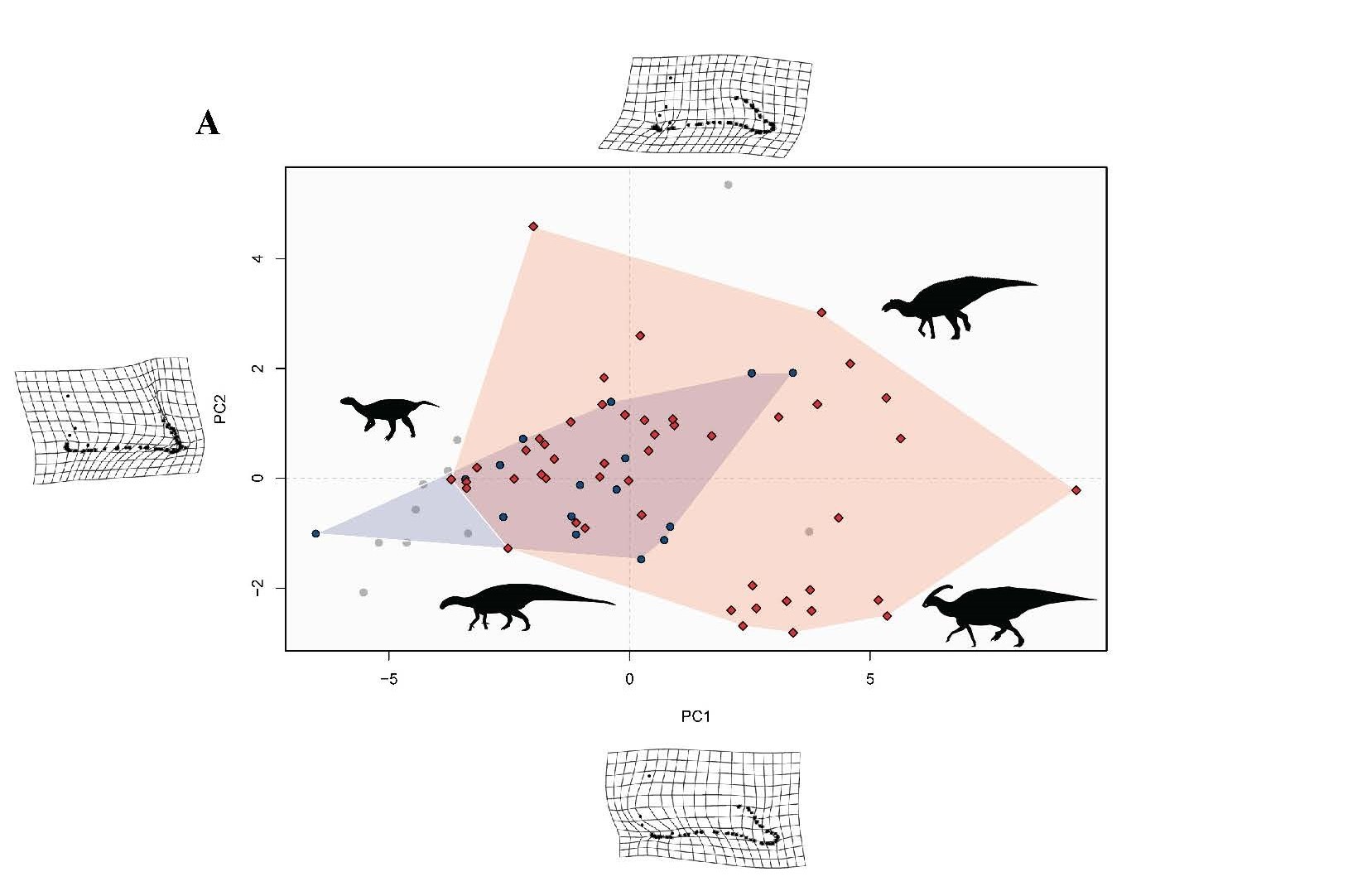
Principal component analysis (PCA) with 2D geometric morphometrics of the lower jaws of 74 hadrosaur taxa aligning to PC1 and PC2 (Figure 4). 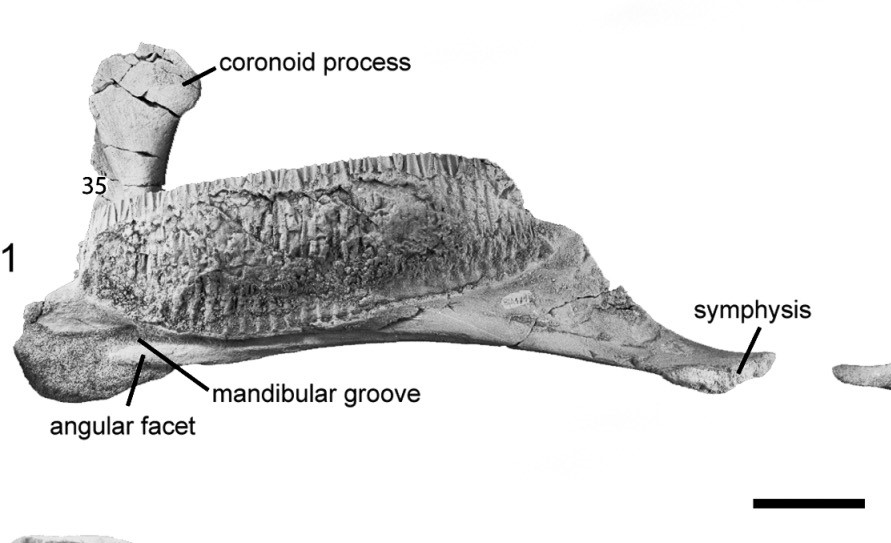
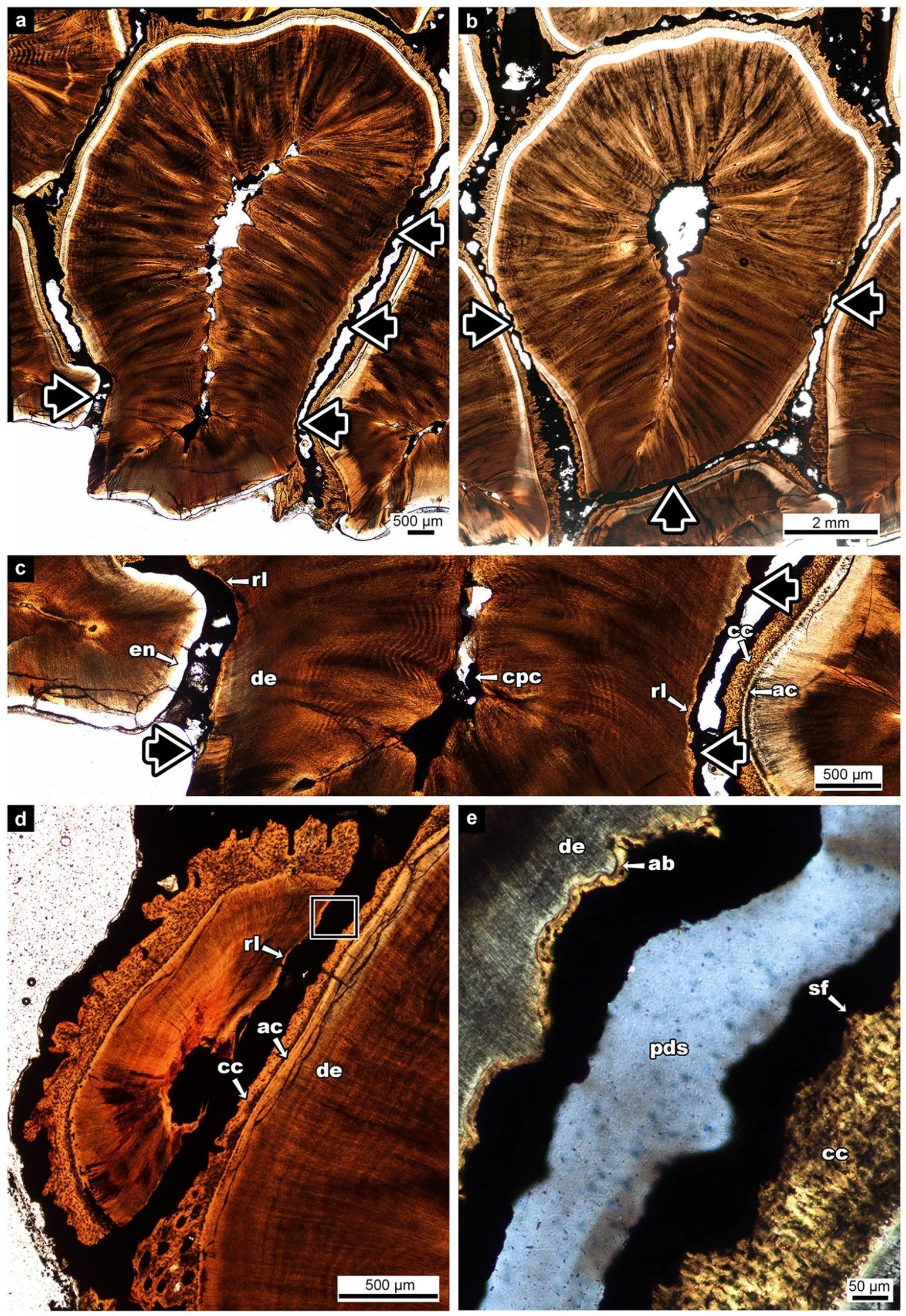
One of the lower dentary’s measured in the project from the lambeosaurine hadrosaurid Blasisaurus canudoi (MPZ 99/665). Scale bar is 5cm. Image credit: Caballero et al. 2010. 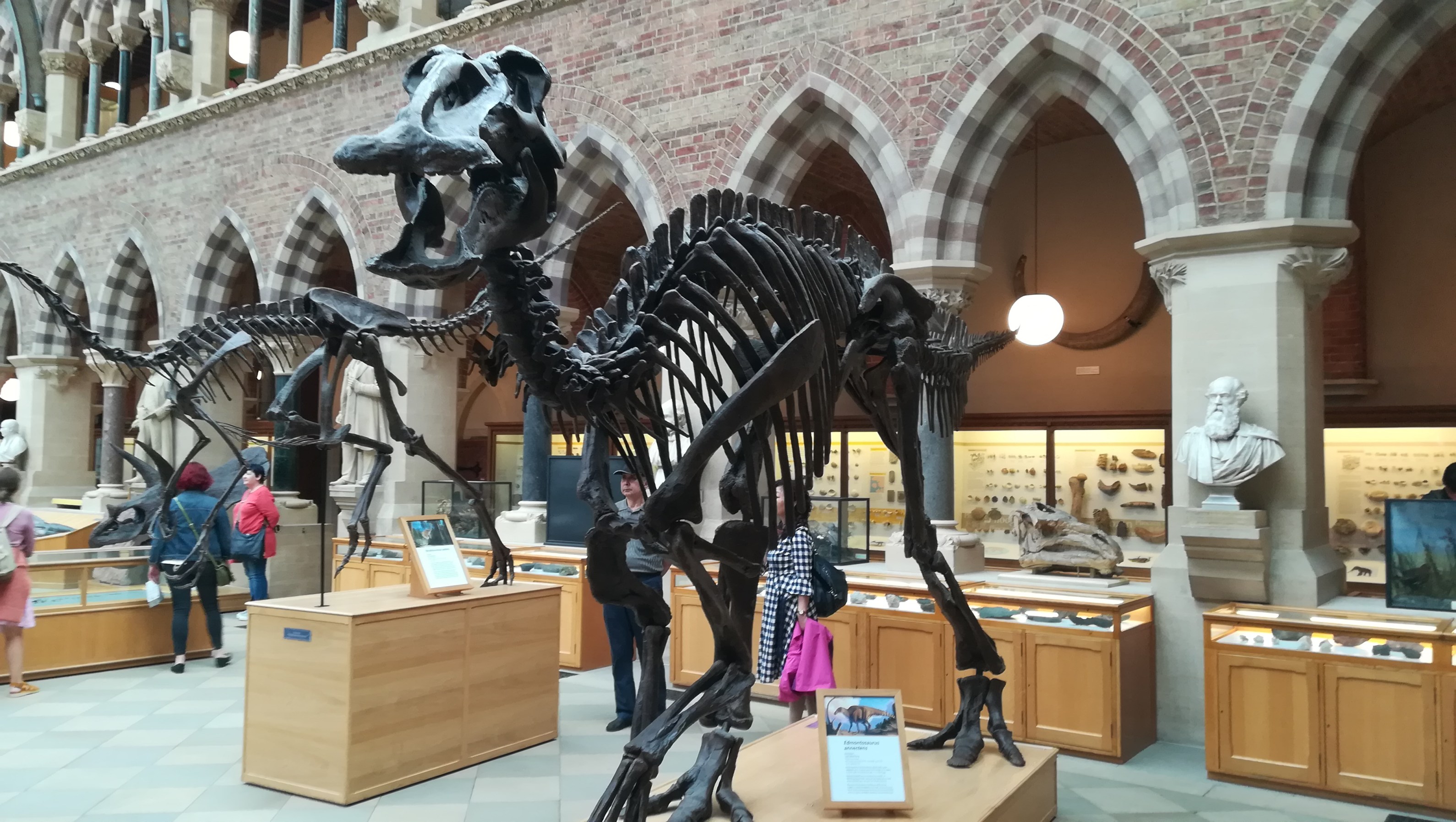
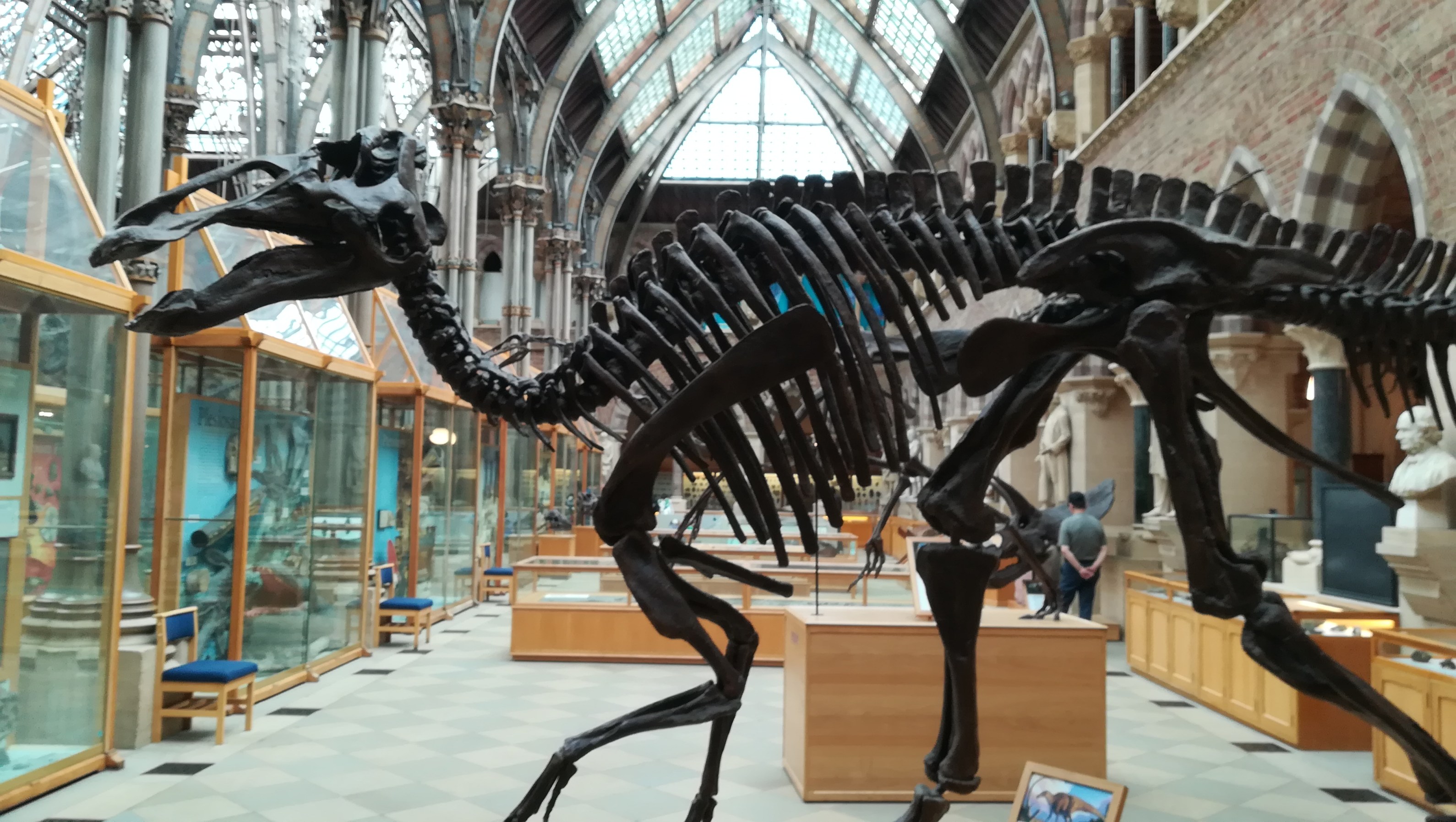
Edmontosaurus annectens cast at Oxford Museum of Natural History. Edmontosaurus was one of the species used in the thesis project.
Hadrosaurs were grazers conquering their own ecological niches and they used their advanced dental batteries which were filled with over 500 teeth in each jaw ramus, with only a certain number of teeth being used at one time.
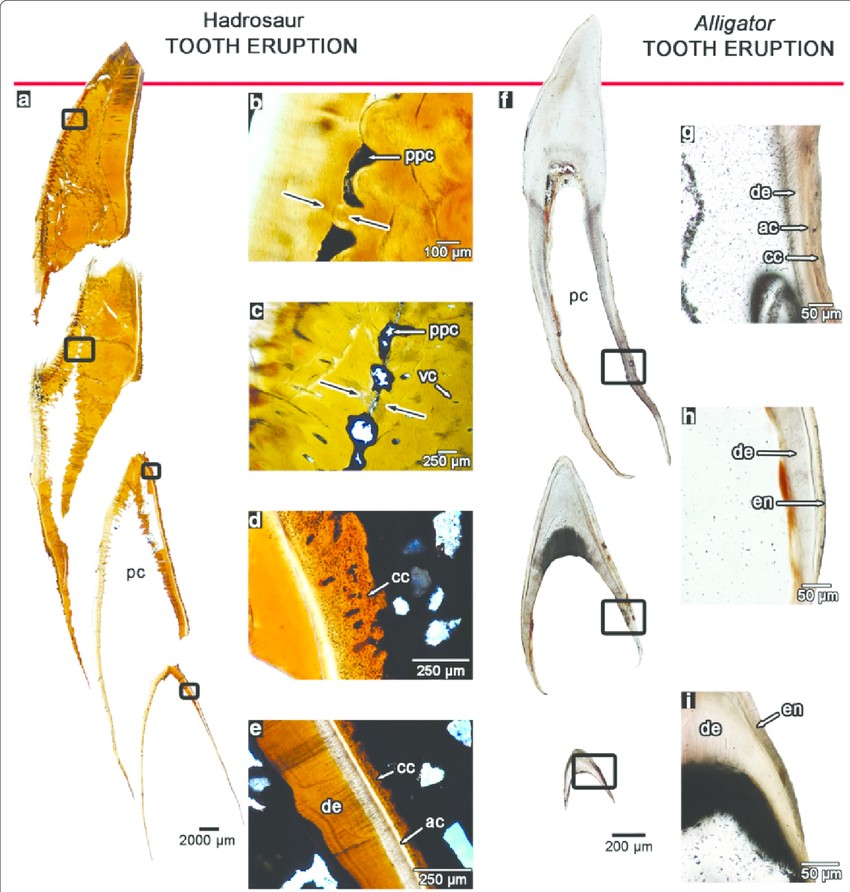
Tooth migration within hadrosaur jaws has shown that older teeth were reabsorbed by newer teeth (Bramble et al. 2017). This wear and tear of dentine within the jaw helped these dinosaurs more over time as the teeth became abraded, ensuring hadrosaurs could feed more efficiently.
Beyond their remarkable dental adaptations, hadrosaurs developed sophisticated ways to interact. Their ability to communicate played a crucial role in their survival and social structure.
Hadrosaur Social Communication
We know hadrosaurs were great social communicators and were exceptionally good parents. There is a significant amount of evidence for all of this from the fossil record, which means we have something that is testable and verifiable.
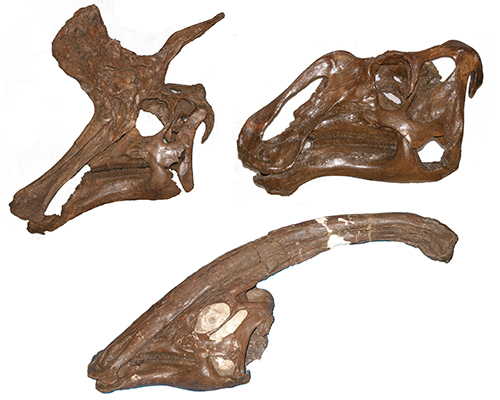
Research has examined both saurolophine and lambeosaurine hadrosaurs and their ability to vocalise and communicate. The lambeosaurine hadrosaurs have hollow cranial crests that were connected to their nares, enabling these dinosaurs to use their crests as a resonating chamber. Dinosaurs like Parasaurolophus walkeri, Parasaurolophus cyrtocristatus, Lambeosaurus lambei, and Olorotitan arharensis are all lambeosaurine hadrosaurs.
It is believed these dinosaurs used their crests to bellow and communicate over long distances to not only share warnings, but to find each other, migrate and mate.
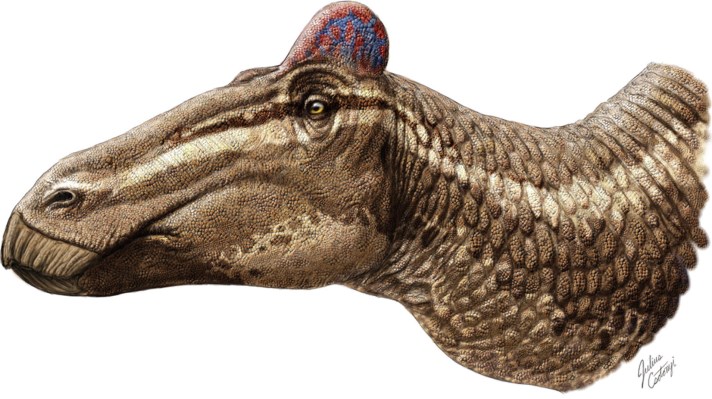
Whilst saurolophine hadrosaurs lacked such cranial ornamentation in 2014 palaeontologists made an incredible research discovery, showing the first fleshy display feature in a dinosaur. A mummified specimen of Edmontosaurus regalis was found to have displayed a fleshy comb on its head, theorised to be a potential social or sexual selection feature (Bell et al. 2014).
The mummified specimen of the dinosaur (UALVP 53722) suggested Edmontosaurus was a visual dinosaur. This mummified comb was a first for soft tissue signalling structures within a dinosaur, especially a saurolophine hadrosaur, providing evidence for Edmontosaurus using a display feature.
Hadrosaurs did not just vocalize to stay connected, they also demonstrated strong parental instincts. Their nesting behaviour provides compelling evidence of their commitment to raising the next generation.
Nesting Behaviour and Migratory Pathways
Based on the fossil evidence from nesting sites and migratory pathways we know that hadrosaurs migrated annually together and lived in mixed herds. They were very social creatures, moving together in large groups and they took their time to nurture their young.
Hadrosaurs The Great Dinosaur Parents
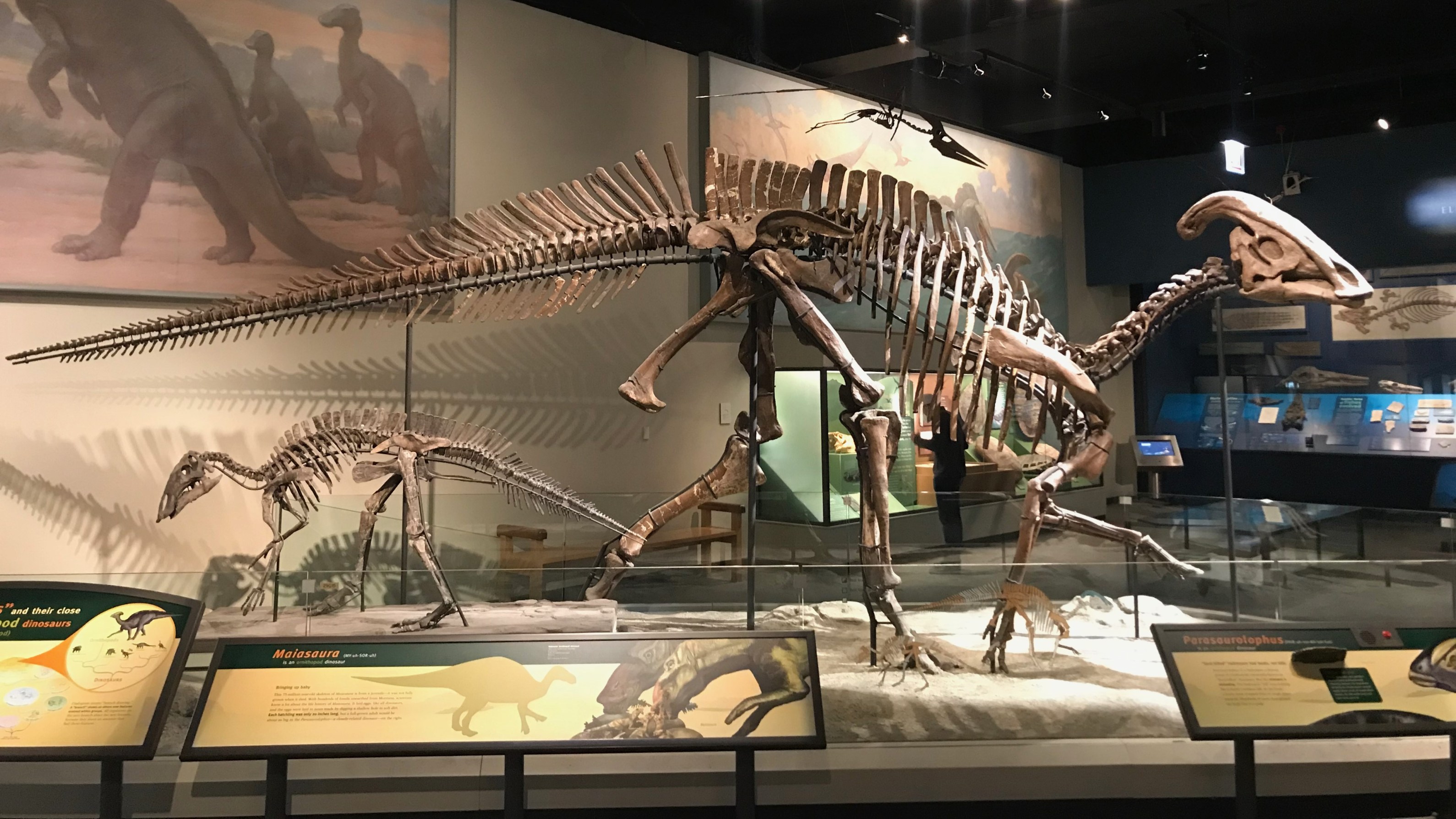
Parental care has been identified from hadrosaur fossil nesting colonies globally, with the remains of Maiasaura peeblesorum being identified in the Two Medicine Formation in Montana, providing evidence for post-nestling juveniles (Horner and Makela, 1979).
This research found fifteen juvenile Maiasaura specimens all the same size jumbled together in a green mudstone deposit. The skeletons of these dinosaurs showed that they were active outside the nest and the wear of the juvenile dental batteries suggested feeding for an extended period. These findings strongly imply that Maiasaura parents provided sustained care, supplying food until their offspring were capable of independent survival.
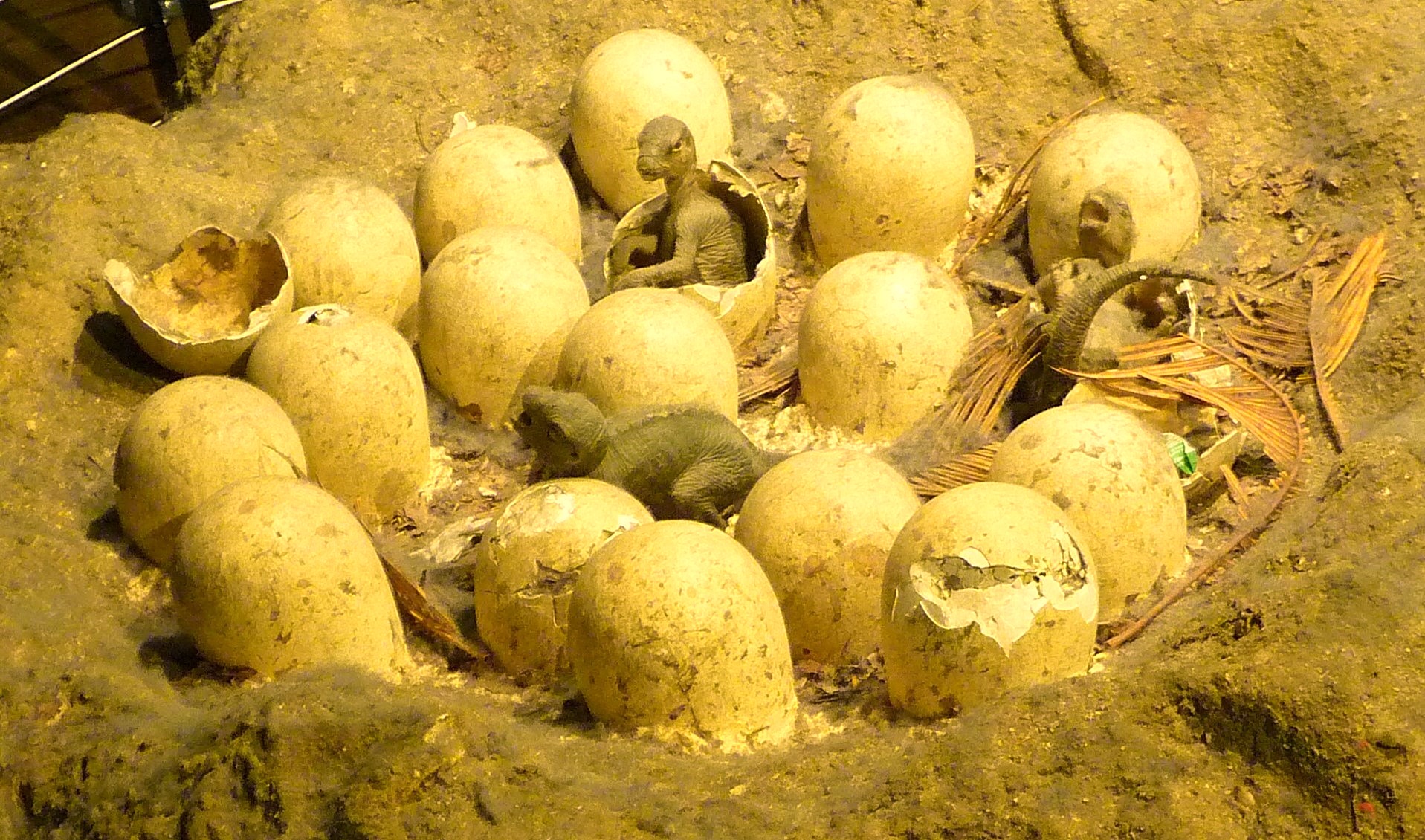
Montana is not the only locality to provide evidence for nesting behaviour. Palaeontologists have identified nesting sites of hadrosaur young at The Horseshoe Canyon Formation in Alberta Canada providing further evidence of parental care (Ryan et al. 1998). This site was the first occurrence of juvenile hadrosaurid dinosaurs within the Horseshoe Canyon Formation and the youngest geological occurrence of juvenile dinosaurs recovered in Canada.
Colonially nesting sites have been found close to water sources, with hadrosaurs being found to be living within the flood plains of the Western Interior Seaway. The Western Interior Seaway was an inland sea which separated the continent of North America in two across 34 million years from the Late Cretaceous 100 million years ago until the early Palaeocene, 66 million years ago. Trace fossil evidence of hadrosaur footprints suggests hadrosaurs used migratory pathways, shown in major distributions.

By migrating together, nurturing their young, and maintaining complex social structures, hadrosaurs secured their place as one of the most successful dinosaur groups of the Late Cretaceous.
Hadrosaur Global Dominance
In summary we know hadrosaurs were successful dinosaurs that radiated throughout Late Cretaceous environments. There are a number of factors which led to their success from high speciation rates and their advanced dental batteries to their social communication and signalling abilities.
The presence of large, cohesive herds would have allowed hadrosaurs to respond rapidly to threats, enabling swift coordinated movement in the face of danger. Whilst baby and young juvenile hadrosaurs were vulnerable to attack from smaller predators, the numbers of young and parental care from the adults alongside mixed herds would have ensured many would have survived on into adulthood.
Altogether, the fossil record paints a vivid picture of hadrosaurs as complex, socially intelligent animals whose survival strategies included both vocal communication and communal parenting. Their success to stay and migrate together alongside nurturing their young for extended periods ensured hadrosaur herds stayed together as a unit, providing significant protection from medium to large theropods.
Next up: At the Feet of the Dinosaurs!

I hope you have enjoyed reading this newsletter and learning in detail about hadrosaur social and nesting behaviour. Check out the palaeontology fact of the month and The Palaeo Minute social media channels to keep up to date with the latest from The Palaeo Minute.
Don’t miss the next edition of The Palaeo Minute below, where I delve into the microvertebrate fauna of Vallis Vale, a rich Late Triassic fossil site. It is one prehistoric conversation you will not want to miss!
Palaeontology Fact of the Month
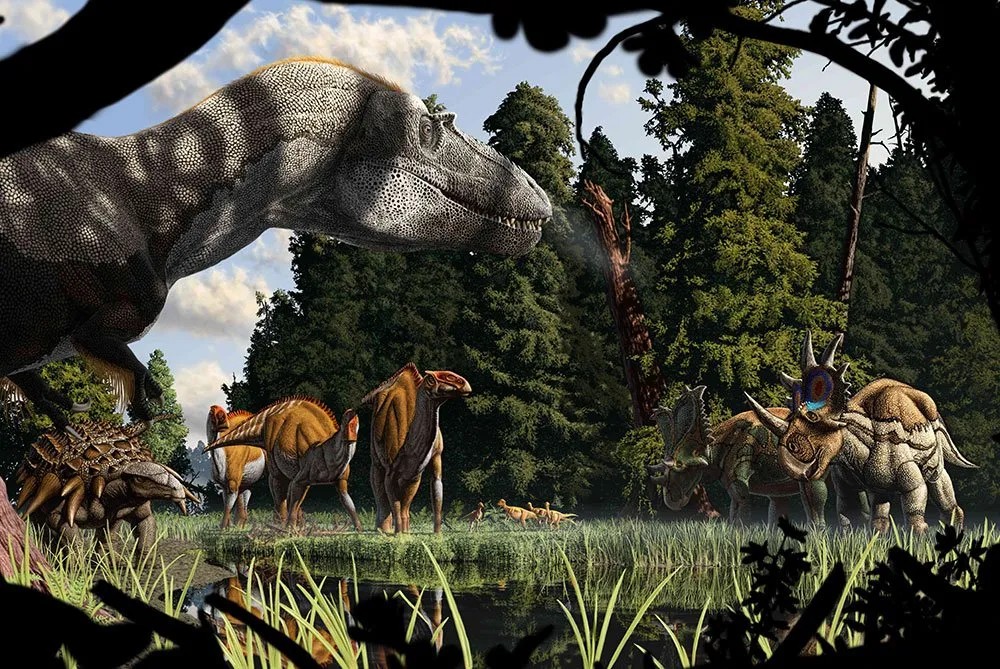
Research has investigated the ecological morphospace of hadrosaurs, ceratopsians and ankylosaurids to better understand their food resource relationships (niche partitioning). Findings indicate that hadrosaurids capitalised on their size, feeding at heights of up to five meters, granting access to a diverse range of vegetation unavailable to other herbivorous dinosaurs (Mallon, 2019).
Thanks for venturing into the Mesozoic with me—see you next edition!
Stay Up to Date with The Palaeo Minute Social Media Channels
Instagram: instagram.com/thepalaeominute/
Past Newsletter Editions: The Palaeo Vault: Newsletter Archive
References
Header image is Edmontosaurus from Prehistoric Planet Season 1. Image credit: Apple TV +., 2025.

