Venture into the Lost World…One Minute at a Time

A warm welcome to The Palaeo Minute!
Welcome to this second bonus edition of The Palaeo Minute. In this edition, I wanted to share how I would approach writing a new Jurassic World sequel, and why I believe the franchise would receive help from having a palaeontologist directly involved in the script writing process.
This bonus edition explores:
- A New Opening: Explore how a sequel could begin with scientific mystery rather than the usual early‑film disaster.
- Dinosaurs as Animals: Discover how natural behaviour, interspecies interactions, & sequences from the novels could improve a sequel film.
- Scientists Who Shine: Discover why palaeontologists & researchers deserve to be written as capable, charismatic figures again.
- A Fresh Direction: Learn how rooting the story in real science can restore awe, tension, & authenticity to the Jurassic World franchise.
Did you know?
That the Jurassic World franchise is worth $6.8 billion, making it one of the highest grossing franchises ever.
It is no secret that I did not enjoy Jurassic World: Rebirth. After my first (and only) full viewing, I left the cinema disappointed and frustrated. To me the film sits far apart from the rest of the franchise, something I would rather not revisit too often. But looking beyond Rebirth, the bigger question is: where should the franchise go next, and what should it focus on?
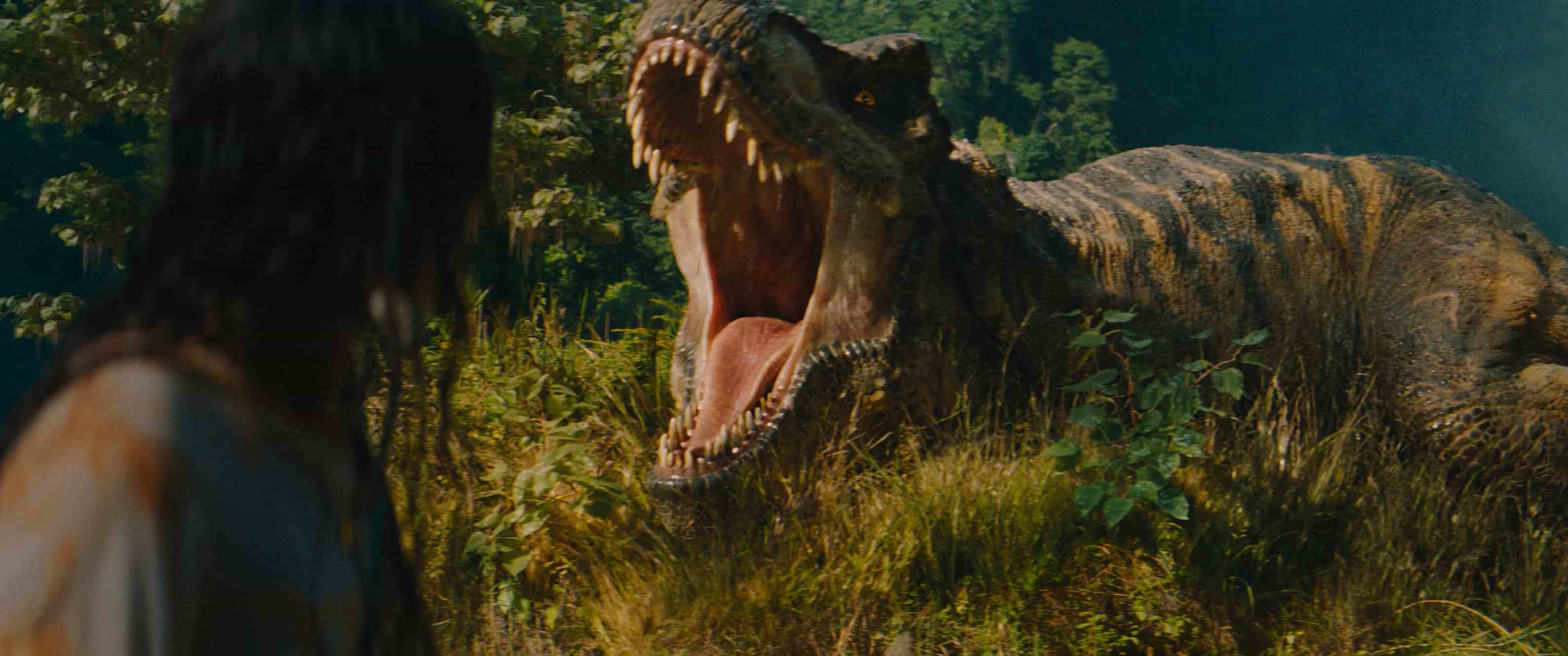
As a palaeontologist, I think it is worth imagining how the films could evolve if natural history and scientific authenticity were woven into the very fabric of the script, not just the creature design.
The Jurassic franchise has always leaned on palaeontological consultancy, from dinosaur anatomy and movement to behaviour and design. Yet this expertise has rarely extended into the storytelling itself. That is where I would like to step in, to show how a passion for natural history and realistic science could become a true throughline in a future sequel.
Move Away from the “Accident at the Start” Formula
One of the most predictable tropes in the series is the opening dinosaur incident, a worker eaten, a tourist attacked, chaos unleashed. If I were writing the next sequel, I would abandon this formula entirely.
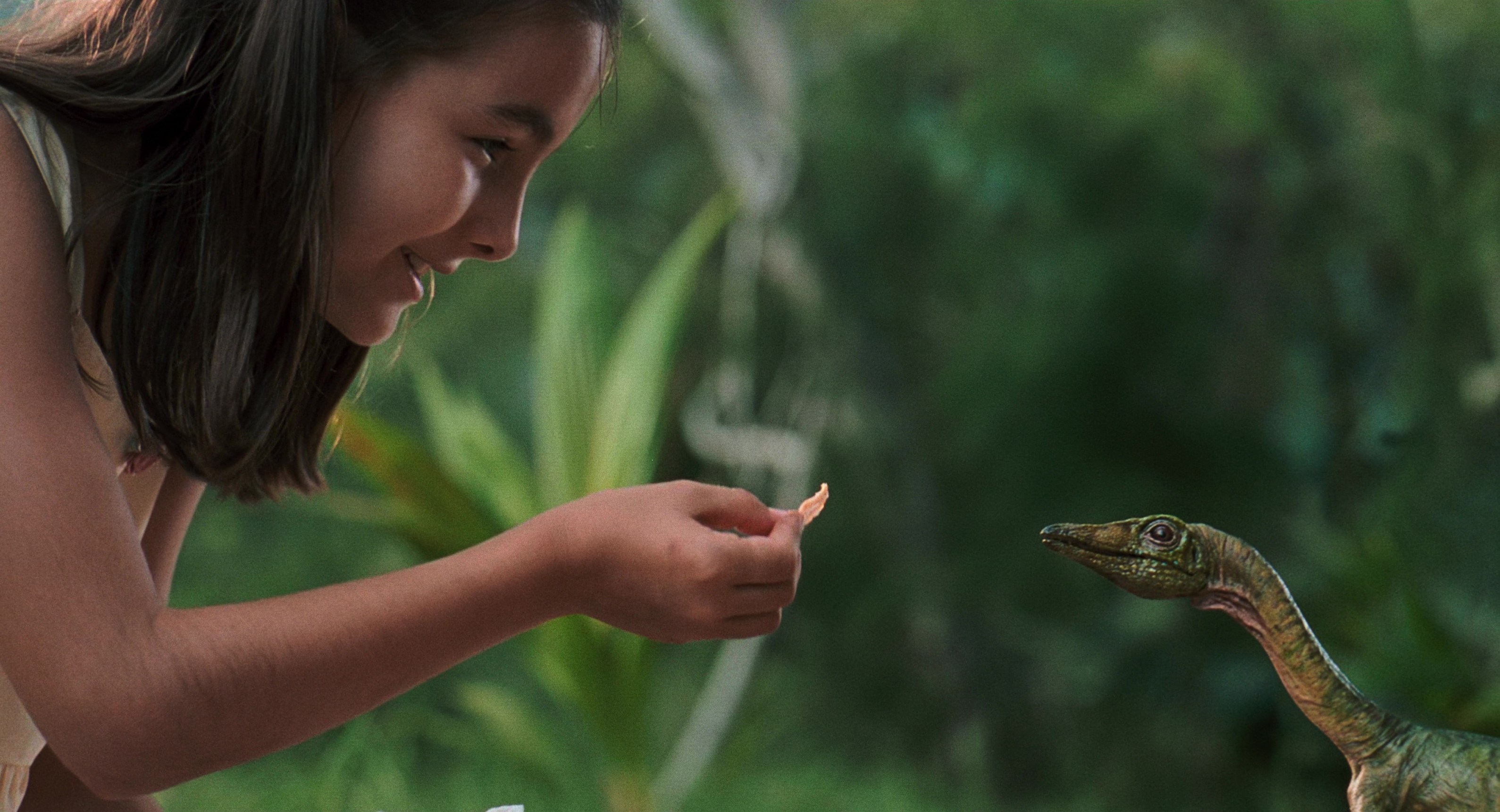
Instead, I would begin with science. Imagine researchers in the field, collecting a saliva sample from a Allosaurus recent kill, then analysing it back at camp. The focus would be on questions:
- Why are certain species showing accelerated growth rates?
- Are genetic defects preventing them from adapting to new climates?
- How can conservationists and wildlife agencies protect these animals as they struggle to survive?
This approach would ground the story in discovery and research, while still leaving room for tension and wonder. For me, one of the biggest let-downs of Rebirth was the absence of meaningful science. A sequel should restore that sense of inquiry.
Bring the Novels to Life and Expand Dinosaur Behaviour
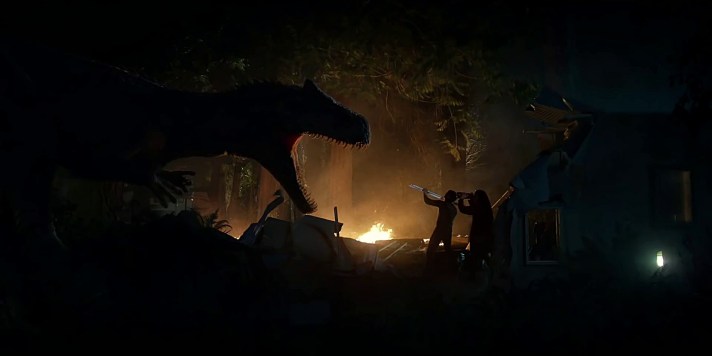
Fans of Michael Crichton’s novels have long wanted to see certain iconic scenes adapted: the Tyrannosaurus hunting hadrosaurs in Jurassic Park, or the camouflaging Carnotaurus pair from The Lost World. Shockingly, these moments have never made it to screen. Equally important is showing dinosaurs interacting with one another in natural ways. Too often, the films have kept them isolated:
- Jurassic World confined them to enclosures.
- Jurassic World: Fallen Kingdom placed them under duress from the volcanic eruption and capture.
- Jurassic World: Dominion restricted them to Biosyn’s controlled sanctuary.
- Jurassic World: Rebirth again limited them to a sparse island setting with little interspecies interaction.
I would change this. Picture herds of Edmontosaurus or Stegosaurus breaking through fences to graze on farmland. Young herbivores playing at their parents’ feet. Predators stalking prey in tense, naturalistic sequences.
Showing display behaviour would also restore some uniqueness and majesty to these animals. The Titanosaurs in Jurassic World: Rebirth briefly showed mating behaviour, but the sequence was undermined by their sudden emergence from the tall grass and by a population size far too large for Île Saint-Hubert to realistically support.

Well‑crafted moments would restore the awe and majesty of dinosaurs as living animals, not just set pieces for action, and highlight the uneasy overlap between human and dinosaur populations in ways that feel believable, awe‑inspiring, and entertaining.
Make Palaeontologists and Scientists Competent Again
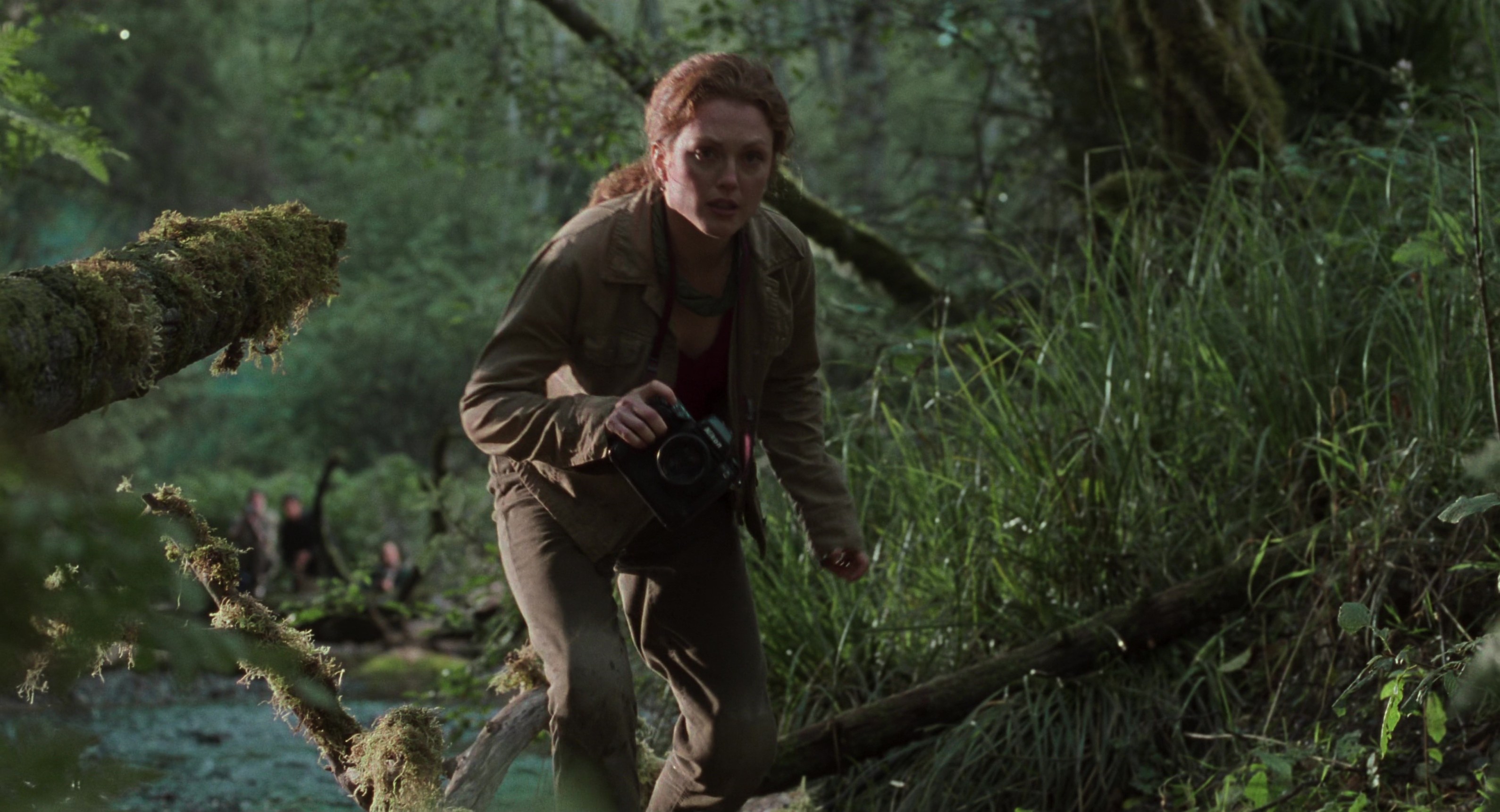
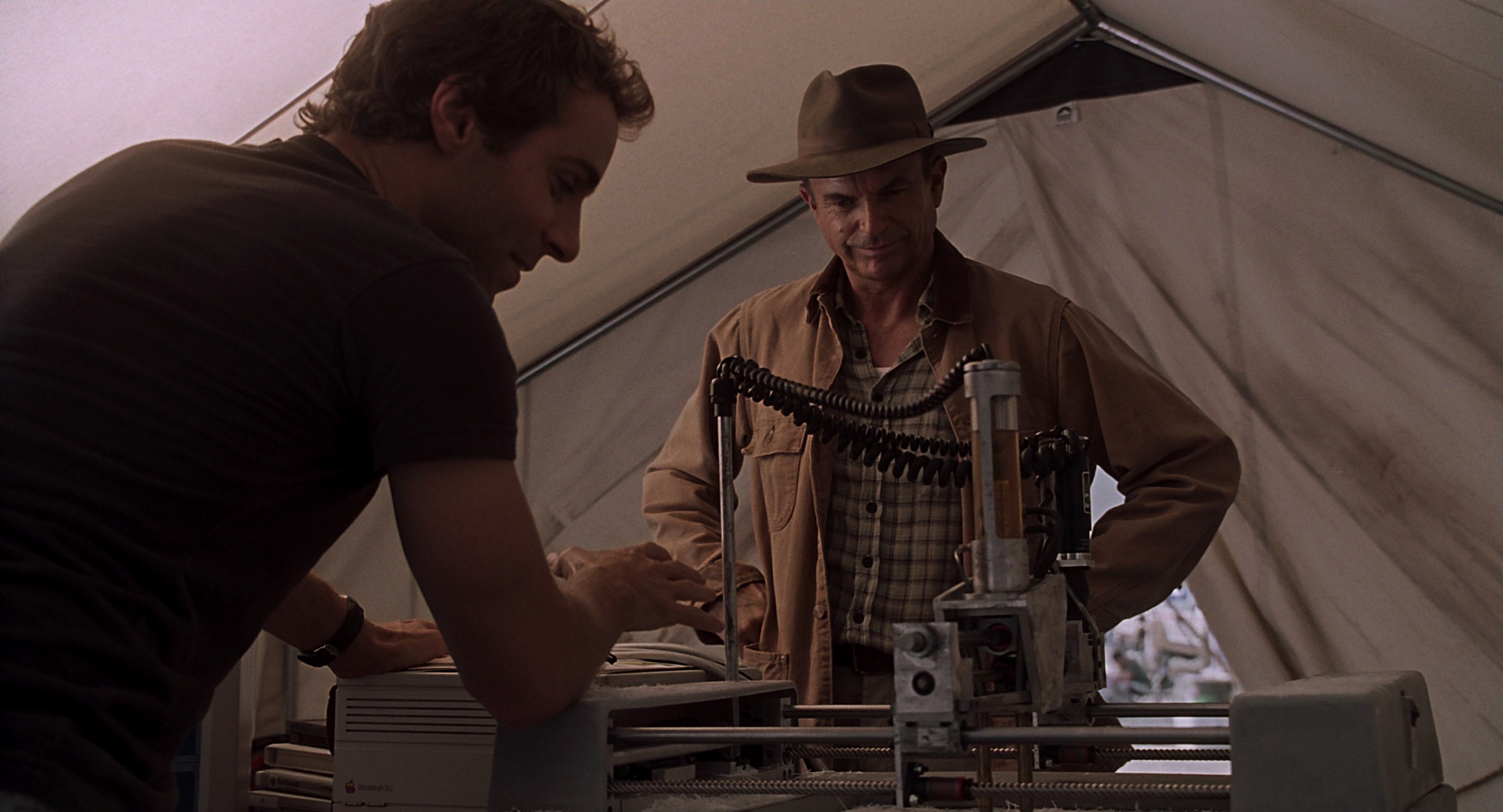
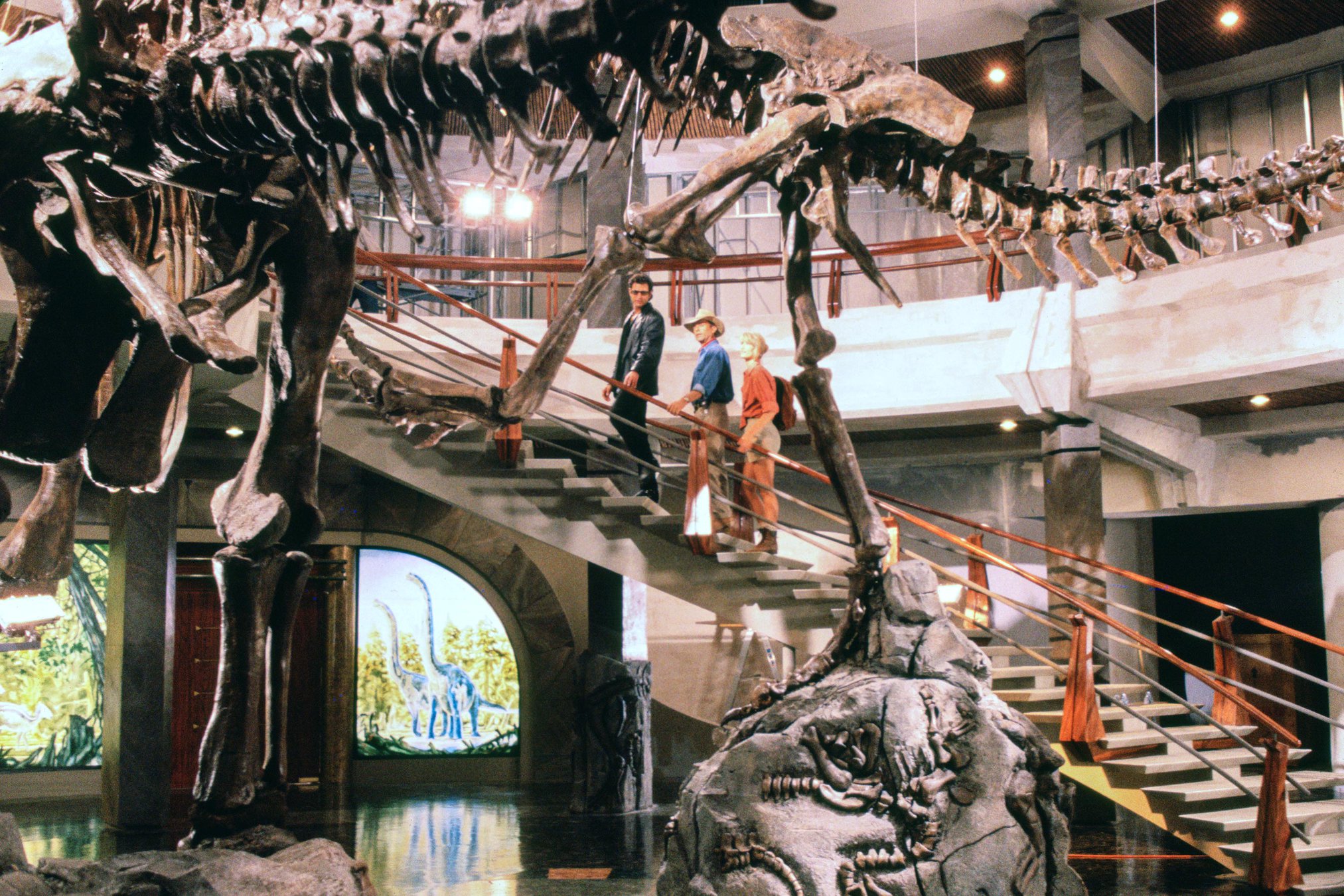
There have only been a few truly competent scientists in the Jurassic Park franchise, mainly the original trio: Dr. Alan Grant, Dr. Ellie Sattler, and Dr. Ian Malcolm. Dr. Henry Wu has been an interesting presence, although not always portrayed as particularly capable. Sarah Harding in The Lost World was a disappointment and often contradicted her own expertise, while Zia Rodriguez in Fallen Kingdom had potential but was never given enough to do.
Dr. Henry Loomis in Jurassic World: Rebirth was, for me, one of the weakest scientific characters the series has produced. As a palaeontologist, he not only got basic dinosaur facts wrong but also failed to use his knowledge of behaviour, anatomy, or ecology to help the group he was with.
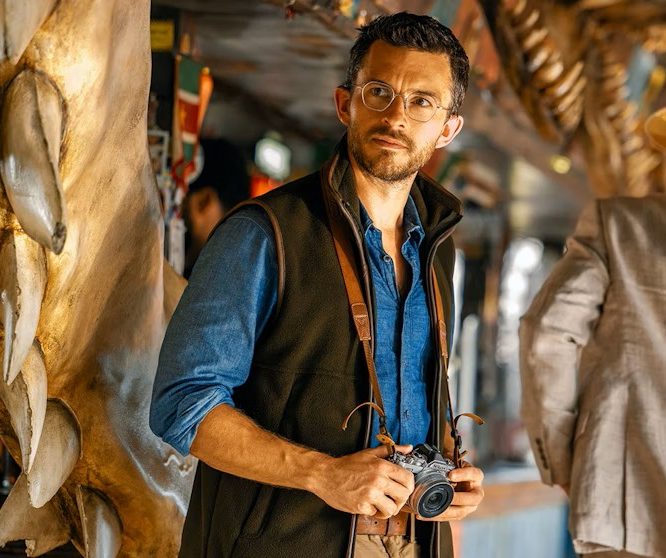
In my version of a sequel, palaeontologists and scientists would be both charismatic and genuinely competent, relying on real science and conducting proper studies to answer meaningful questions.
The Jurassic franchise still has countless scientific mysteries left unexplored, and it is a shame the films have not taken advantage of them.
Closing Thoughts
A scientifically grounded Jurassic World sequel does not mean sacrificing spectacle. Quite the opposite, by rooting the story in research, natural history, and authentic behaviour, the dinosaurs become more compelling than ever.
The franchise has always been about the clash between science, nature, and human ambition. By letting palaeontology guide not just the creature design but the script itself, the films could rediscover the sense of scientific wonder that made Jurassic Park unforgettable.
I hope you have found this bonus newsletter insightful. The Jurassic World franchise is at a genuine crossroads within palaeo media. While Jurassic World: Rebirth was a mixed bag for many and not the direction I personally hoped for, the future of the series still holds real potential for improvement.
Don’t miss the paid edition of The Palaeo Minute below, as I explore how tyrannosaurs became formidable feeders, tracing the adaptations of their skull architecture and bite mechanics. It is one prehistoric conversation you will not want to miss!
Thanks for venturing into the Jurassic franchise with me—see you next edition!
Stay Up to Date with The Palaeo Minute Social Media Channels
X: https://x.com/ThePalaeoMinute
Instagram: instagram.com/thepalaeominute/
Past Newsletter Editions: The Palaeo Vault: Newsletter Archive
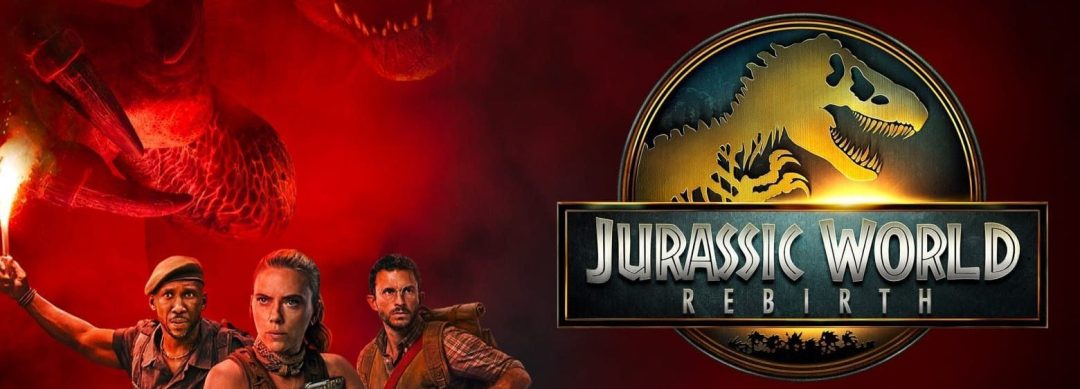
Header image is Jurassic World: Rebirth banner. Image credit: Universal Pictures, 2025.

