Venture into the Lost World…One Minute at a Time

A warm welcome to The Palaeo Minute!
Welcome to this third bonus edition of The Palaeo Minute. In this edition, I wanted to share my three core principles in science communication, how to grow, sustain and stand out in the world of science outreach.
This bonus edition explores:
- Develop a Growth Strategy: Get the lowdown on how to create a growth strategy that will enable your project to flourish.
- Use Your Skills Wisely: Discover how to pace your workload & make it manageable.
- Connect with Science Communicators: Uncover how connections can lead to new points of view & project refinement.
Did you know?
Building my science website has been a real blend of learning and trial‑and‑error. Rearranging pages, shifting content, and continually refining my writing have all helped shape a more polished and professional science‑communication platform.
This feature offers a behind-the-scenes look at the journey and the lessons I wish I had when starting out.
How to Grow, Sustain, and Stand Out in the World of Science Outreach
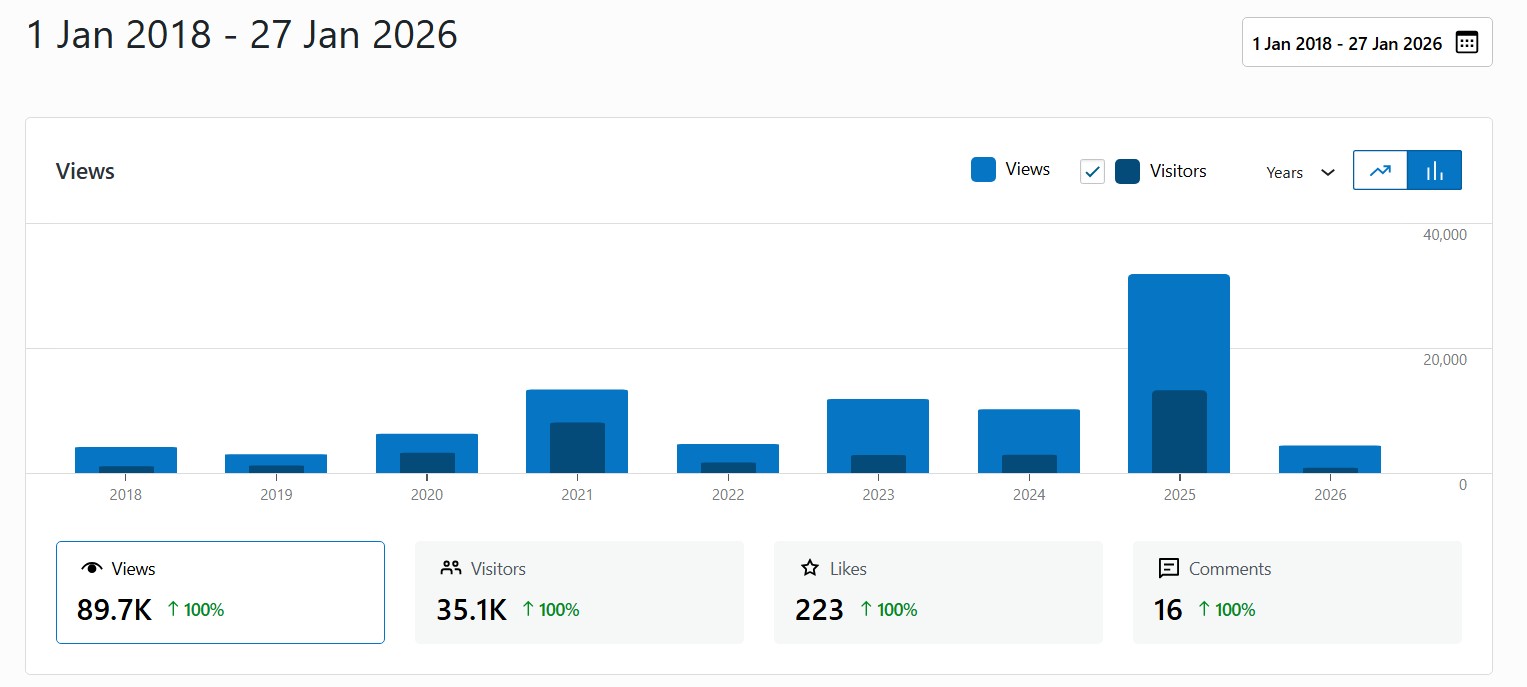
Growing a science communication platform from a humble blog into a globally viewed consultancy website with more than 100,000 visitors is no small feat. It requires relentless writing, editing, formatting, and revising, along with the invisible work that shapes the reader experience: buttons, layouts, internal links, image placement, and overall design.
As my expertise in palaeontology has deepened, so has my understanding of how to communicate it. I spend a lot of time thinking about the services and work clients want. I also spend a lot of time thinking about how the general public can engage with my website better. Not only engaging more with my palaeontology background, but with deep time itself. The goal is to help people uncover the geological stories written in bone, from long extinct dinosaurs and pterosaurs to marine reptiles.
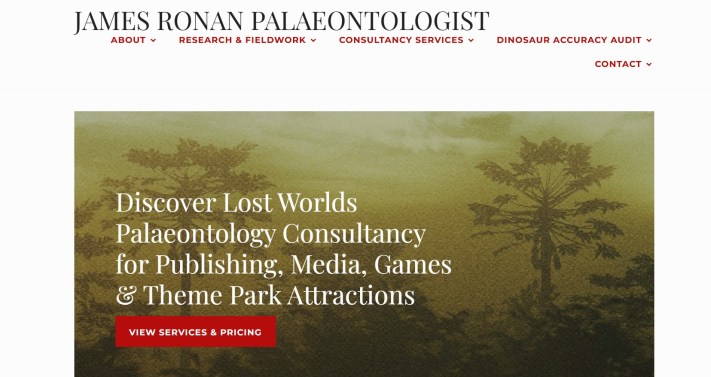
My platform has become a space where the public can explore palaeontology in an accessible and engaging way. Now I want to share three core principles that helped me build it and that can guide you in creating your own. Whether your passion lies in Earth Science, palaeontology, or any other field, these insights will help you engage the public in a meaningful and sustainable way.
These principles shaped every stage of my platform’s growth, and they can save you years of trial and error.
Develop a Growth Strategy Early
Choosing a format such as a blog, YouTube channel, or podcast is only the beginning. The real challenge is envisioning how your platform will grow.
Your strategy does not need to be formal at first. Even a simple mental roadmap of your goals, audience, and content style can be powerful. Writing it down, however, helps you track milestones and measure progress. Over time I have shifted from detailed planning to a more intuitive approach, reserving structured strategy for consultancy work. In the early stages though goal setting was essential.
Take The Palaeo Minute newsletter as an example. It was always a long‑term objective, but I knew the website needed to reach a certain level of refinement before introducing it. That did not mean pausing updates or design improvements; quite the opposite. It simply clarified the standard the site needed to meet before a newsletter could become a meaningful extension of my science outreach.
Tip: Set monthly or quarterly goals. They keep you motivated and give your platform direction.
Pace Yourself and Use Your Skills Strategically
One of the most common pitfalls in science communication is trying to do too much, too soon. Ambition is valuable, but without structure it can lead to burnout or stalled projects. Science communication is a marathon. Sustainable pacing matters.
My platform began as a simple blog. Over time it evolved into a palaeontology hub that showcases consultancy work, fieldwork, research, and public engagement. This transformation took years of refining, reorganising, and reimagining how content should be displayed. Pages were moved, new sections created, and formats adjusted. It was a natural and ongoing process.
Key advice: Break your project into manageable phases. Define what success looks like monthly and yearly. For example, when planning The Palaeo Minute in 2024, I intentionally reduced the newsletter count to ensure it aligned with my timeline and the release of Jurassic World: Rebirth. Eventually, I decided to break newsletters up as I had far too much content that could be covered in separate editions.
Connect with Other Communicators and Experts
No one builds a platform alone. Reaching out to fellow palaeontologists and science communicators can offer invaluable insights. These conversations help you refine your niche, avoid common mistakes, and discover new ways to engage your audience.
It is tempting to mimic what others are doing, but true impact comes from originality. Your platform should reflect your unique perspective and passion for Earth Science.
You are not just building a website or channel. You are cultivating a space for curiosity, learning, and connection. My own journey has been one of consistent development, experimentation, and discovery. The 100,000 visitors did not arrive overnight. They came because I created something educational, engaging, and distinctly mine.
Originality is not only a creative choice. It is your competitive edge.
Final Thoughts
These principles continue to guide my own work every day. If you have an idea for a science communication project, pursue it. You will not know its potential until you try. Even if it does not take off, you will gain experience, insight, and the satisfaction of having given it your best. Start small, stay curious, and build something that reflects your voice. The world needs more passionate science storytellers.
I hope you have found this bonus newsletter insightful. Communicating science no matter the format requires a genuine passion for creating meaningful content. Whether putting together a PowerPoint presentation, writing a script for a talk, filming a YouTube video or crafting a blog post.
Transforming an idea into something tangible takes thoughtful planning and continual refinement. My three core principles are designed to support that process, and I hope they prove useful not only for your science outreach projects but for any day‑to‑day creative endeavours as well.
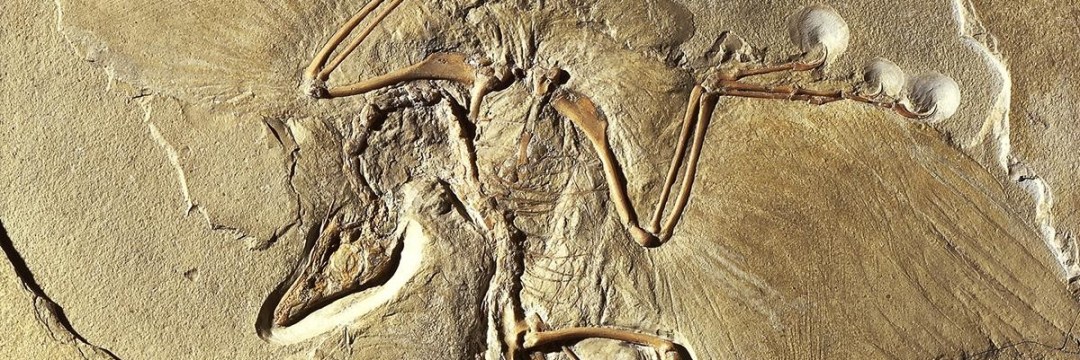
Don’t miss this paid edition of The Palaeo Minute below, as I explore feathered dinosaurs and how feathers evolved within the dinosaur lineage. It is one prehistoric conversation you will not want to miss!
Thanks for venturing into science outreach with me—see you next edition!
Stay Up to Date with The Palaeo Minute Social Media Channels
X: https://x.com/ThePalaeoMinute
Instagram: instagram.com/thepalaeominute/
Past Newsletter Editions: The Palaeo Vault: Newsletter Archive