
Did you know?
Unlike the Velociraptors depicted in Jurassic Park, the real Velociraptor mongoliensis was fully feathered and measured between 5 and 6.8 feet in length, roughly the size of a turkey.
This page explores the cultural, scientific, and personal legacy of the Jurassic Park franchise and its influence on my work in palaeontology.
Box Office Titan: The Jurassic Phenomenon
Jurassic Park was not just a box office success, but a cultural milestone transforming how the world viewed dinosaurs. Through pioneering CGI, practical effects, and a strong scientific foundation, the film ignited a global fascination with palaeontology. Inspiring generations to explore dinosaurs and learn more about science. The franchise remains a family favourite, with a growing global fanbase year after year.
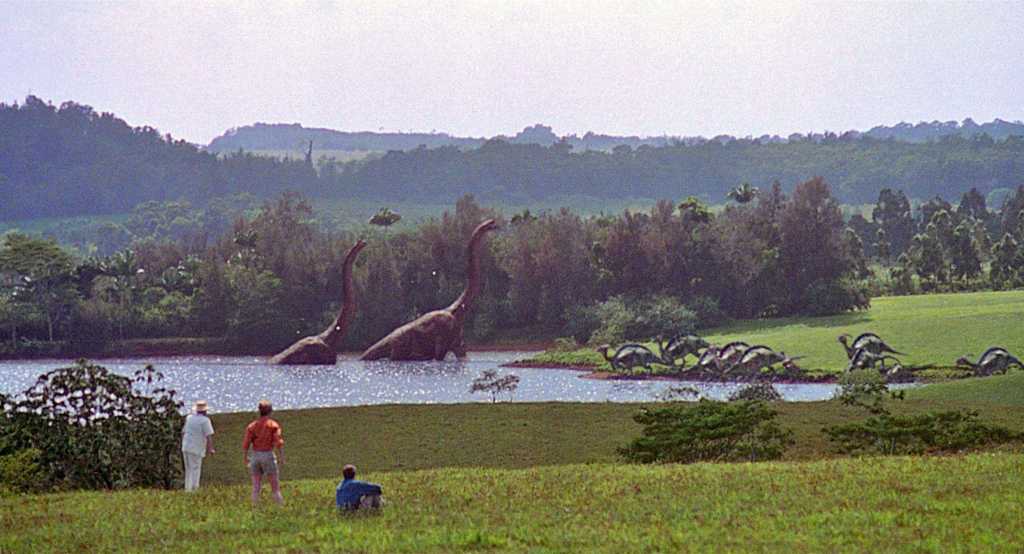
Jurassic Park had a budget of $63 million and made $978 million in its initial box office run back in 1993. This made it the highest grossing film up until that time. With later reissues over the years Jurassic Park has made $1.058 billion at the global box office.
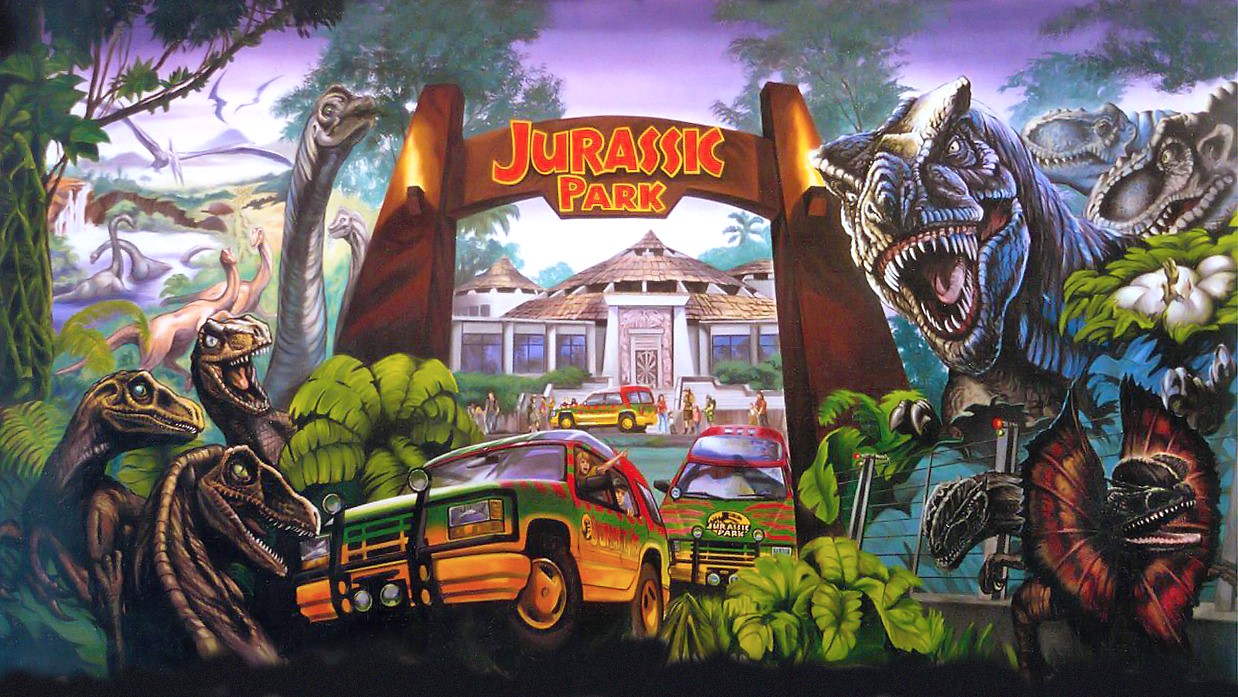
The Jurassic Park franchise has flourished into a $9.79 billion phenomenon. Captivating audiences across generations and extending influence far beyond cinema. Sparking real-world scientific curiosity and shaping careers.

Jurassic Park did more than revolutionise filmmaking. It inspired audiences to engage with science, visit museums, and learn more about prehistoric life. Its influence continues to resonate across generations.
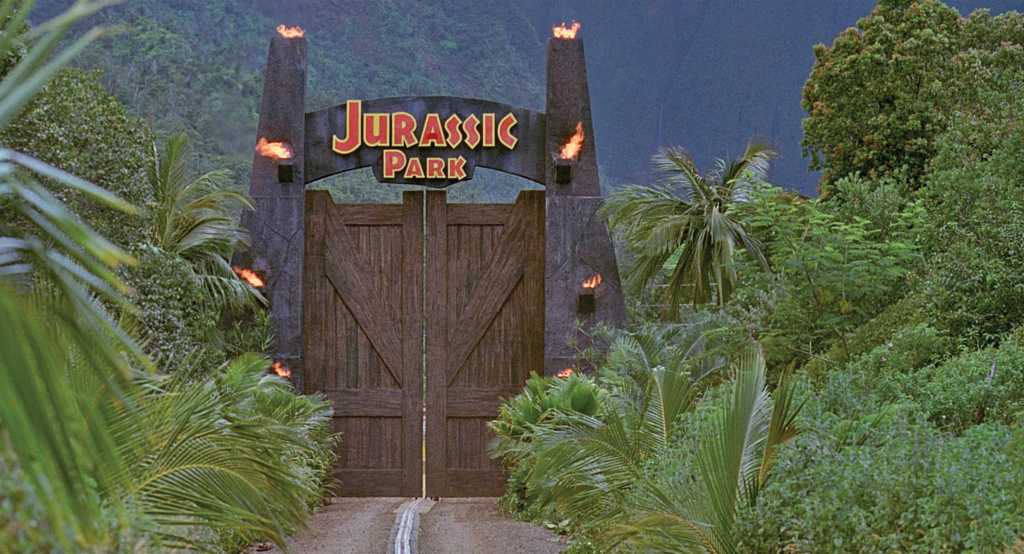
In this discussion, I explore the franchise’s lasting impact. From its cultural significance to its ability to spark meaningful engagement with real science and palaeontology.
The same spectacle that captivated audiences also ignited a new wave of scientific curiosity.
Jurassic Park’s Ripple Effect: Inspiring Future Scientists
Beyond its cinematic achievements, Jurassic Park inspired countless individuals to pursue careers in palaeontology, film, and media. Museum attendance increased, fieldwork opportunities expanded, and public interest in natural history grew.

For many, including myself, the film’s impact was deeply personal. My fascination with Jurassic Park eventually developed into a professional journey that led me into the field of palaeontology.
Below you can view a selection of photos covering my interaction with the Jurassic Park/Jurassic World franchise over the years. From attending Jurassic Park in concert for the film’s 25th anniversary to meeting cast and palaeontologists involved in the film’s development!

Attending Jurassic Park in Concert at the Bristol Hippodrome in 2018. 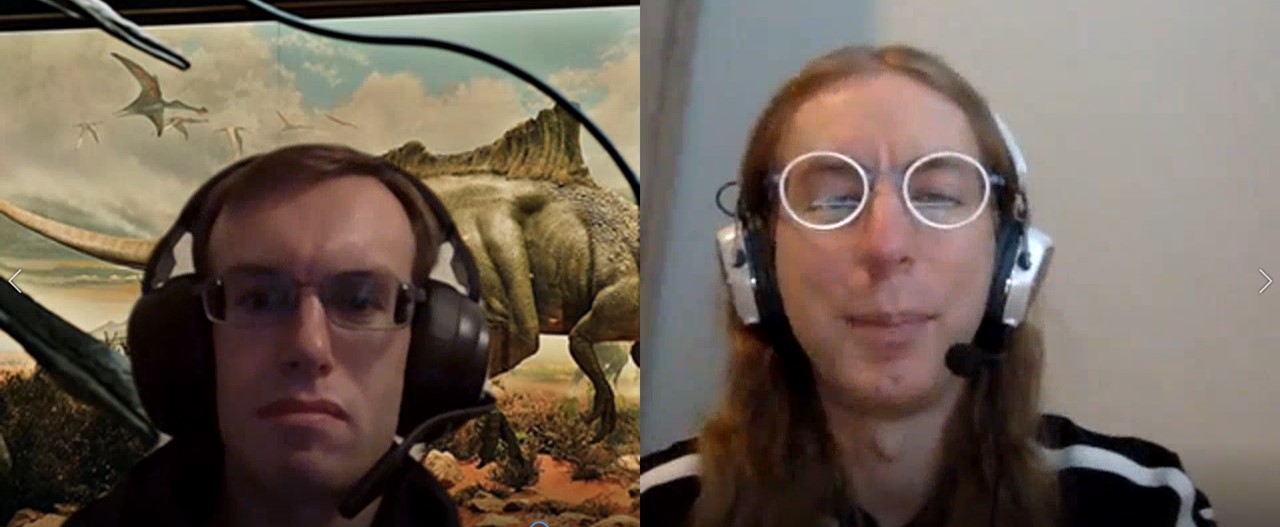
Interviewing Jurassic World cast member Colby Boothman in 2020. 
With Professor Steve Brusatte at his Rise and Fall of the Dinosaurs talk at Cardiff University, April 5th, 2022. 
Attending Jurassic World the Exhibition in 2022. 
At the Jurassic World Exhibition in London in 2022. 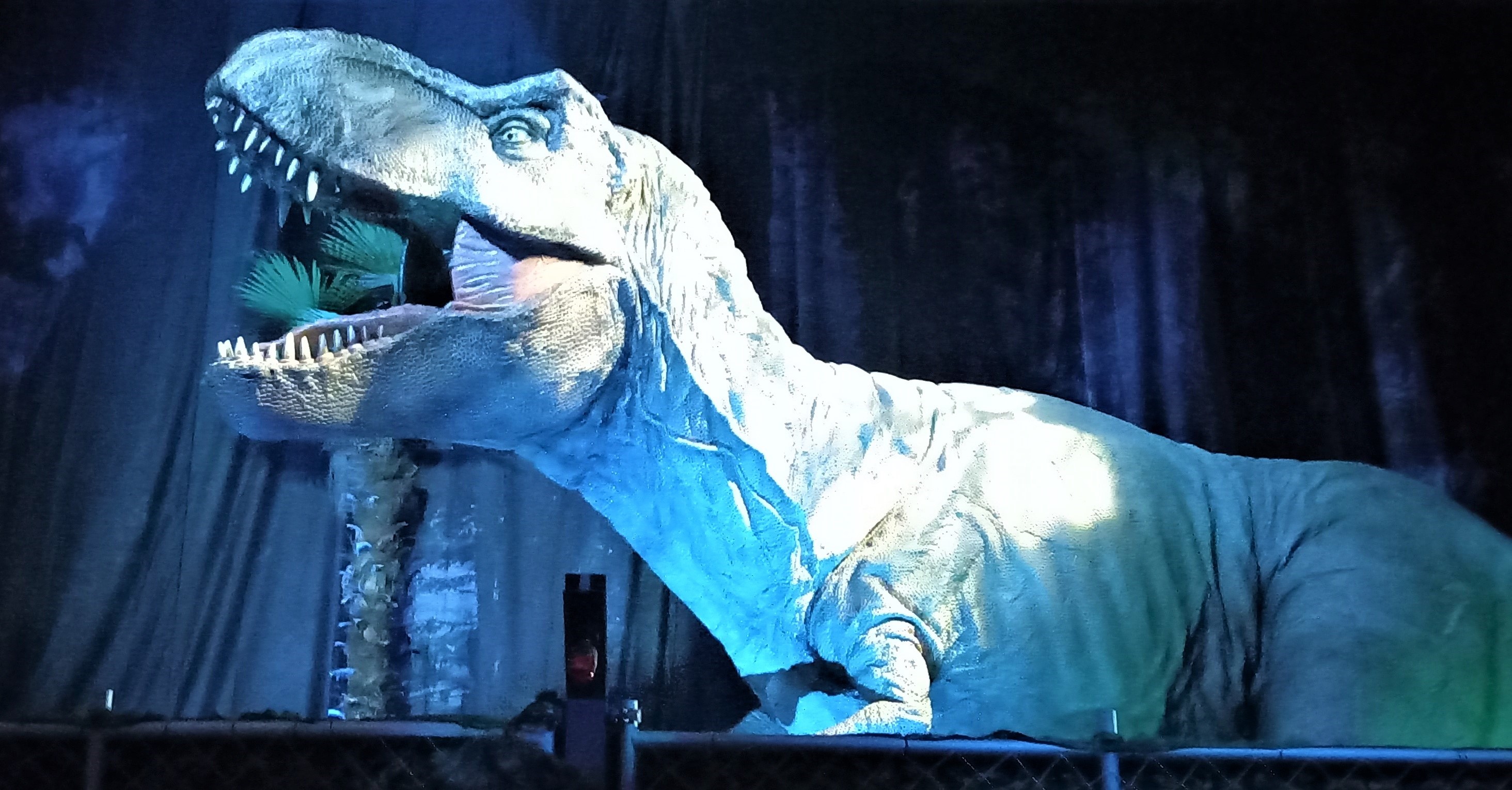
Tyrannosaurus animatronic at the Jurassic World Exhibition in 2022.
Among the countless young fans who found their path through the franchise, I was certainly one of them.
A Fan’s Journey: From Watching to Scientific Discovery
The franchise has played a major role in shaping my own career path. I have followed the franchise closely, from behind‑the‑scenes production of the original trilogy to scientific discoveries reflected in the newer films.

Scientific Evolution in the Jurassic Franchise
The films have explored a wide range of palaeontological topics, including dinosaur intelligence, behaviour, and display structures. Jurassic World: Dominion marked a milestone by introducing fully feathered dinosaurs for the first time in the franchise.
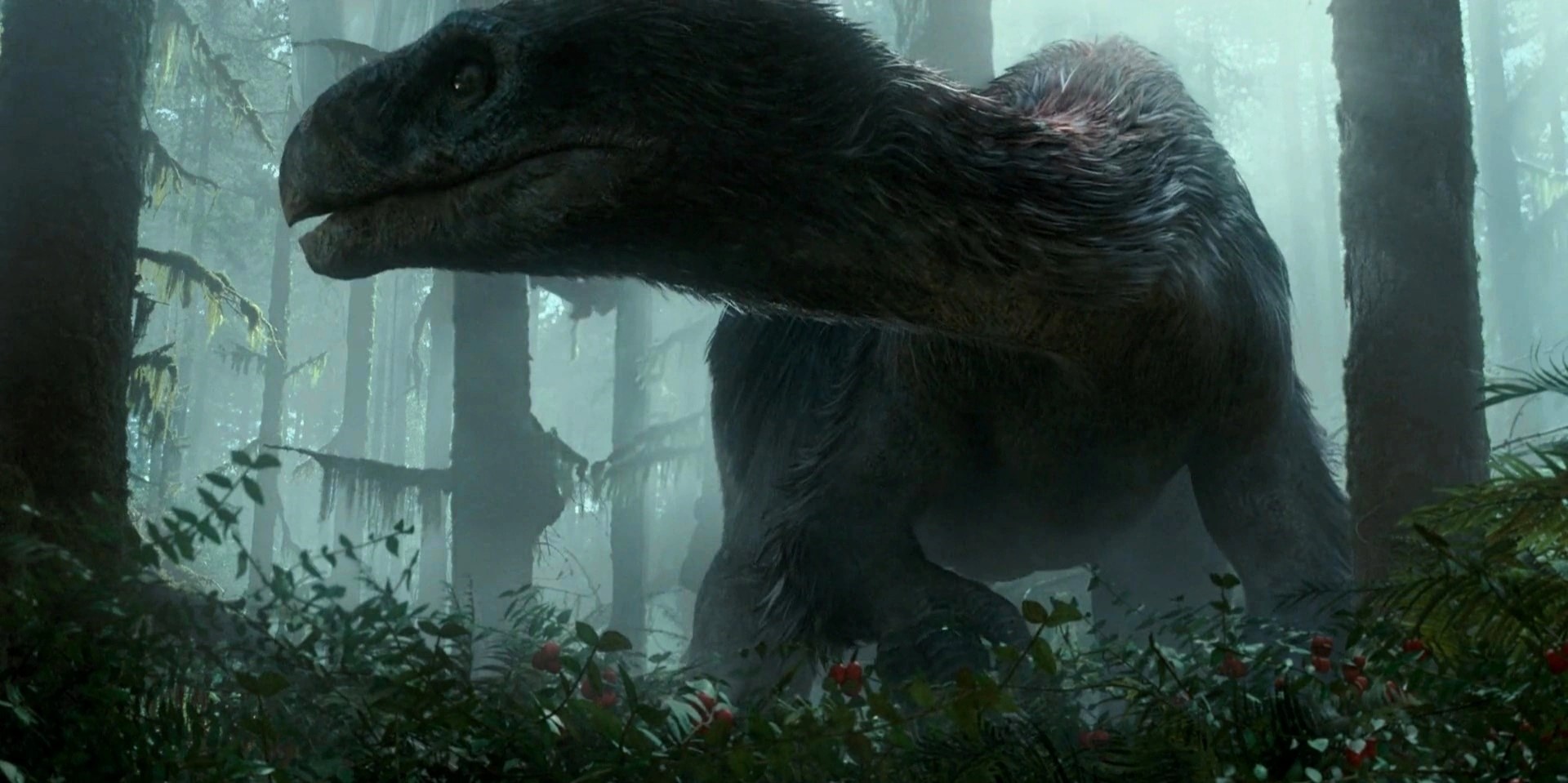
As scientific understanding has evolved, conversations around the film have evolved with it. Fans, scientists, and filmmakers regularly discuss how cinematic storytelling intersects with palaeontological research. The franchise remains a topic of active discussion more than thirty years after its debut.
Beyond fieldwork and conventions, the digital community has become just as important.
Online Engagement: Bridging Fandom and Fossils
My involvement in online discussions has allowed me to help bridge fan enthusiasm with real scientific insight. Through podcasts, YouTube collaborations, and social media conversations, I have contributed to discussions about scientific accuracy, franchise canon, and the portrayal of dinosaurs in the films.
Cast and Crew Interactions
Engaging with the cast, crew, and scientific consultants behind the Jurassic Park and Jurassic World films has provided valuable insight, into how science and storytelling come together. These interactions have deepened my appreciation for the franchise and its long‑lasting cultural impact.
Notable interactions include:
- Sam Neill (Dr. Alan Grant) – Online interaction & in-person meeting.
- Colby Boothman (Leon in Jurassic World) – Online interaction & YouTube interview.
- Colin Trevorrow (Jurassic World & Jurassic World: Dominion director) – Online interaction.
- J.A. Bayona (Jurassic World: Fallen Kingdom director) – Online interaction.
- Jack Horner (palaeontological consultant for the Jurassic Park franchise) – Online interaction & in-person meeting.
- Emily Carmichael (co-writer of Jurassic World: Dominion) – Online interaction.
- Professor Steve Brusatte (palaeontological consultant for Jurassic World: Dominion & Jurassic World: Rebirth) – Online interaction & in-person meeting.
Below you can explore key social media interactions with franchise creatives.
It was unexpected to get a reply from Jurassic World: Fallen Kingdom director JA Bayona in 2018 on X/Twitter, regarding Toby Jones work as Gunner Eversol in Jurassic World: Fallen Kingdom.
On the 21st of January 2020 I set off a whole discussion within the Jurassic World fandom over titles for the upcoming Jurassic World film, eventually titled Jurassic World: Dominion. Jurassic World and Jurassic World: Dominion director Colin Trevorrow even got in on the fun discussions.
The post led to numerous websites covering the film title news and excitement at the time such as Comic Book Movies, Newsweek, The Daily Mail, and the International Business Times to name just a few. Jurassic World director Colin Trevorrow has been good at engaging the online Jurassic fandom during the Jurassic World trilogies development.
Professor Steve Brusatte palaeontological consultant on Jurassic World: Dominion and Jurassic World: Rebirth has responded to quite a lot of my posts in the past. Online conversations on Twitter/X have covered scientific discussions like this one on the 9th June 2021 below.
The June 26, 2023, discussion on palaeontological interpretation in the Jurassic Park Visitor Center and Jurassic World Innovation Center introduced a perspective I hadn’t encountered before making it a fascinating topic to explore.
Engaging with those behind the franchise has deepened my appreciation for its scientific roots. It has also strengthened my commitment to ensuring palaeontology remains accessible to audiences worldwide. Engaging with fans online highlighted just how hungry people were for accurate dinosaur science.
Jurassic Park and Science Outreach
While Jurassic Park brings dinosaurs to life in wonder and awe, the real science behind them is equally captivating. Although Jurassic Park is not a documentary, the franchise has always incorporated scientific ideas to shape its world. Through my outreach work, I highlight where cinematic fiction aligns with palaeontological evidence and where it diverges. This helps audiences understand real discoveries that reshape our understanding of dinosaurs.
In 2020, I teamed up with Jurassic fandom YouTuber Klayton Fioriti to explore palaeontology in Jurassic World: Dominion (2022). Our collaboration sparked engagement in scientific research, reaching over 88,000 viewers and earning 2,400+ likes in active discussion.
You can check out my analysis of the film’s dinosaur depictions in the video below.
How Jurassic World: Dominion Portrays Dinosaurs
Looking back, all these threads; science, fandom, outreach, point to a larger truth about the franchise’s legacy.
Beyond the Films: The Legacy That Endures
Jurassic Park remains a celebrated science‑fiction blockbuster. Three decades on, the franchise continues to evolve and so does the science behind it. Its legacy lives not just in cinema, but in the curiosity it sparks and the discoveries it inspires.

Readers can explore further insights through the Jurassic World 10th Anniversary Hub.
Jurassic World Franchise Insights
Explore exclusive articles celebrating Jurassic World’s 10th anniversary at the page link below.
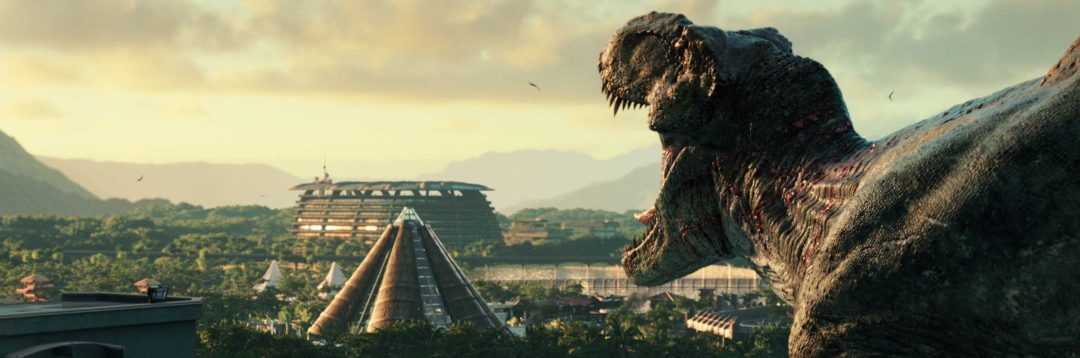
Uncover collaborations with palaeontologists and the Jurassic Park franchise’s impact in The Palaeo Minute Newsletter 9.
Unlock Newsletter 9 at the link.
Click to return to the homepage.

You must be logged in to post a comment.