Did you know?
The Wessex Formation on the Isle of Wight is a hotspot for dinosaur fossils, including spinosaurid teeth and iguanodontian bones.
Below are some of my most significant fieldwork experiences across the UK and USA.
I have developed fieldwork experience in the Judith River Formation in Montana, the Early Cretaceous Wessex Formation of the Isle of Wight, and the Rhaetian of Vallis Vale Frome. Explore each adventure below.

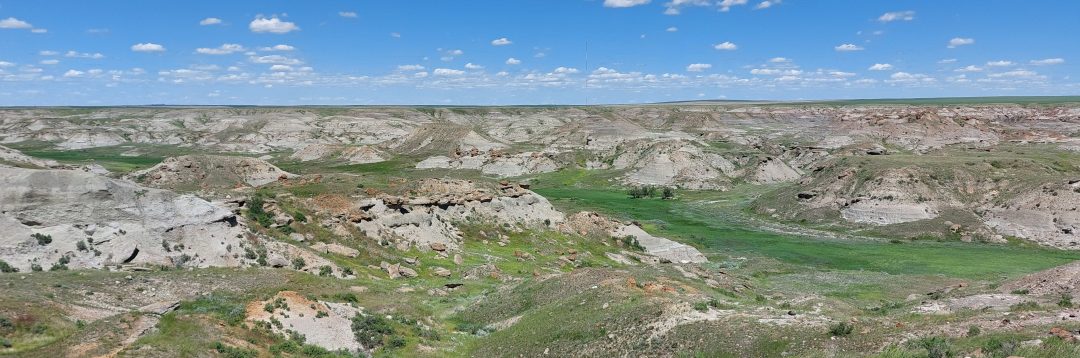
Late Cretaceous Judith River Formation, Montana USA
Badlands Dinosaur Museum, Summer Fieldwork 3rd June-17th June 2024
Supervisors: Dr. Denver Fowler and Dr. Liz Freedman Fowler.
Across the first two weeks of June 2024, I joined the Badlands Dinosaur Museum in Montana to work in the Judith River Formation on their summer dig to excavate two dinosaur bonebed fossil sites. The Judith River Formation covers the Late Cretaceous between 79-75.3 million years ago.
This was my first visit to the Judith River Formation, and it was great to be able to excavate fossils and develop my palaeontology expertise. The fieldwork included fossil prospecting, fossil identification, plaster jacketing and more.
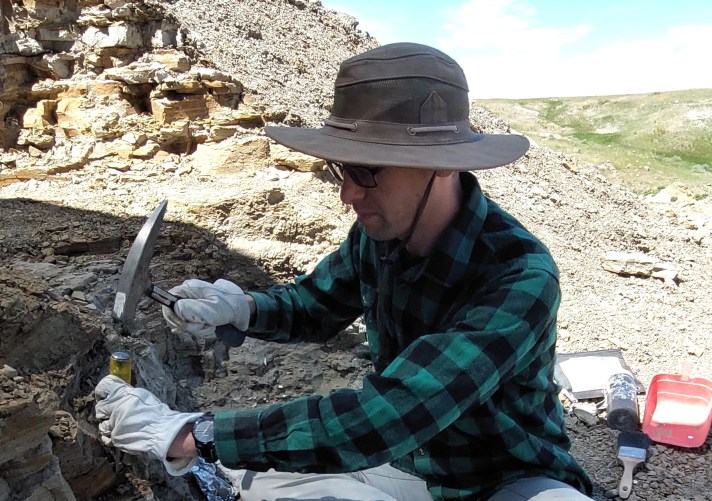
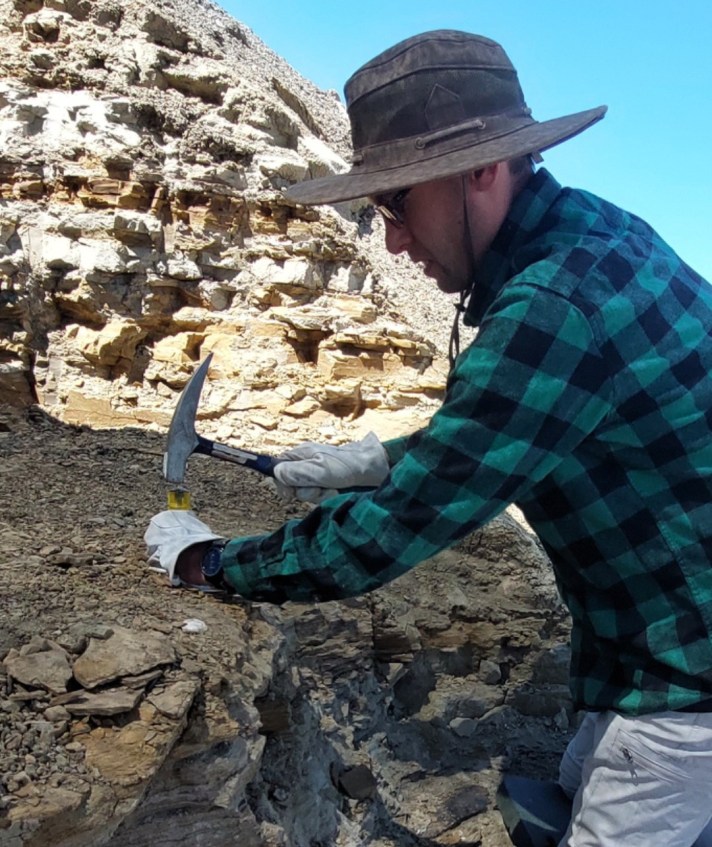
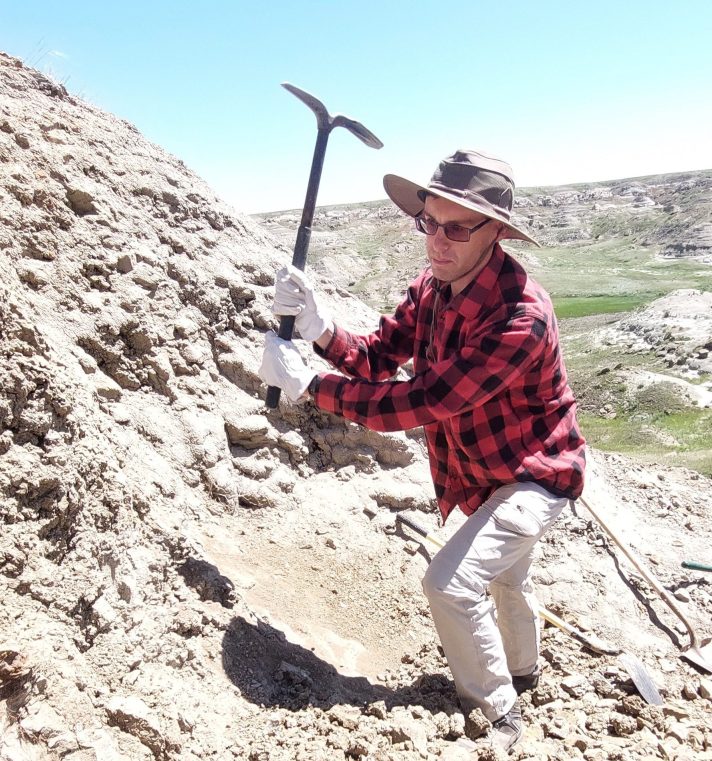
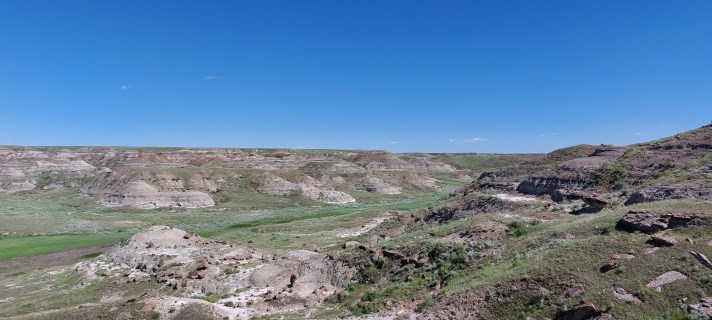
Montana: Unearthing the Late Cretaceous
I located and excavated a variety of Late Cretaceous fossil bearing material. From duck billed dinosaur bones and tendon to tyrannosaurid teeth (Daspletosaurus or Gorgosaurus), ceratopsian teeth, and theropod tendon. I also located crocodile teeth, fossilised leaves, and a large section of turtle shell. The fossils excavated are used by the Badlands Dinosaur Museum for paleoenvironmental research.
Uncover the science behind the discoveries. Subscribe to The Palaeo Minute newsletter to stay in the loop.
Before my 2024 work in the Late Cretaceous of Montana, I gained valuable experience excavating the Early Cretaceous Wessex Formation on the Isle of Wight.
Early Cretaceous Wessex Formation of Yaverland, Isle of Wight
Dinosaur Isle Museum Dig, 27th June- 1st of July 2022
Supervisors: Dr. Martin Munt, Alex Peaker & Simon Penn.
From the 27th of June to the 1st of July, I took part in a weeklong annual dig with the Dinosaur Isle Museum, in the Cretaceous Wessex Formation of Yaverland a Site of Specific Scientific Interest (SSSI). This was the first time Dinosaur Isle had opened fieldwork up for students to get involved in.
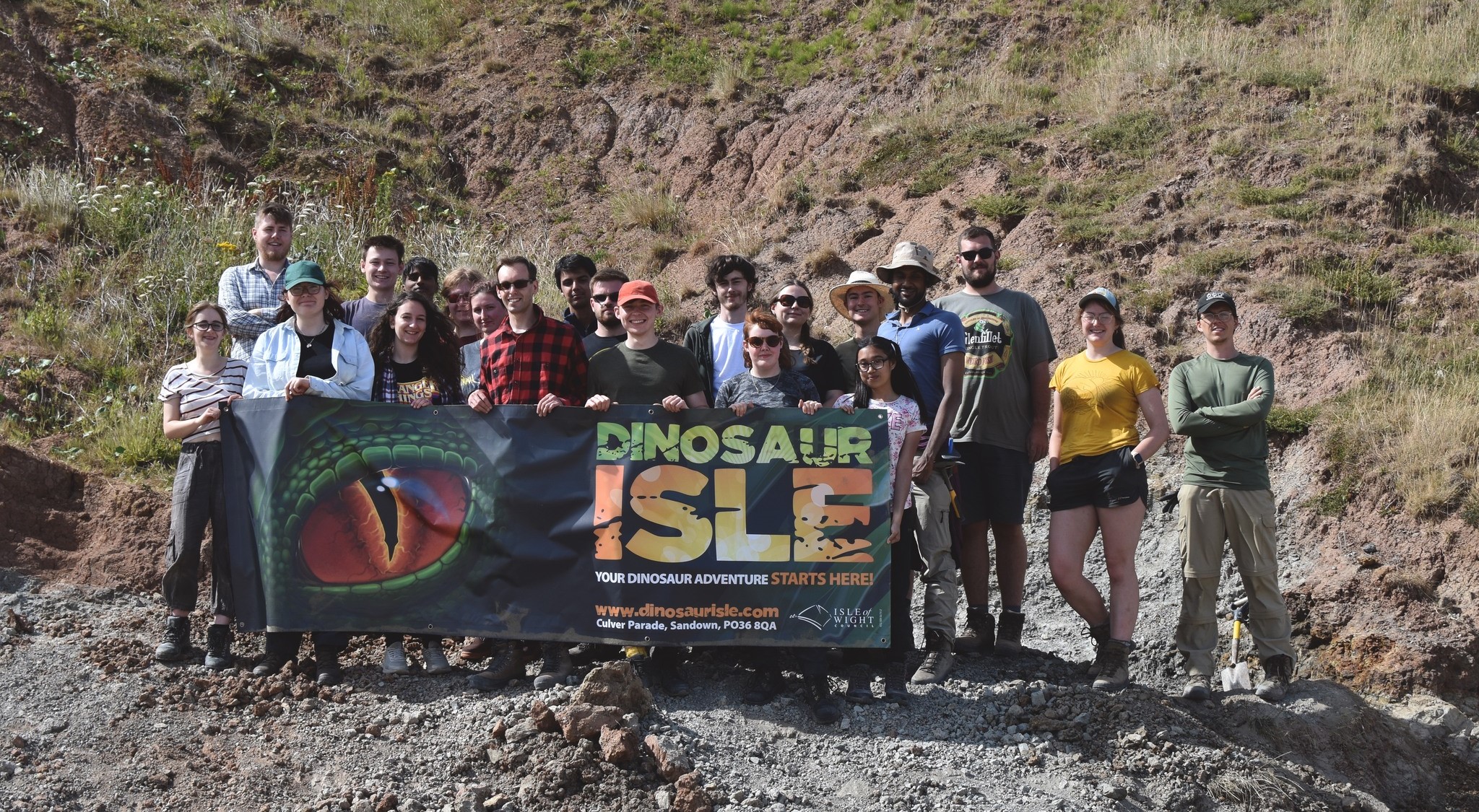
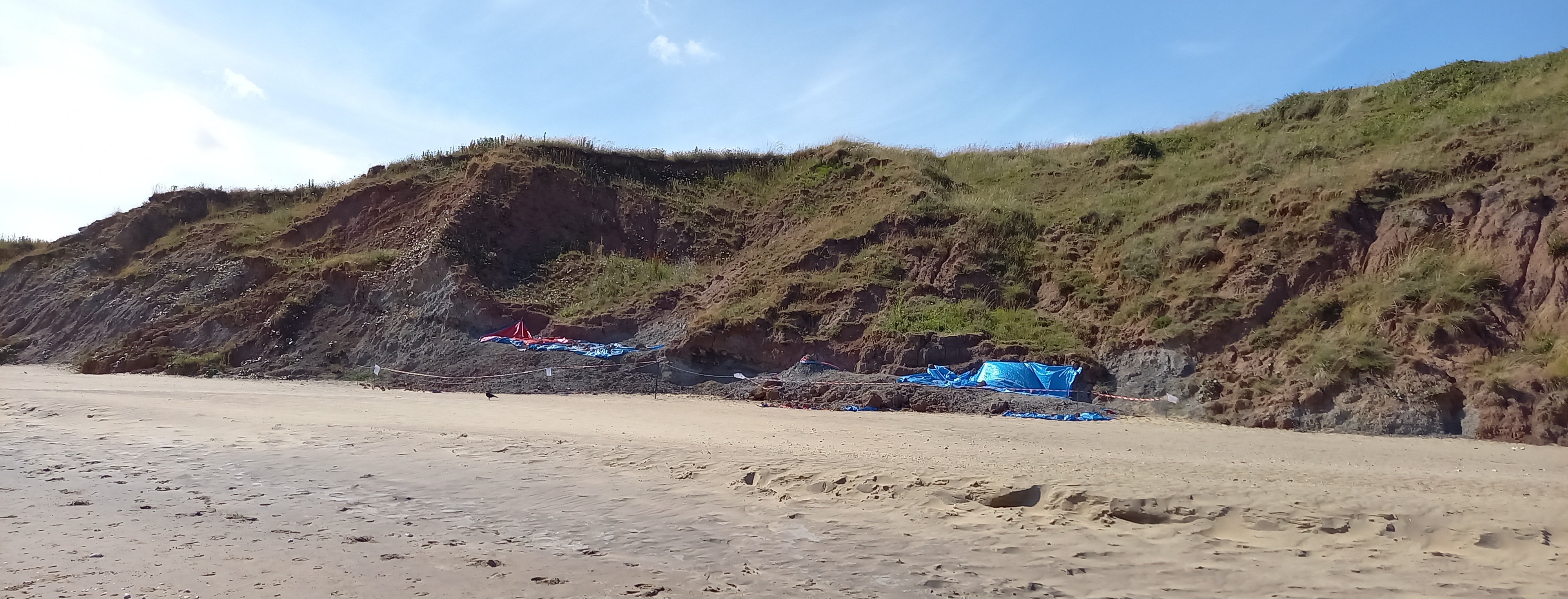

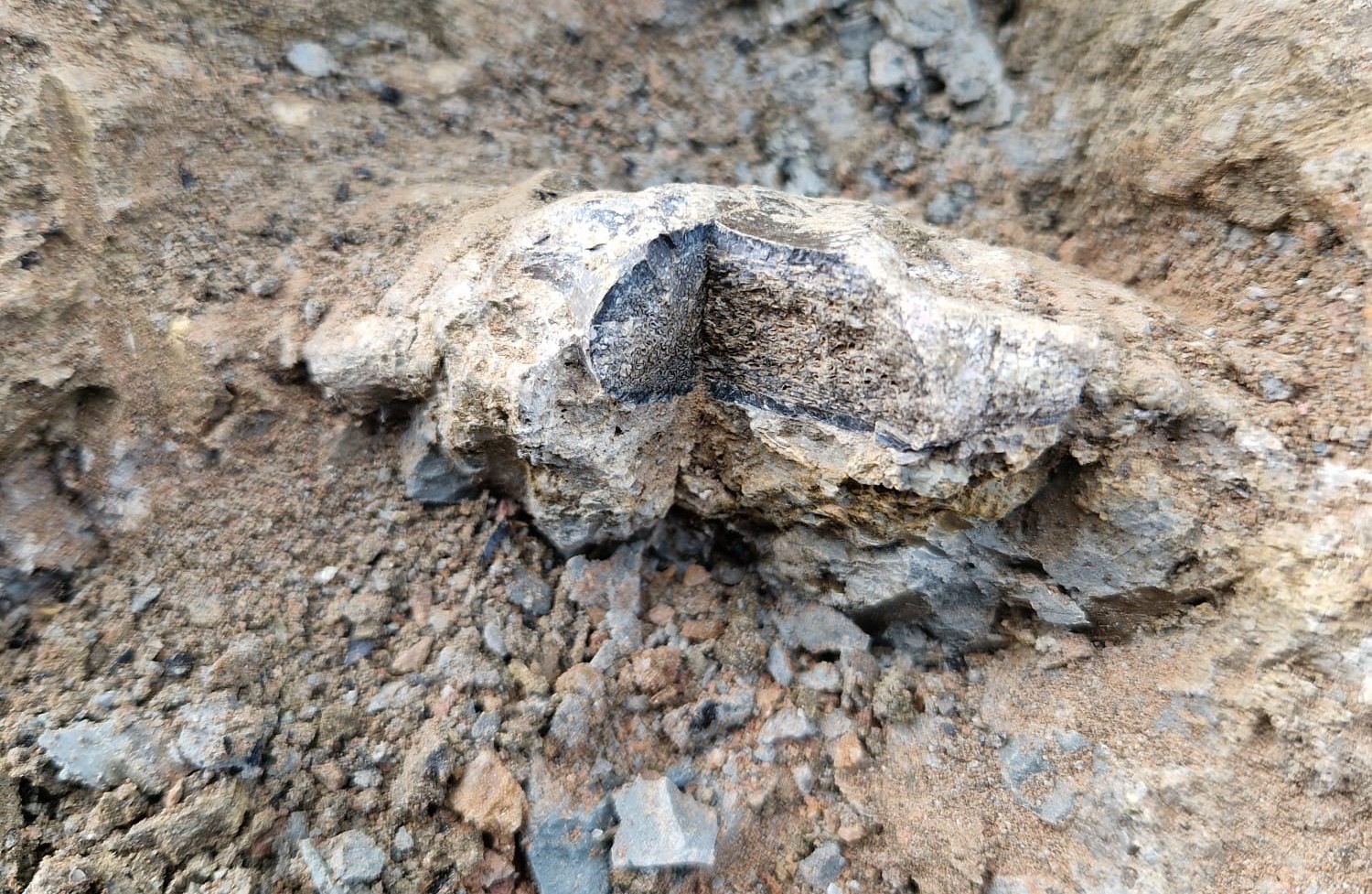

Isle of Wight: Exploring the Wessex Formation
The Cretaceous plant debris beds yielded a range of palaeoenvironmental fauna/flora including fossilised spinosaurid and crocodile teeth, turtle shell, bivalves, wood, and dinosaur bones including theropod and iguanodontian bones.
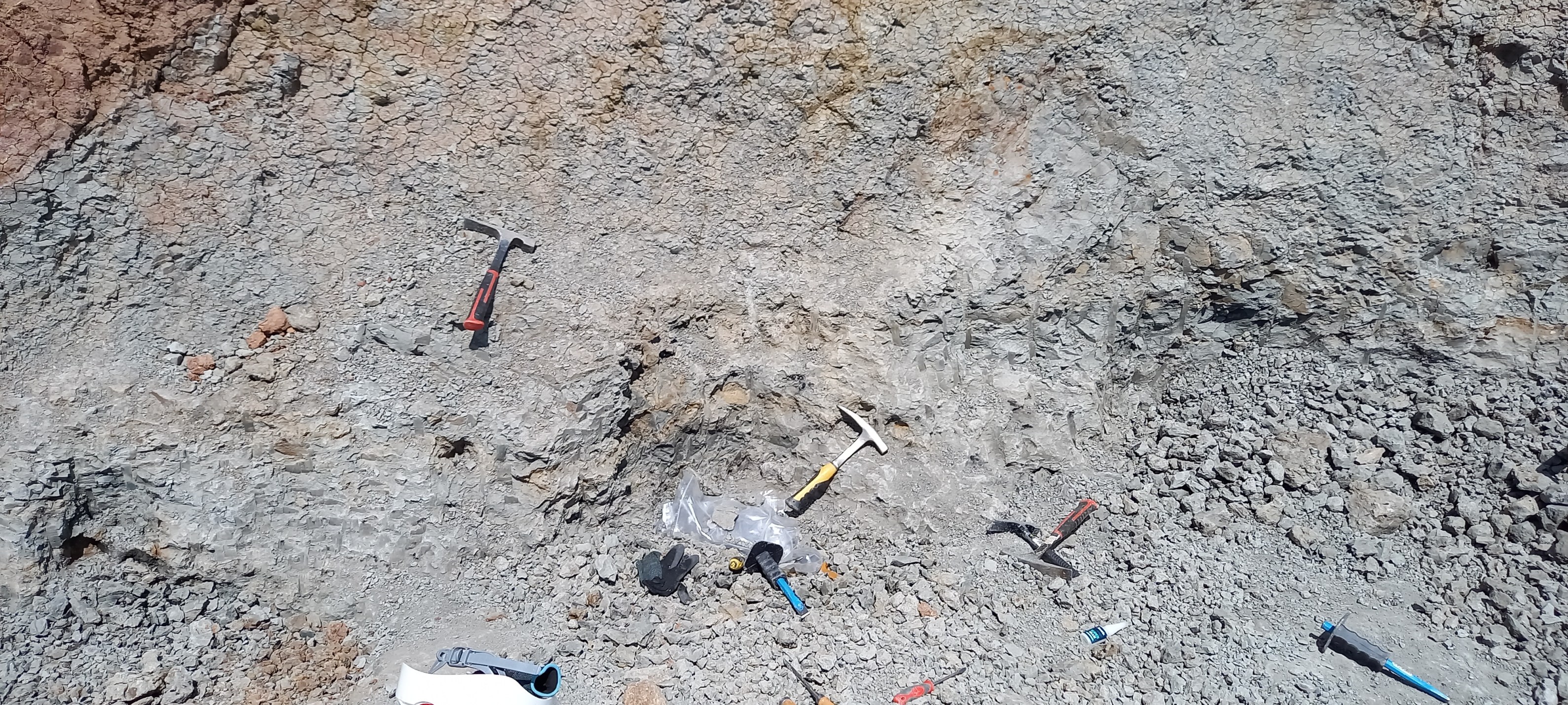
Alongside Dinosaur Isle staff and a team of 20 others, I worked on excavating and identifying the geological history of the site. Careful removal of overburden and strata was undertaken with geological tools including hammer, chisel, brushes, and screwdrivers. This was painstaking work and needed an extensive amount of care. The fossils excavated are to be used in future museum research, enabling an in-depth picture of the fossil diversity of the Wessex Formation.

Before my Cretaceous fieldwork, my earliest hands‑on experience came from studying the much older Rhaetian microvertebrate beds at Vallis Vale.
The Rhaetian of Hapsford Bridge, Vallis Vale, Frome
The University of Bristol, October 2018
Supervisors: Professor Mike Benton & Dr. Doug Robinson.
In October 2018 I visited Hapsford Bridge roadside locality (ST 76057 49507) to measure and log the Rhaetian beds. This was a day of fieldwork, although I made later visits to Vallis Vale to gain a deeper understanding of its history in limestone production.

The Rhaetian bed layers sampled at the Hapsford Bridge roadside locality (ST 76057 49507) in 2018. 
Famous De la Beche unconformity, Vallis Vale showing unconformity of the horizontal Jurassic Inferior Oolite limestone over bedded Carboniferous limestone. 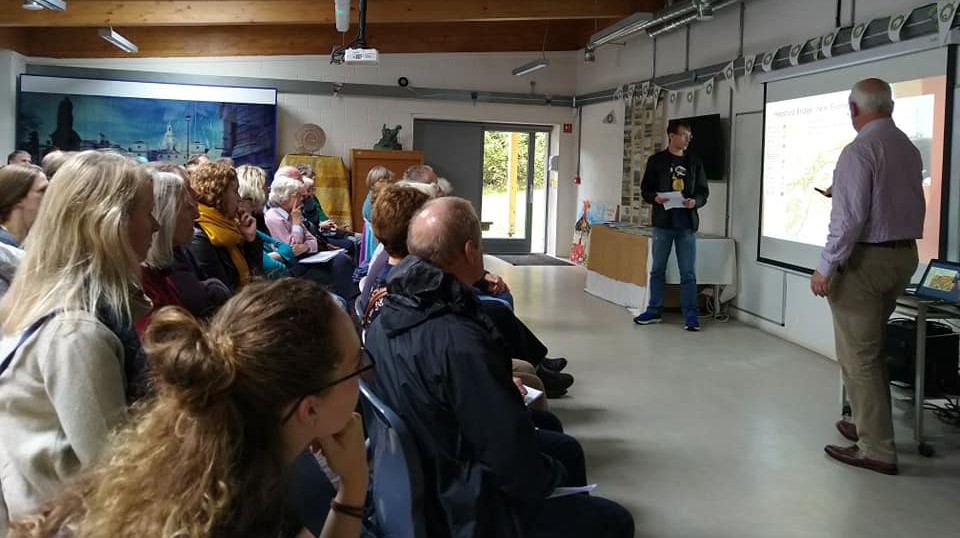
Presenting my Vallis Vale project research with Professor Mike Benton at Mendip Rocks! 2019. 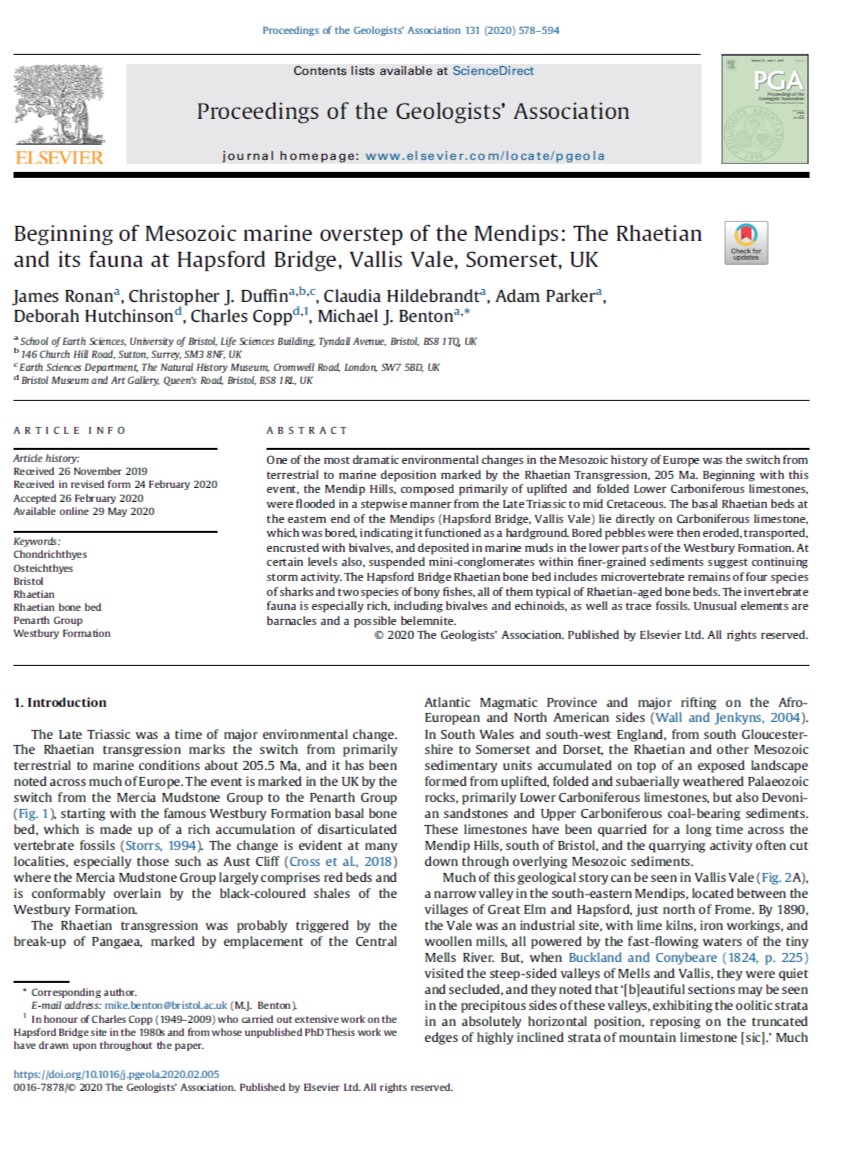
Vallis Vale completed paper. Image credit: Ronan et al. 2020. 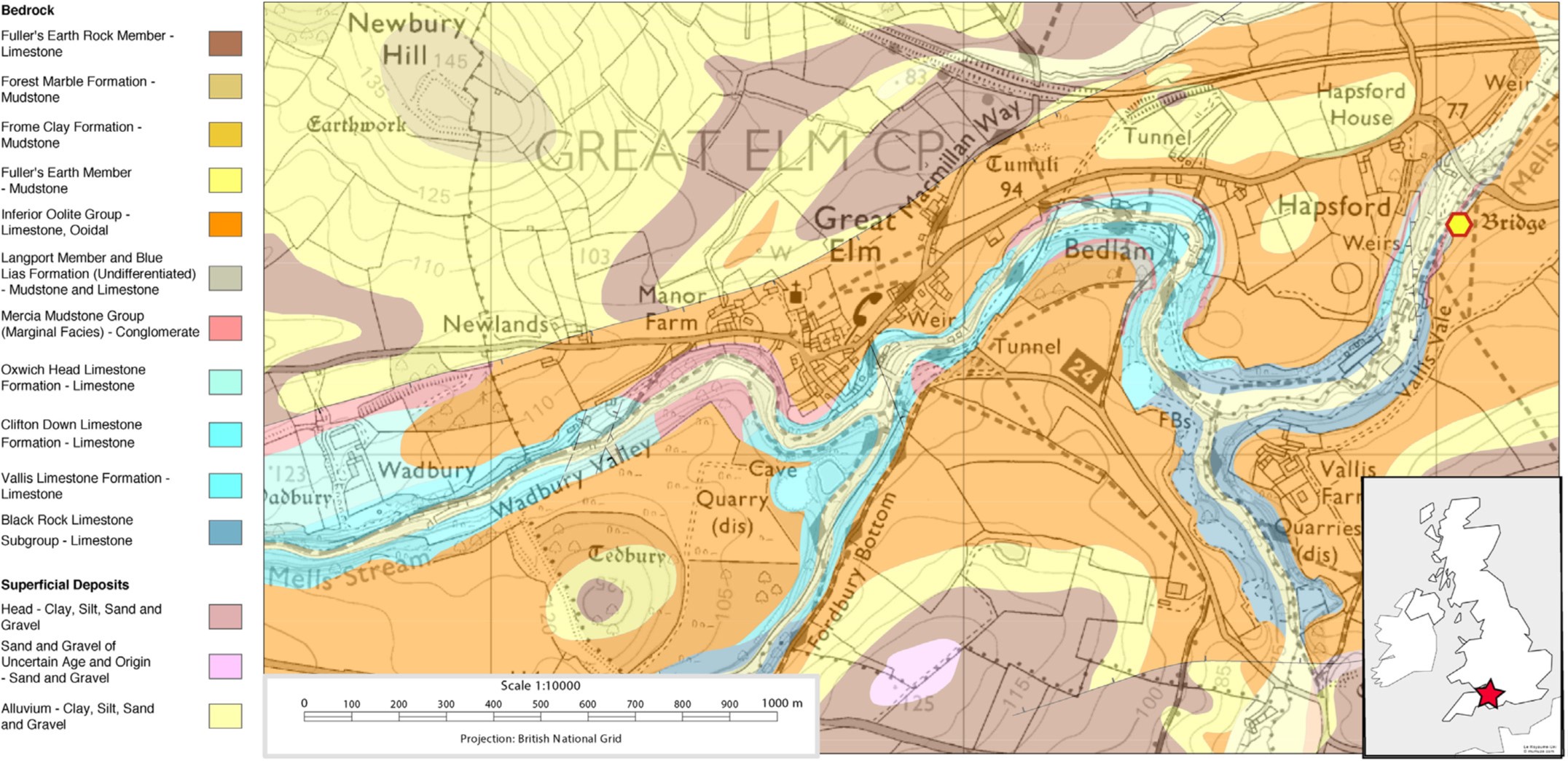
A geological map of Vallis Vale (Figure 3). Image credit: Ronan et al. 2020. 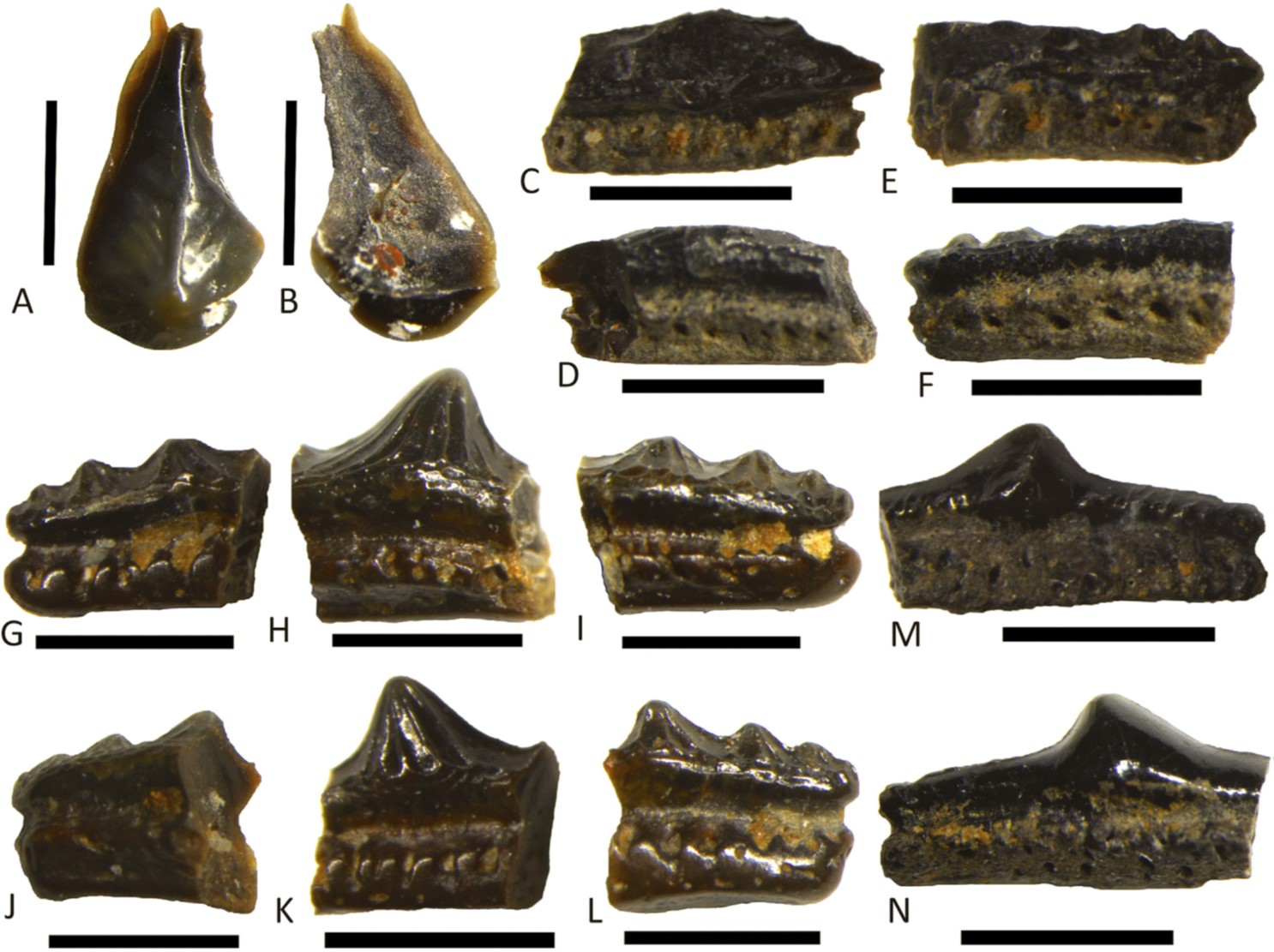
Chondrichthyan teeth identified in the study (Figure 6). Scale bar is 1mm for all specimens. Image credit: Ronan et al. 2020. 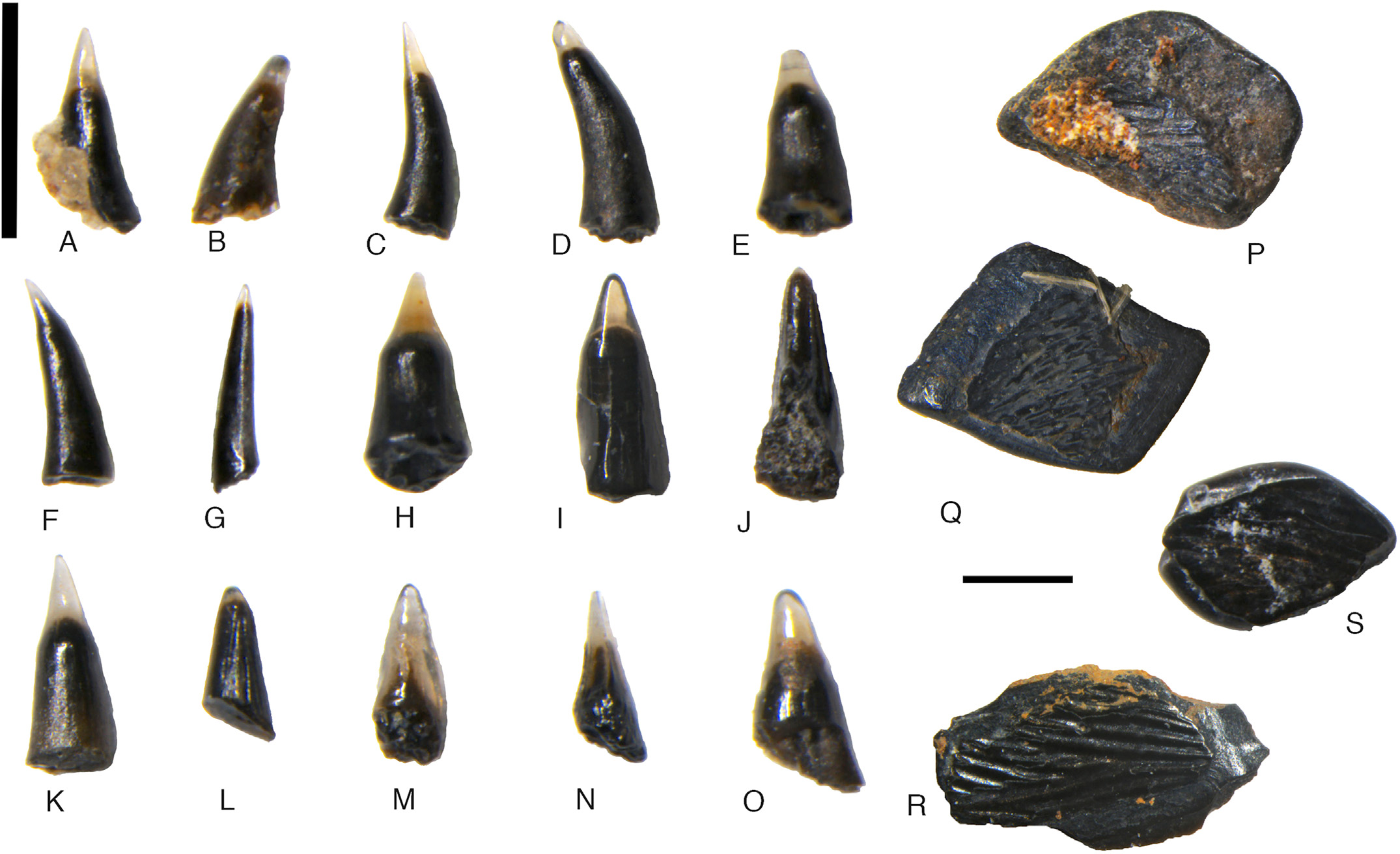
Actinopterygian teeth and scales identified in the study (Figure 8). Scale bar 1mm for all specimens. Image credit: Ronan et al. 2020. 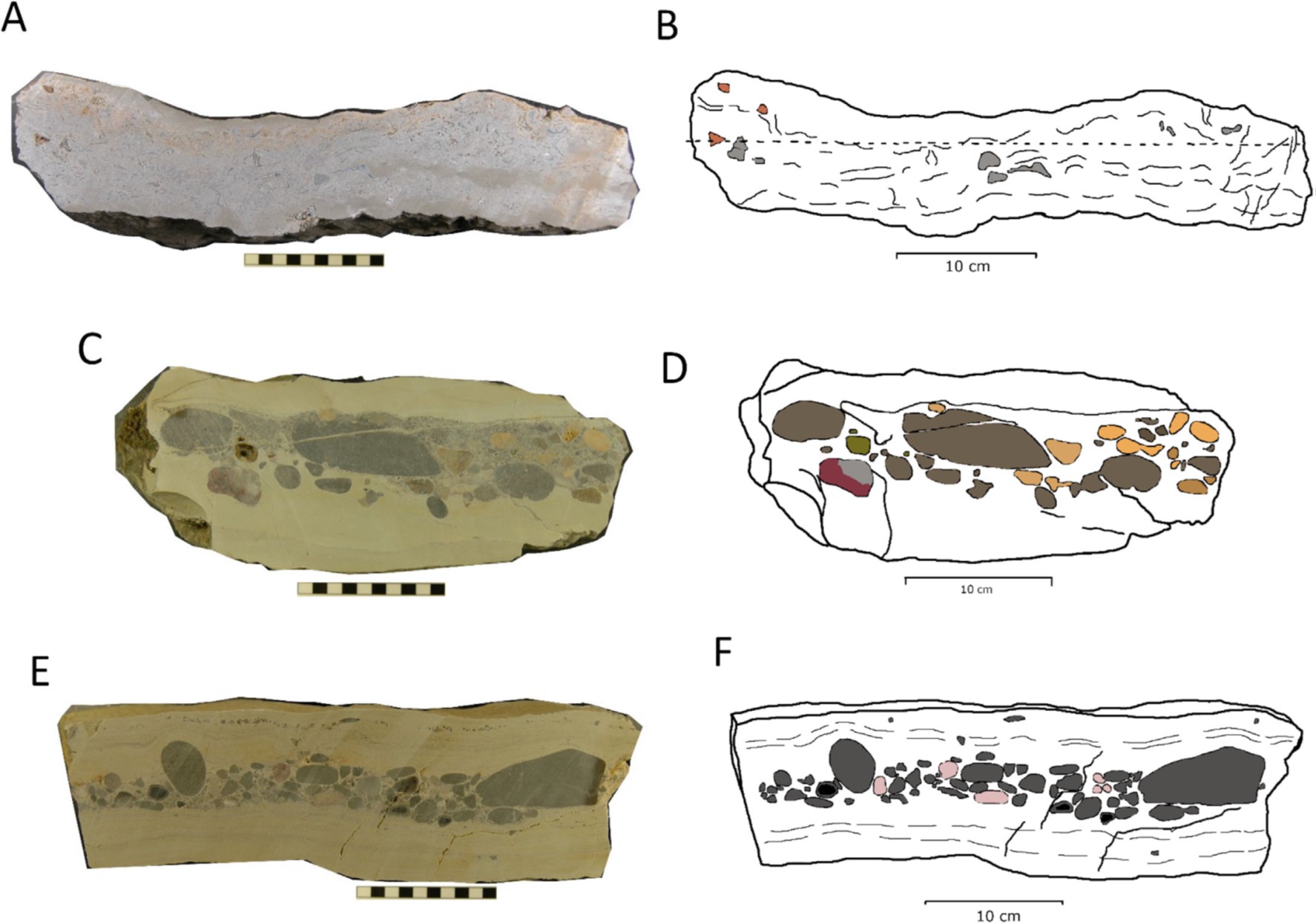
Inferred storm beds from different levels in the Westbury Formation (Figure 13). Image credit: Ronan et al. 2020.
Samples of the rock taken during fieldwork were processed in the labs at Bristol University, resulting in me spending time identifying and cataloguing the final fossil microvertebrate material.
This project examined over 1,700 microvertebrate fossils from the Vallis Vale SSSI to reconstruct the Late Triassic ecosystem and understand patterns of faunal diversity and preservation.
Why My Fieldwork Matters
These experiences, spanning millions of years of geological history, highlight why fieldwork matters and why support for it is so important.
Fieldwork has shaped every stage of my development as a palaeontologist from uncovering microvertebrates in the Rhaetian beds of Vallis Vale to excavating dinosaur remains in the Cretaceous formations of Montana and the Isle of Wight. Each site has revealed something new about ancient ecosystems, and each discovery contributes to ongoing scientific research.
As these projects have grown, so too has the importance of sharing this work with others. Communicating science, supporting museum research, and continuing independent fieldwork all rely on the enthusiasm of people who value palaeontology and want to see it thrive.
This is where the next part of the journey begins.
Fossil Finds Need You!
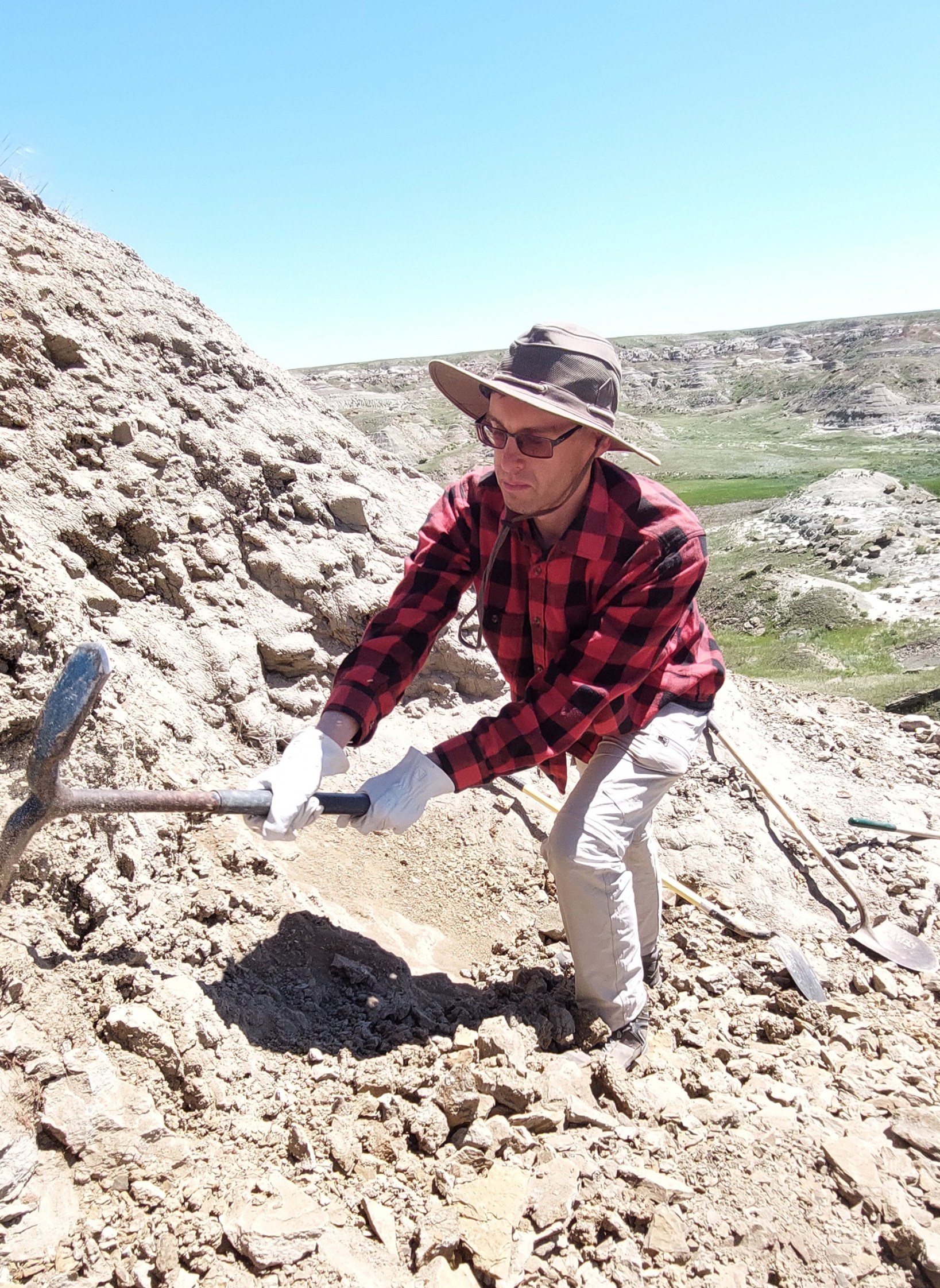
The thrill of discovery is at the heart of fieldwork. From carefully removing sediment to uncover the fragile remains of a hadrosaur tendon, to unearthing a beautifully preserved tyrannosaurid tooth, every fossil tells an extraordinary story about Earth’s geological past.
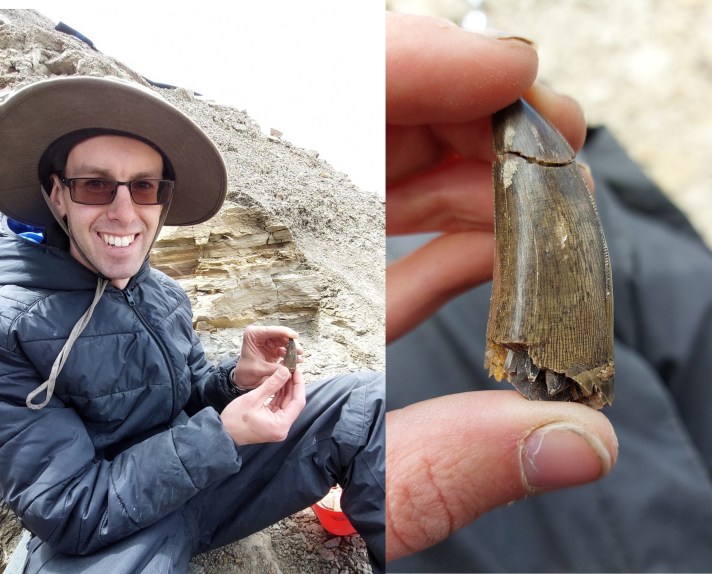
These moments not only deepen our understanding of prehistoric life but also inspire curiosity and wonder in others. The fossils I excavate are used for paleoenvironmental research, helping us piece together Earth’s geological history.
Why Your Support Matters
Fieldwork, however, comes with its challenges. It requires meticulous planning, specialized tools, and the dedication to uncover and preserve invaluable palaeontological treasures. Each fieldwork adventure brings new opportunities to learn and share, but it also relies on support from those who value the pursuit of science and education.
What Your Support Makes Possible
Your support funds:
- Continued professional development as a palaeontologist.
- Visits to important fossil-rich locations.
- Travel to dig sites to undertake fieldwork.
- Collaboration with fellow palaeontologists during field seasons.
- Palaeoenvironmental research for museums where I serve as field crew.
- Essential field equipment for excavation & documentation.
- New fossil insights & science outreach shared across this website.
Together, this work helps unlock the secrets of deep time, one fossil at a time.
Support My Fieldwork
Fieldwork continues to shape my understanding of deep time, and I am excited to share every new discovery with you.
You can support my work through donations. Every contribution makes a real difference. By supporting my fieldwork, you are directly enabling the exploration of new geological formations and ensure these stories continue to be told. From the rocky Badlands of Montana to the shores of the Isle of Wight, your support keeps this essential work alive.
If you would like to support my independent fieldwork and science outreach, you can donate here.
Every fossil I uncover adds another chapter to Earth’s incredible story from tyrannosaurid teeth to ancient plant remains. Join The Palaeo Minute newsletter to uncover the science behind the discoveries and be a part of the journey beneath the surface.

Click to return to the homepage.

You must be logged in to post a comment.