Communicating Earth’s Deep Past through Research, Storytelling, and Hands‑On Discovery
Did you know?
Non-avian dinosaurs went extinct 66 million years ago, but avian dinosaurs (birds) survived and thrived.
About Me

I am a vertebrate palaeontologist with an MSc in Palaeobiology from the University of Bristol. Passionate about vertebrate palaeontology, my fascination with dinosaurs began in childhood, sparking a lifelong drive to learn more about the world around me. I am particularly interested in hadrosaurs, duck-billed dinosaurs, but all dinosaur species captivate me. I work hard to maintain a grounded understanding of most major dinosaur groups.
Why Palaeontology Matters
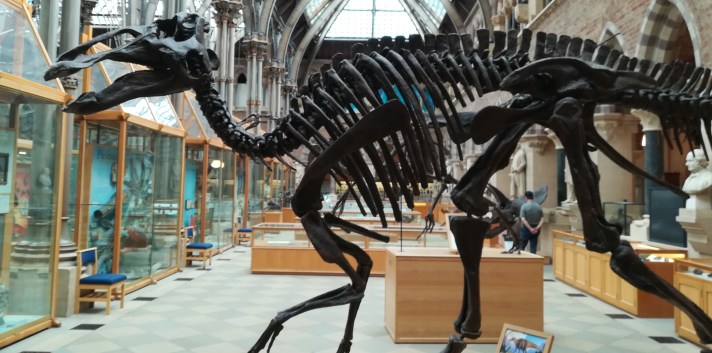
Dinosaurs, marine reptiles, and pterosaurs do more than capture the imagination, they reveal powerful lessons about evolution, extinction, and the environments shaping our future. Palaeontology helps us understand Earth’s changing history and our place within it.
As an experienced palaeontologist passionate about science communication, it has been a pleasure to help shape engaging science content that transforms fossil facts into vivid storytelling and broadens public participation. Science communication is incredibly important, enabling people to learn more about the past and the world around them.
Science Communication That Inspires
From fossil-rich expeditions in Montana’s Judith River Formation to museum outreach and school workshops, I have dedicated myself to sharing the wonders of natural history with the public. Whether it is through research, outreach, or storytelling, I aim to ignite imaginations and deepen understanding.

Alongside this work, I also support media, publishers, and creative teams through specialised palaeontology consultancy, helping ensure that science is communicated clearly, accurately, and with imagination. You can explore my consultancy services here. Wanting to bring that same sense of discovery beyond museums and field sites, I created a scientific dispatch dedicated to decoding dinosaur science and discovery.
The Palaeo Minute: A Prehistoric Dispatch

That is why I created The Palaeo Minute, a newsletter dedicated to sharing palaeontology from the frontier. It is the best of my work, a window into the prehistoric world. A place where I can excavate deep-time research and share with readers the amazing fossil discoveries transforming palaeontology.
The T. rex biting the clock’s minute hand symbolises change. Each new dinosaur discovery reshapes how we understand these animals and the time they lived in. The broken clock represents not time lost but time reimagined, reminding us that palaeontology evolves with each timely discovery.
Welcome to The Palaeo Minute
Faith & Purpose
Pursuing palaeontology as a career has required resilience, perseverance, and meticulous planning. As a practicing Catholic, my faith has been integral to my journey. I credit God’s grace for guiding me through challenges and opportunities alike, shaping the path that has led me here. Each field expedition, project, and outreach effort has shaped not only my understanding of Earth’s history, but also my purpose in sharing it. You can explore some of these experiences in the photos below.
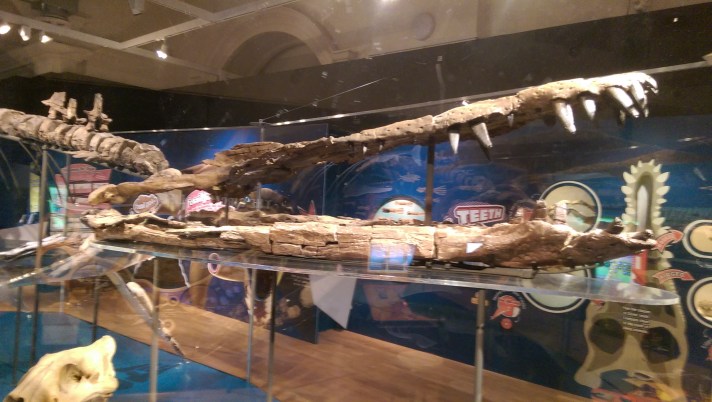
Pliosaurus carpenteri fossil on display in the Pliosaurus! Exhibition at Bristol Museum in 2018. 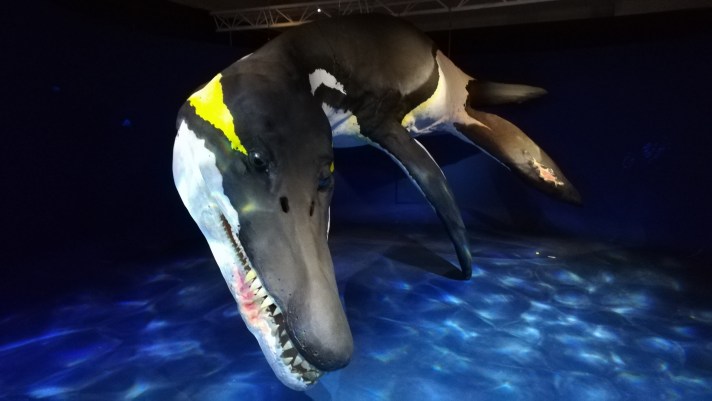
Pliosaurus model used to engage the public in the Pliosaurus! Exhibition in 2018. 
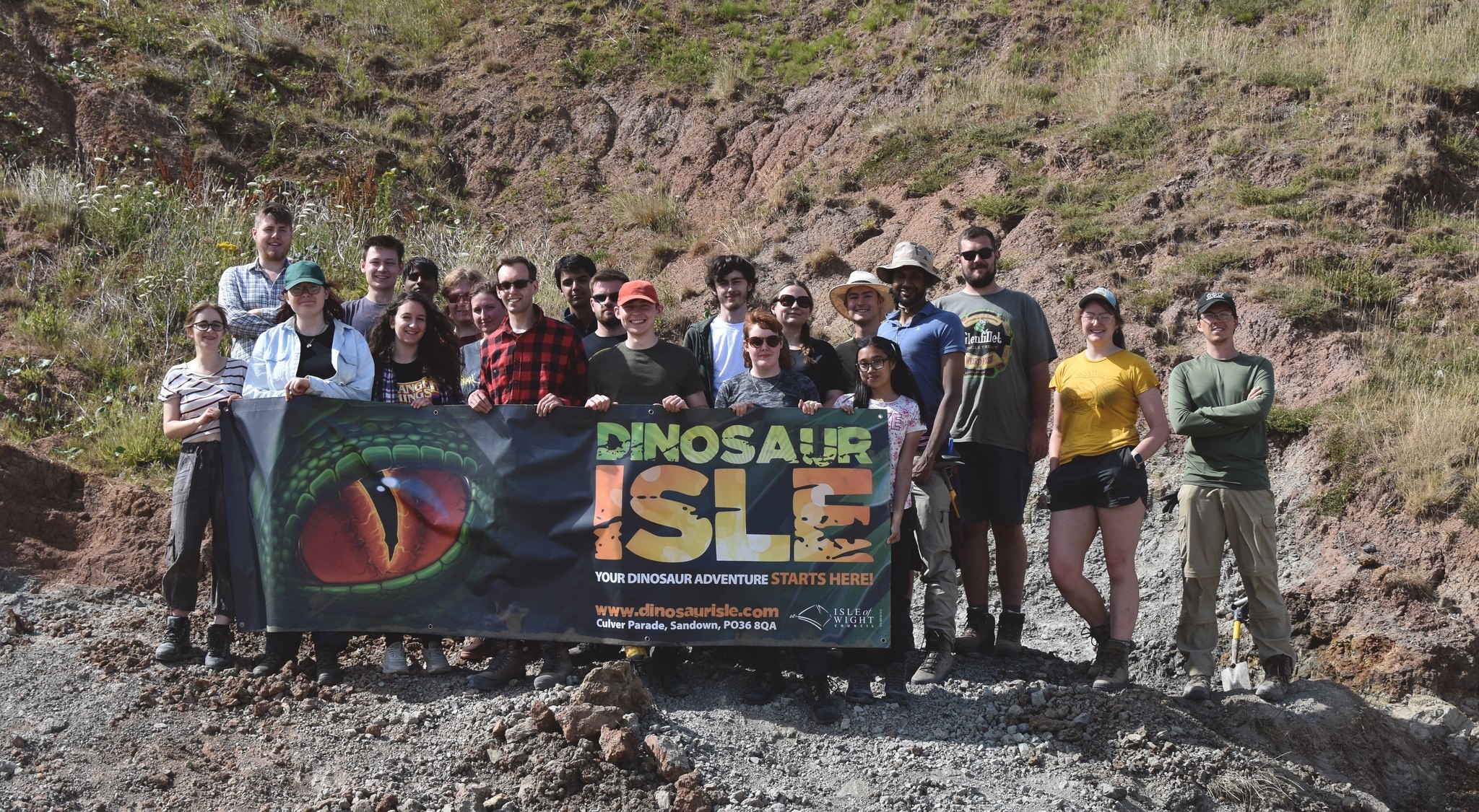
Volunteering at Dinosaur Isle Museum on the Isle of Wight in 2019. 
Co-leading fossil walks in Compton Bay on the Isle of Wight in 2019. 
From 2018 to 2020, I ran school workshops across Bristol with The Bristol Dinosaur Project. 
Fossil hunting in Charmouth in 2024. 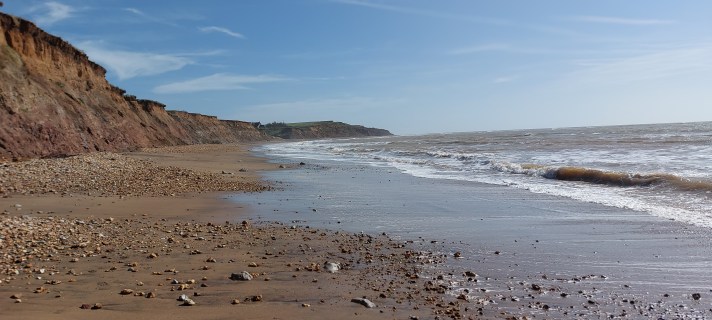
Fossil hunting in Brook Chine on the Isle of Wight in 2026. 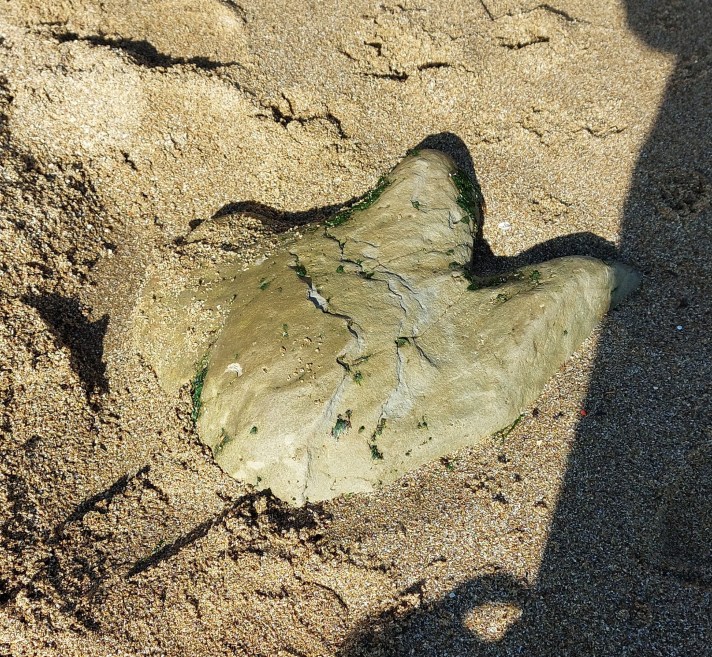
Iguanodontian footprint cast at Compton Bay in 2026.
Explore More
Explore the following links to uncover my palaeontology journey from fossil-rich fieldwork and museum outreach to science consultancy and public engagement:
Want a taste of The Palaeo Minute? Here is the very first edition, free to read so you can experience the storytelling, science, and fieldwork insights that shape each dispatch.

Enjoyed this edition? You can explore more fossil‑rich stories in The Palaeo Vault or subscribe to unlock them all.
Love Palaeontology? Help Keep It Going
Producing high‑quality palaeontology content takes time, research, and resources, far more than most people ever see. This work can only continue with your financial support. Community support helps keep this work accessible and ensures this site remains clean, and free from intrusive ads. If you want to help keep palaeontology thriving, here is how you can support the journey.
Support Science. Keep it Accessible. Be part of the Expedition.
Through donations you are helping keep palaeontology open, creative, and evolving.
Click to return to the homepage.
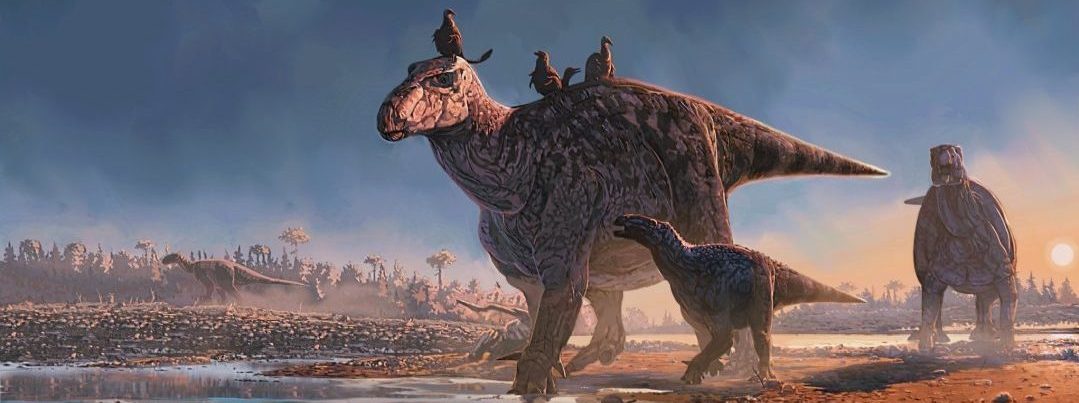
Header image is Iguanodonts at sunset by palaeoartist Corbin Rainbolt.

You must be logged in to post a comment.