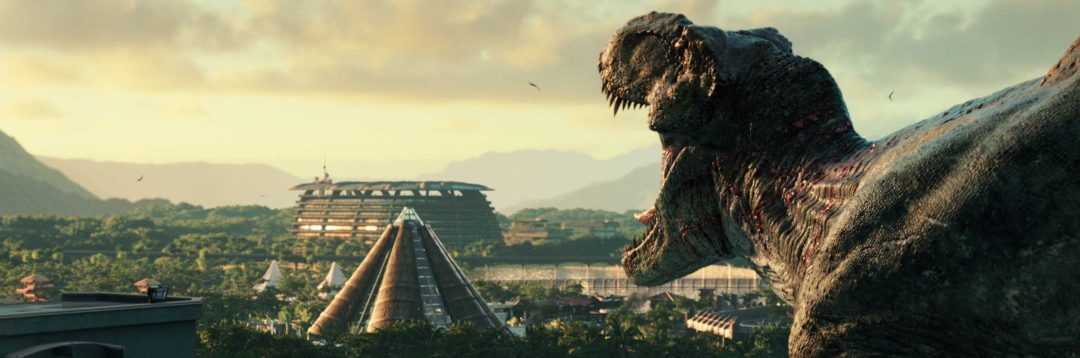
Celebrating a decade of Jurassic World, I speak with Professor Steve Brusatte the palaeontological consultant behind Jurassic World: Dominion and Jurassic World: Rebirth, to uncover how science has shaped the blockbuster franchise.
“I want to strive even harder to make sure up-to-date science is reflected in these films. After all, there is no better way to reach a huge global audience than through a blockbuster film.”
Professor Steve Brusatte
In this third and final article celebrating Jurassic World’s tenth anniversary I interview palaeontologist Steve Brusatte who has consulted on Jurassic World: Dominion and Jurassic World: Rebirth, providing scientific expertise and palaeontological information during the films development.

This interview delves into Steves feelings about Jurassic World and the other films in the franchise, alongside his work as a palaeontological consultant.
Unravelling Jurassic’s Science: An Interview with Professor Steve Brusatte
Jurassic World at Ten: Palaeontology’s Blockbuster Evolution
1. Hello, Steve. It is a pleasure to speak with you in this interview. As Jurassic World (2015) is ten years old now, what impact do you feel the film has had on palaeontology in terms of interest in the field of study and dinosaurs?
The original Jurassic Park, when it came out in 1993, truly revolutionized palaeontology. It brought dinosaurs into the public consciousness in a new way—as smart, energetic, dynamic animals, not those brutish failures of prehistory of old stereotype. And it led to a huge increase in funding for museums, research, and palaeontology jobs.

After Jurassic Park III came out in 2001, the franchise went dormant, but it roared back big-time with Jurassic World in 2015. It made over $1.5 billion at the global box office! A whole new generation of people who were too young to see the original films now had their chance to see dinosaurs on the big screen, and that’s been a great thing for public interest in palaeontology.
Feathered Dinosaurs & Jurassic
2. What is your favourite Jurassic World dinosaur and why?
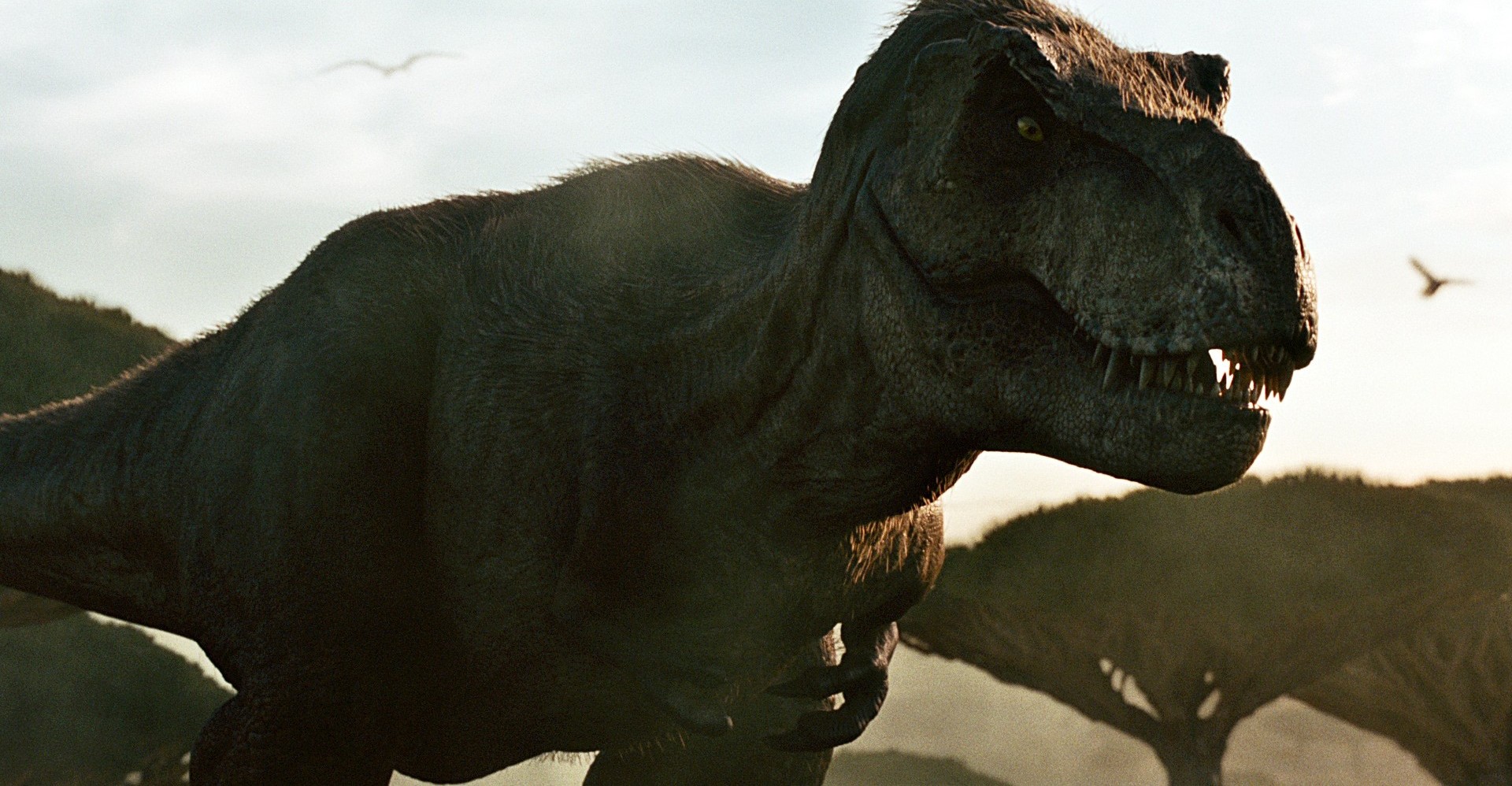
Pyroraptor. So many of us wanted to see proper feathered dinosaurs in a Jurassic film, and it finally happened with Pyroraptor in Dominion. The reasons it took so long are well documented. The original film came out in 1993, and the first feather-covered dinosaur fossils were reported in 1996. When Spielberg made the original, he did not know that Velociraptor and some other dinosaurs had feathers.
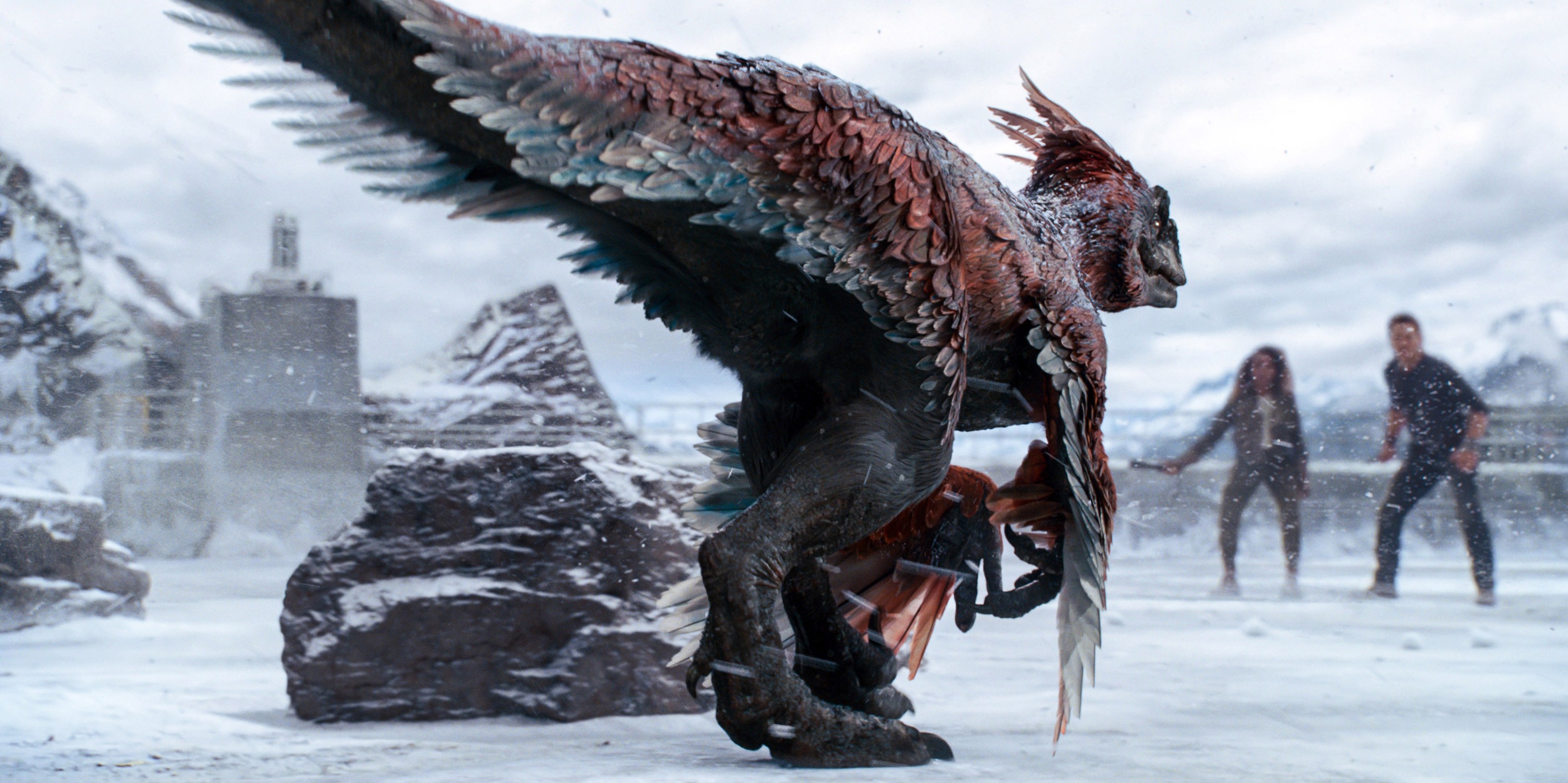
But then so soon after the first film came out, that image of scaly naked raptors was shown to be wrong and waiting to somehow be remedied on screen. When Colin Trevorrow told me, in our first meeting, that he wanted some proper feathered dinosaurs in Dominion, that more than anything made me sign on as consultant immediately. I knew this would be the chance, and I was overjoyed to see a fully feathered, winged, proper birdy raptor on the big screen.
Jurassic World‘s Production Announcement
3. Considering the franchise had a 14-year gap since Jurassic Park 3. How did you feel when Jurassic World was first announced as being put into production in 2014?
I don’t remember too much about that moment to be honest, but I recall seeing something on social media, and doing a double take. Jurassic Park would be back?! In 2014 I was just a year or so into my first job as an academic palaeontologist, so I felt excited both as a fan of the original franchise and as a dinosaur scientist, as I knew this would bring dinosaurs to the public, globally, in a way that no other type of media could.
Key Moments in Jurassic World
4. Is there a specific story element, character, or dinosaur moment in the film that you feel elevates it over the other sequels in the Jurassic Park/Jurassic World series?
I’ll be honest. I was hoping for feathered dinosaurs in the first Jurassic World. When they didn’t materialize, I felt it was a missed opportunity (which thankfully was later remedied!). But at the same time, what I really enjoyed about the film was the new cast of human characters. Bryce Howard, Chris Pratt, Omar Sy—they were a worthy successor to the original cast.

Marine Reptile & Pterosaur Behaviour
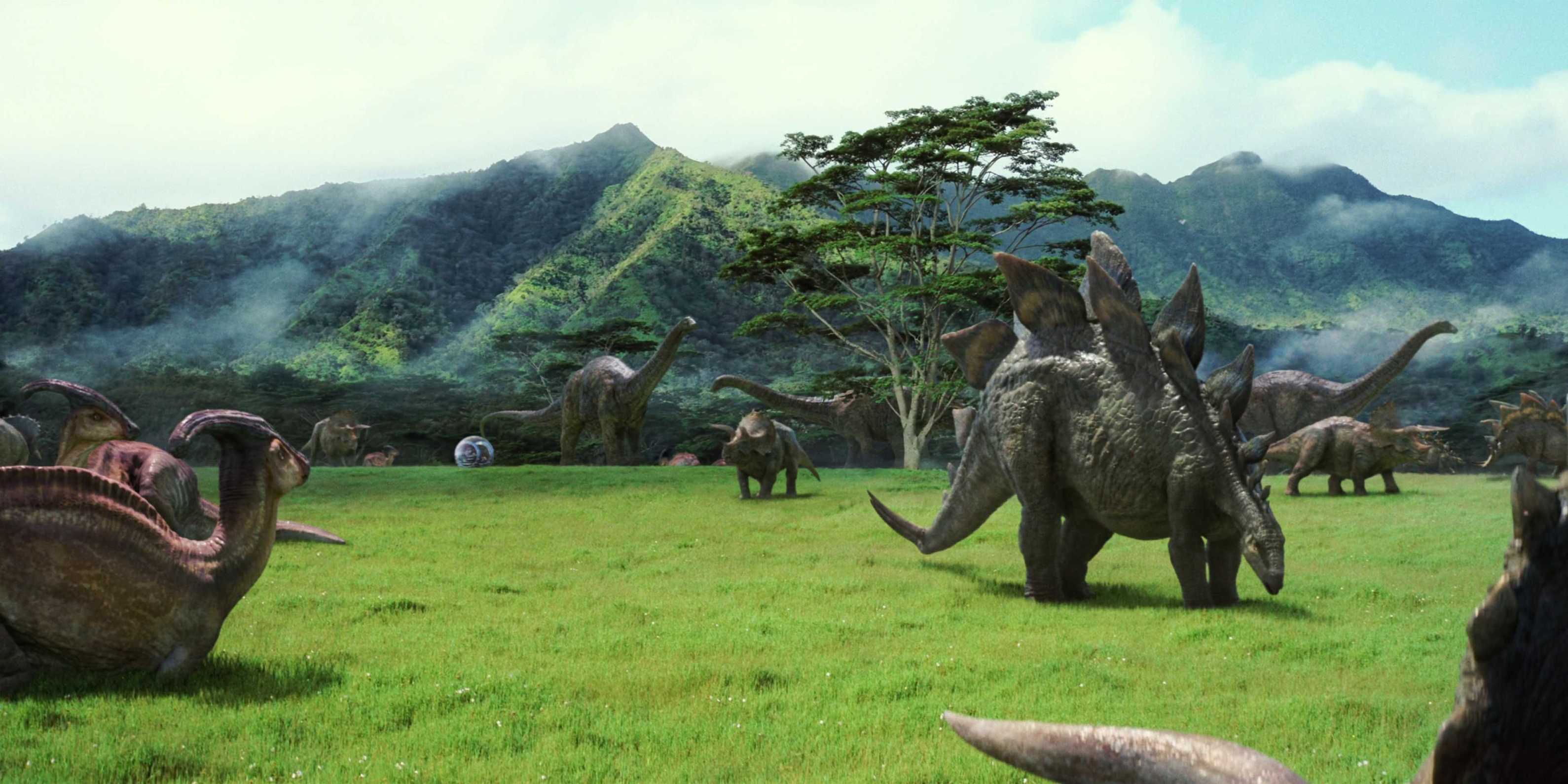
5. There is a wide variety of dinosaur behaviour on display in Jurassic World from display behaviour of Parasaurolophus in Gyrosphere Valley to the Velociraptors communicating with each other. Is there a dinosaur behaviour in the film that sticks out to you?
The two things I remember most, when thinking back to that film, are the gigantic mosasaur and the pterosaurs fleeing the ‘aviary’. Yes, the mosasaur is far too big compared to the ones we know from the fossil record, but that big-screen depiction, to me, nails the ‘persona’ if you will of a ferocious marine reptile.
These things would have been big, nasty, and we would have surely admired and respected and feared them like we do with sharks today. And anytime a bunch of pterosaurs are are flapping, flying, flocking and frolicking around, that is awesome.

Jurassic’s Science Communication
6. The Jurassic World Innovation Centre seems more focused on science communication then the Jurassic Park Visitor Centre. What is your opinion on the film’s educational portrayal of palaeontology within the Jurassic World theme park, compared to its representation in the previous films?
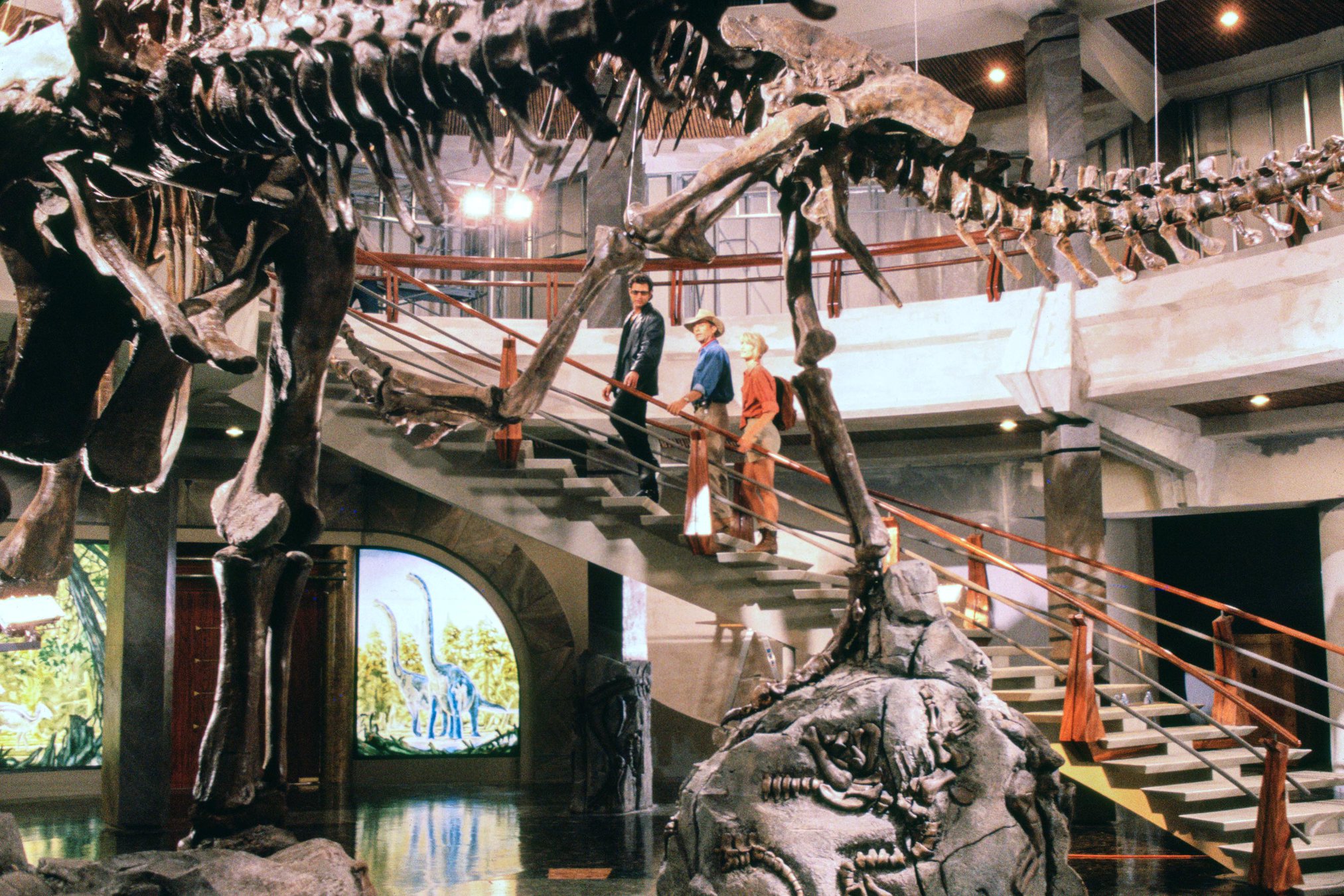
I haven’t really thought about this aspect to be honest. No doubt the original Jurassic Park theme park was an amusement park, where science was in service of the spectacle. The original Jurassic Park was not a paragon of quality science communication; I can tell you that.
From Science to Screen
7. Was there a palaeontology change or addition that you wanted to see in Jurassic World but was not included?
Feathers! By 2015, we had known for nearly 20 years that many dinosaurs had feathers, and some (like Velociraptor) even had wings. I was hoping this well-known fact of palaeontology would be reflected on the screen, and I was disappointed when it wasn’t. But that made it all the more sweeter to see the feathered dinosaurs in Dominion, and playing a small role in making that happen (although it was all Colin’s idea and vision from the start).
Consulting for Dinosaurs: A Scientist’s Role in the Jurassic Films
8. Jack Horner consulted on all the Jurassic Park/Jurassic World films until you took over as consultant on Jurassic World: Dominion and Jurassic World: Rebirth. How essential do you feel consulting on such films is for ensuring that real science is showcased on screen?
I love my role on the films. More than anything, I simply appreciate that, from the very start in 1993, the producers and directors, writers and artists have wanted to have a paleontological consultant on board. They didn’t need to. They could have just made the dinosaurs movie monsters and not concerned themselves at all with realism or accuracy. That would have been the path of least resistance. And there are many sci-fi movies that surely do this.
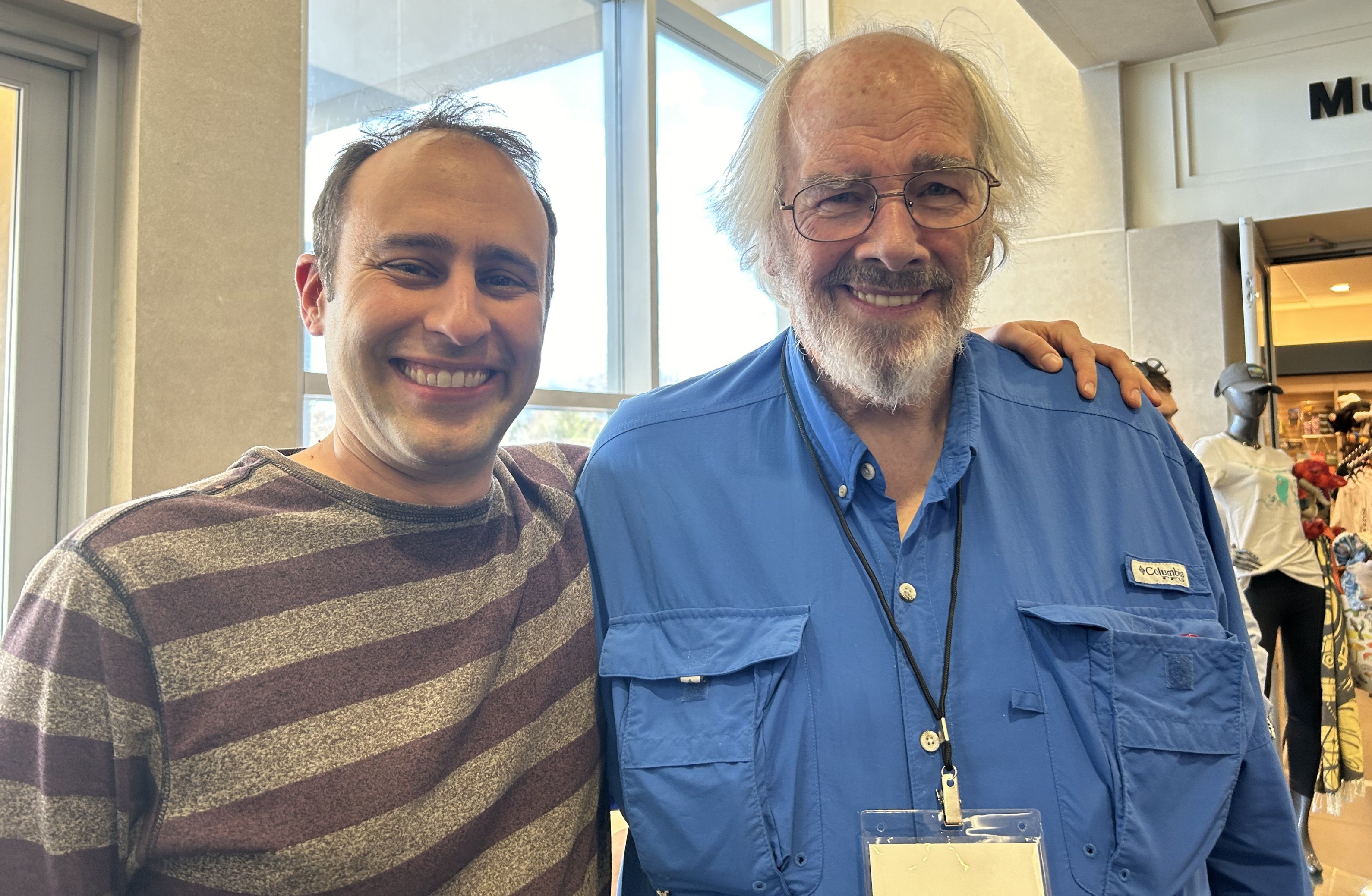
Are astrophysicists consulting on all these blockbusters about space and stars and time travel? Maybe sometimes, but probably not very often. Jack led the way in playing this important role, making sure that real science was always in the ears of the creative visionaries making the films and accurate information on dinosaurs was always a phone call or email away, and I’m proud to carry on that legacy, that link between a huge movie franchise known all around the world and the quite esoteric academic community of researchers that I am part of.
From Fossils to Film
9. How has your relationship with the Jurassic World franchise changed since being more actively involved as a consultant?
It’s a surreal thing, being a fan of the franchise and then getting the opportunity to work on it. I mean, that’s the dream of so many of us fanboys and fangirls who geek out over our favourite films and TV shows and books, right? I’m still a fan. And I viscerally understand how important the franchise has been for science communication and generating interest and funding for museums and universities—I’ve seen that, felt that first-hand as a scientist studying dinosaurs.
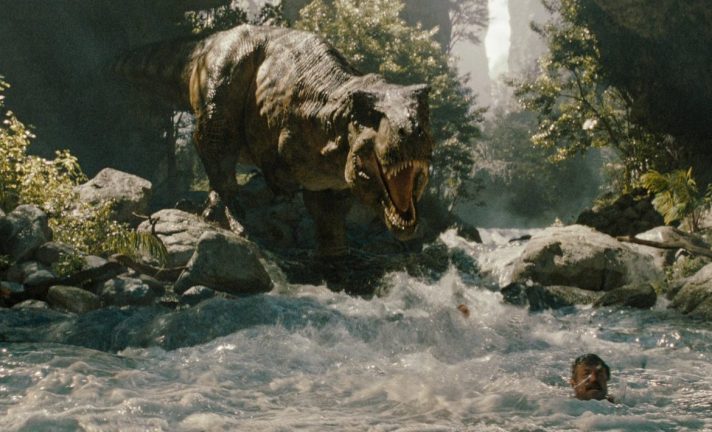
All of this means that I want to strive even harder to make sure up-to-date science is reflected in these films. After all, there is no better way to reach a huge global audience than through a blockbuster film. For millions of people around the world, the Jurassic franchise is how they experience dinosaurs. And I want to play whatever role I can in making that experience fun, exhilarating, and a little bit educational, in a sneaky way.
Jurassic World’s Impact
10. What do you think Jurassic World’s (2015) legacy has been?
It’s resurrected one of the all-time great movie franchises, and it’s brought dinosaurs to life for a new generation. I have many cousins and family friends and even fairly young children who I meet when visiting schools, who were too young to experience the original Jurassic Park films in the cinema in the 1990s and early 2000s. But now they are engrossed with Jurassic World. It’s how they know dinosaurs.

It provides their mental image of what dinosaurs were. It’s how they know there is controversy and debate among scientists about some aspects of dinosaur appearance and behaviour. It’s how they know that the science of palaeontology is always changing, always finding new things. And in this day and age of short attention spans and social media algorithm overlords, for many of these folks, it might be their only interaction with science at a deep level, and I treasure being part of it.
All The Jurassic World’s A Rage
I hope you have enjoyed reading this interview with Steve about his work on the Jurassic World films and his feelings about the franchise. It has been been a intriguing read, as a palaeontologist myself to learn more about Steve’s thoughts about Jurassic World (2015) and the franchise at large. A big Thank You to Steve for taking time out of his busy schedule to take part in this interview.
As we close the chapter on celebrating Jurassic World’s decade of dinosaur engagement, it is clear the film’s impact on public interest in palaeontology has been profound. But the fascination with dinosaurs does not end here! There is still much to uncover, both in the fossil record and through continued palaeontological exploration. With exciting new content and scientific discoveries ahead, the journey into deep time continues.
Enjoyed this Interview? Go Deeper into the Science
I publish The Palaeo Minute newsletter expert‑led fossil insights and behind‑the‑scenes fieldwork notes. Here is a free edition so you can see what it is like.
Subscribers get: decoded dinosaur science • fieldwork stories • fossil insights • clear palaeontology explainers

Enjoyed this post? Support my science outreach.