
Here’s my review on the long-awaited revival of the Walking With franchise, Walking With Dinosaurs 2025.
Read by thousands of readers.
“Over 66 million years ago. Our world was ruled by dinosaurs. The largest animals that have ever walked the Earth. Today, dinosaur experts across the globe are uncovering the bones they left behind. Allowing us to imagine how these extraordinary creatures lived. So that we can tell their stories and they can walk again.”
Bertie Carvel
The long-awaited Walking With Dinosaurs 2025 marks a revival, not a direct sequel of the iconic franchise. Available now on BBC iPlayer, the series integrates cutting-edge palaeontological research with immersive storytelling, reconstructing life during the Mesozoic Era. Having watched every episode, I have plenty of thoughts on how it achieves its goal of engaging audiences with the latest science.
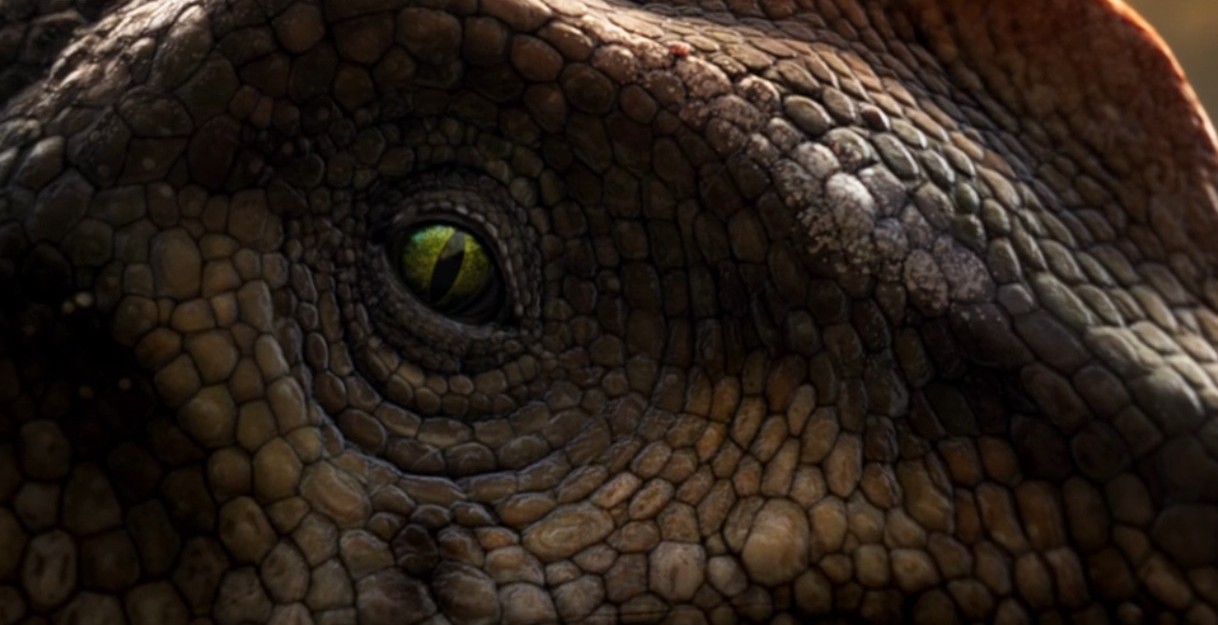
This revival is not just about bringing dinosaurs back to the screen, it has a clear educational mission.
The Show’s Mission: Science Communication
The show’s mission is clear: science communication. It seeks to inspire those unfamiliar with non-avian dinosaurs while offering fresh insights to more knowledgeable audiences. Accurate science communication is essential, and as someone dedicated to increasing global engagement with palaeontology, I appreciate how the series showcases the latest scientific understanding of dinosaurs.
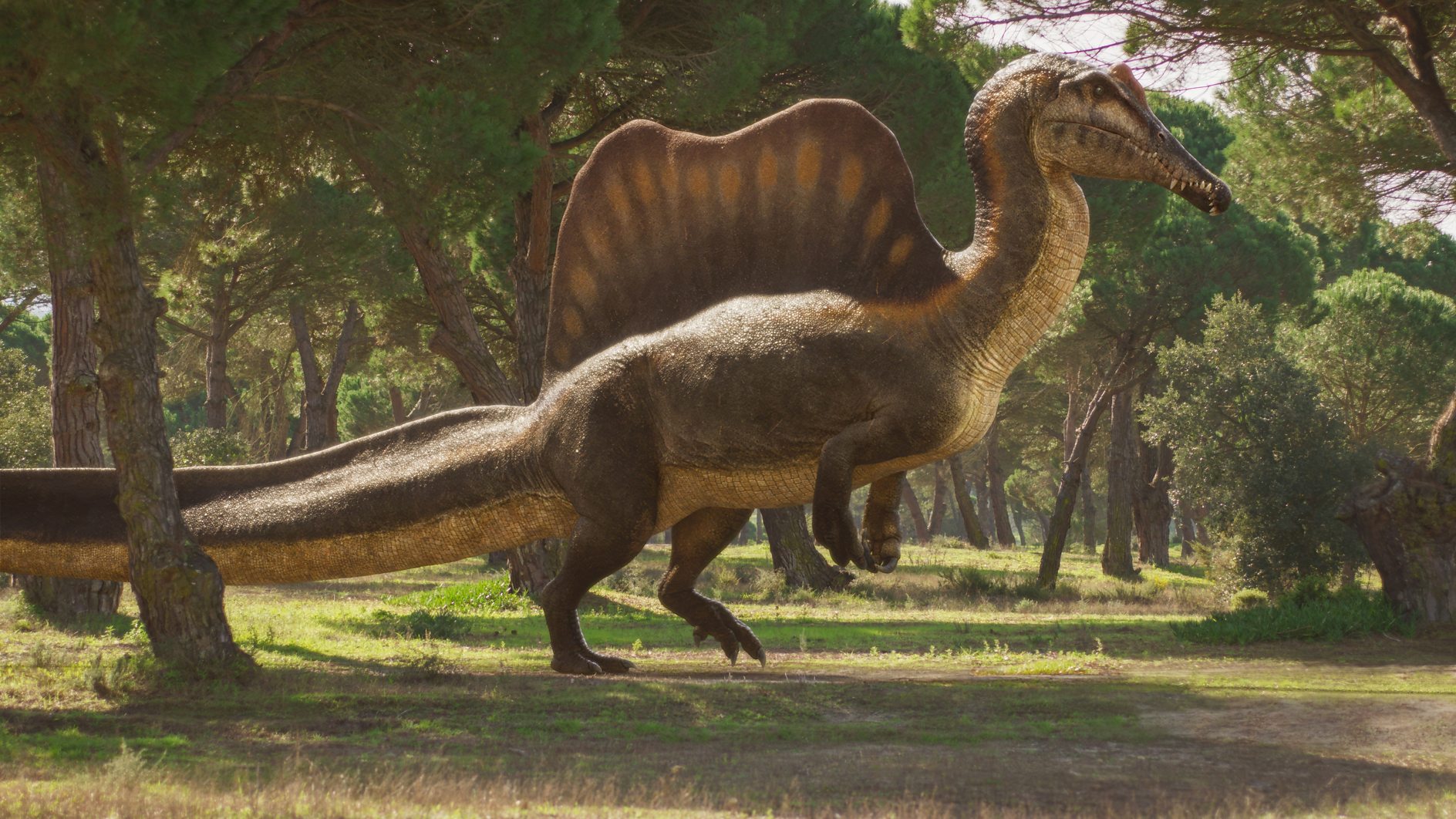
While the science communication in Walking With Dinosaurs 2025 is effective, some information may feel overly simplified for experienced palaeontologists or keen learners already set on pursuing a science career.
Fieldwork: A Window into Palaeontology
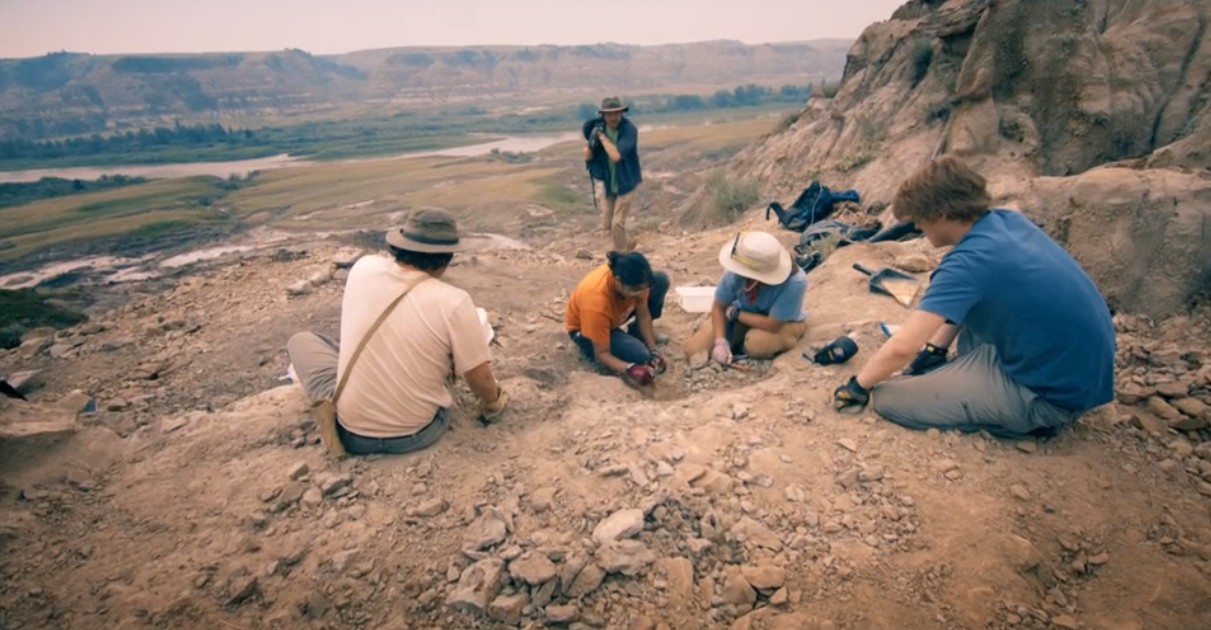
The excavation process unearthing fossils embedded in strata millions of years old is central to understanding dinosaur behaviour, long gone environments, and dinosaur final moments. Fossilised coprolites tell us about diet, while Albertosaurus bite marks on other Albertosaurus skulls hint at intraspecies dynamics. The series features fieldwork across all episodes, intertwining fossil discoveries with narratives about individual dinosaurs’ lives.
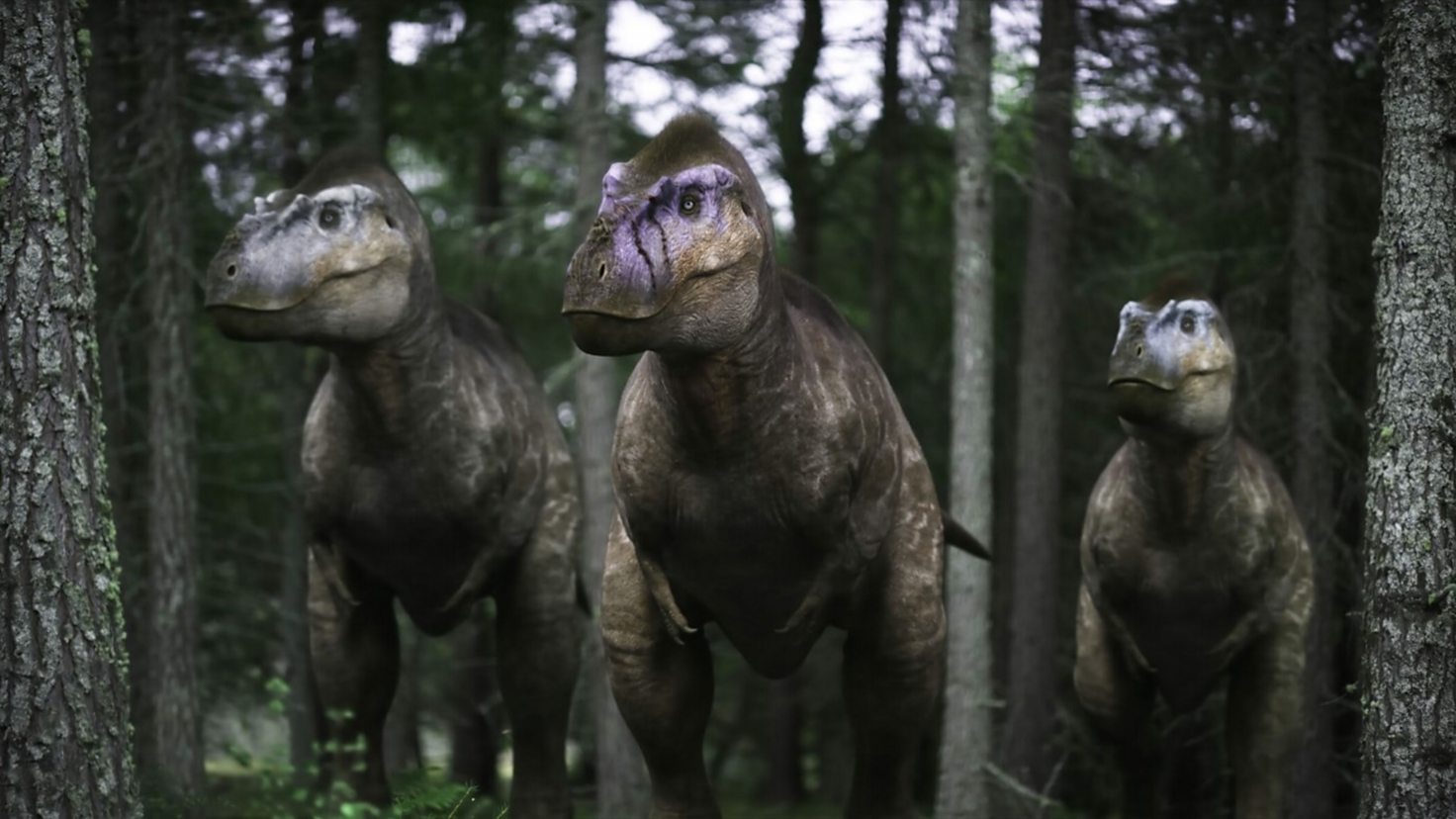
Despite online criticism that these segments might bore younger viewers (something I ardently disagree with), Walking With Dinosaurs maintains a strong focus on how fossil evidence informs our understanding of prehistoric creatures. The show’s intent is clear: it is about reconstructing lost worlds through scientific findings while engaging a new generation, one that was not born when the original 1999 series aired.
Fossil hunting and fieldwork are the heart of palaeontology. Without excavation, most of these dinosaurs, pterosaurs, and other ancient organisms would remain forever buried.

The series showcases experts in the field relaying accurate scientific information through observation. Scientific research is on full display here with not just measurements of fossils being taken but the use of drones tracking fossil locations.
The show also showcases the impacts of the environment, weather and natural disasters, displaying the complex relationship dinosaurs had with the environment they inhabited.
The cinematography in Walking With Dinosaurs is striking, with sweeping camera shots that showcase Earth’s diverse landscapes, from the rugged Badlands of Montana to lush foliage highlighting the Late Cretaceous. These dynamic visuals not only enhance the documentary’s immersive quality but also reinforce the connection between prehistoric creatures and their environments.

While the fieldwork segments provide valuable insight, the series balances scientific accuracy with cinematic techniques to make palaeontology more accessible and visually compelling. The series also takes creative liberties to make palaeontology more accessible.
Balancing Science with Storytelling
The series does simplify its portrayal of fieldwork for story-telling purposes. Museum-quality fossils appear on digs, alongside replica casts, microscopes, and 3D printers, equipment that would not be typically used in remote field conditions. While this choice aids storytelling, a clearer distinction between field procedures and lab analysis should have strengthened its educational core and value.
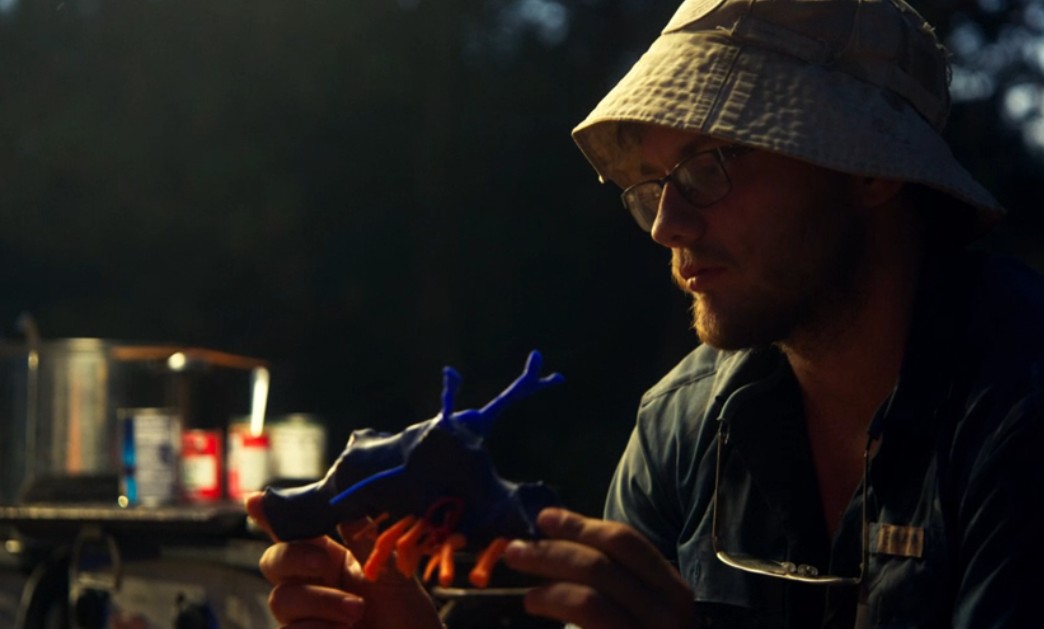
Here, the series falters. While excavation is a vital first step, most fossils require extensive preparation after removal from site, with gradual removal from rock, classification, and detailed analysis. Walking With Dinosaurs 2025 rarely explores these crucial post-excavation processes. A broader depiction of palaeontological research, beyond fieldwork alone, could have made for a more dynamic and comprehensive science communication approach.
Dinosaur Reconstructions
The dinosaur reconstructions in Walking With Dinosaurs are arguably the most accurate ever put to screen. However, when these creatures are on display, they do not exhibit the breadth of behaviours one might expect from a Walking With Dinosaurs series. Rather than deeply exploring dinosaur behaviour, the actions depicted are more in service of the narrative.
Instead of feeling like you are observing these prehistoric animals in their natural environment, the series often comes across as a dramatized re-enactment of possible scenarios. The environments, too, lack the rich dinosaur biodiversity one would expect from the Cretaceous period, something long-time fans of the franchise may find disappointing.
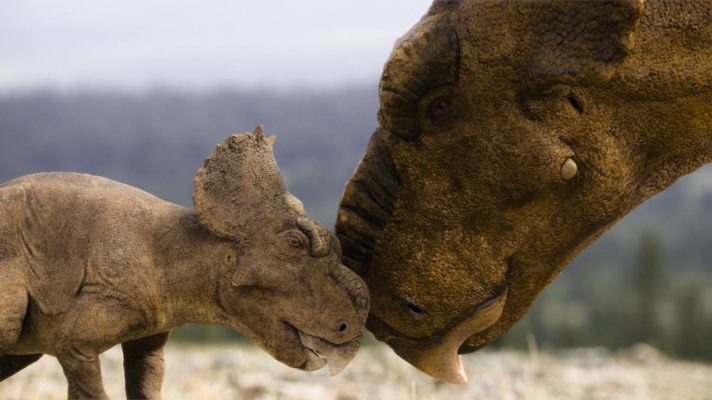
Certain behavioural choices seem oddly exaggerated and contextualised. For instance, a hunting Utahraptor inexplicably knocks over a Gastonia with its head despite the significant weight difference. Similarly, a impulsive Albertosaurus charges into a moving Edmontosaurus herd ahead of its pack, both choices likely made to simplify events for the audience rather than showcase realistic hunting strategies.

Beyond behaviour, the technical execution of these reconstructions also warrants discussion.
Animation and Visual Quality
Some animations feel inconsistent. The dinosaur models often lack detailed muscle simulations, skin movement, and natural responses to environmental elements, features seen in other recent high-budget dinosaur documentaries. Additionally, shots captured of dinosaurs from drone cameras and distant perspectives appear noticeably lower in resolution compared to close-ups, likely a reflection of the BBC’s production budget rather than a deliberate creative decision.
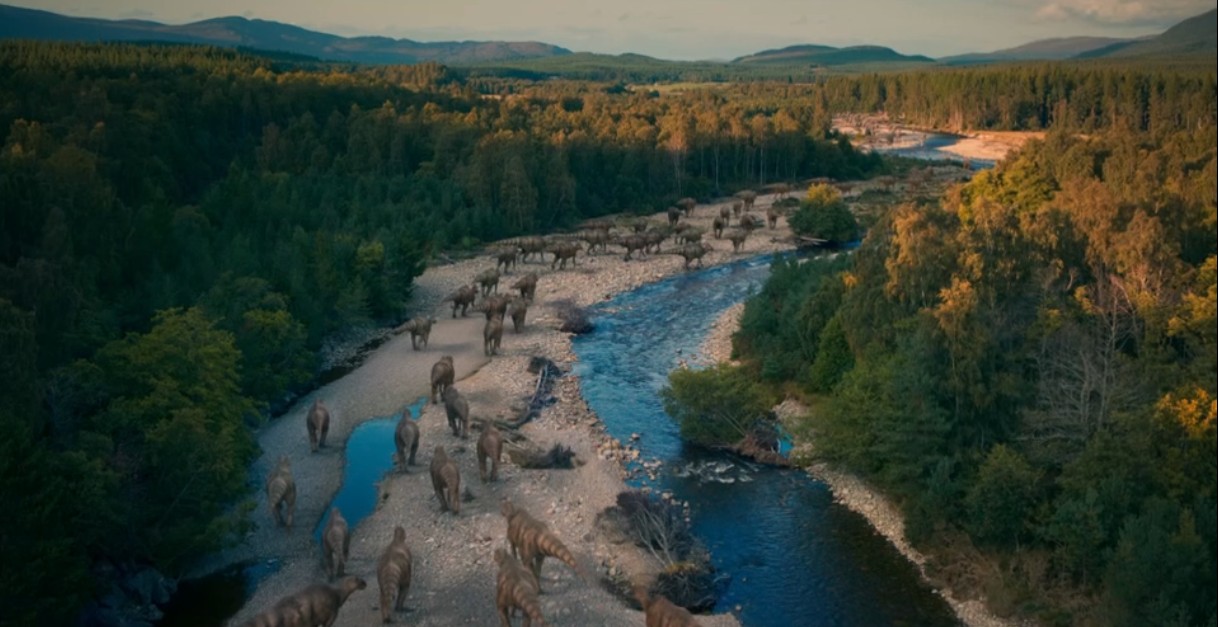
Despite these issues, the scientific accuracy and behavioural depictions remain commendable. The involvement of palaeontologists is evident, particularly in sequences exploring dinosaur interactions, lending credibility to the reconstructions. While Walking With Dinosaurs 2025 may not fully satisfy viewers seeking a comprehensive behavioural showcase, it succeeds in delivering a visually compelling and scientifically grounded experience.
Despite these visual and narrative compromises, the series succeeds in one key area: its commitment to scientific accuracy.
Final Thoughts
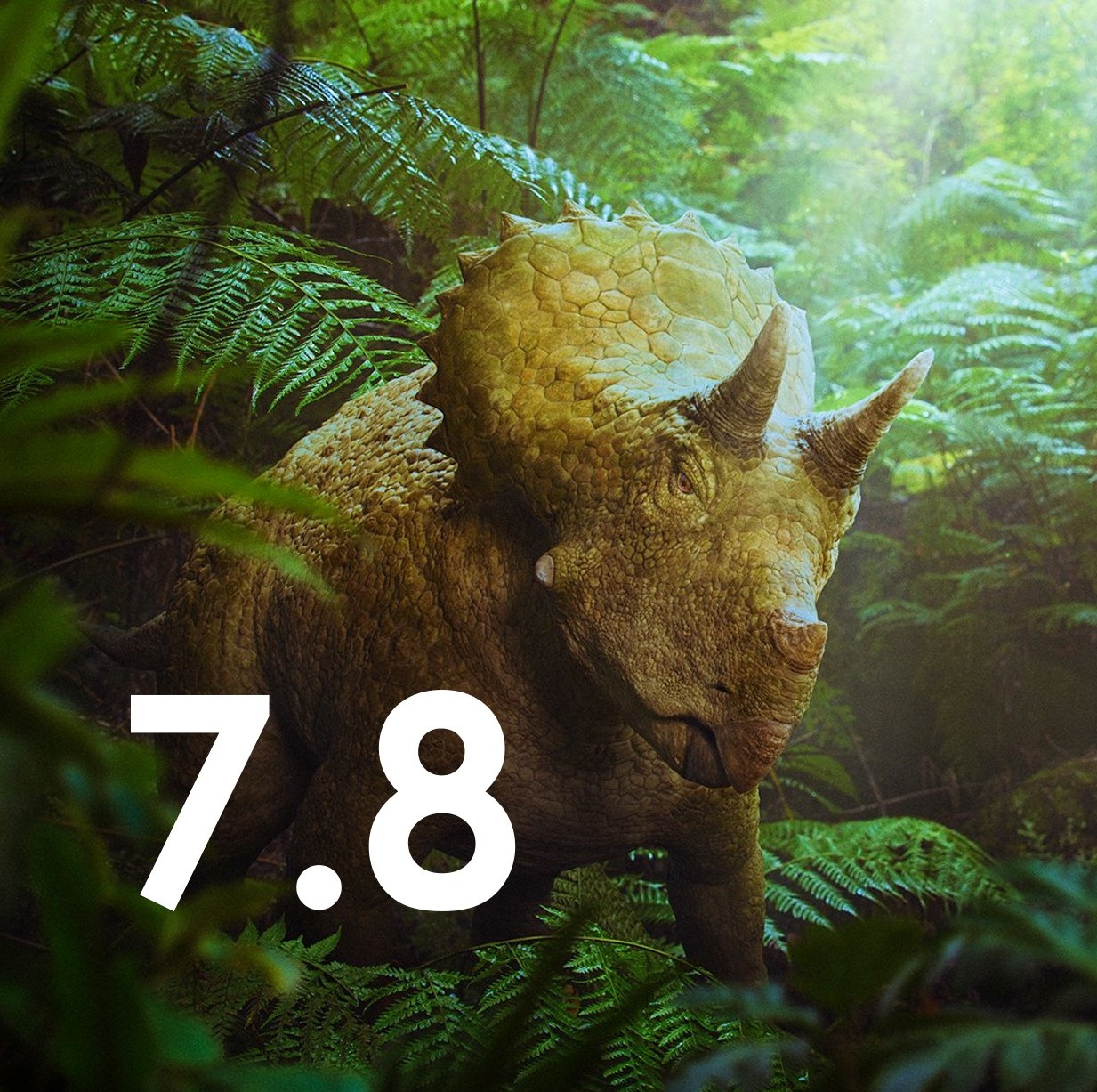
Despite minor shortcomings in its presentation of palaeontology, Walking With Dinosaurs succeeds in its broader mission. It introduces a new generation to the realities of fossil hunting, blending compelling storytelling with evidence-based reconstructions. Twenty-six years after the original series, this revival succeeds in inspiring future scientists and presenting scientifically accurate knowledge, largely delivering on its mission. I would rate the series a 7.8 out of 10 overall.
I thoroughly enjoyed watching the revival series. It is encouraging to see the Walking With Dinosaurs franchise continue to evolve, creating new opportunities for science communication. By engaging the public with dinosaurs and the Earth’s geological past, it fosters a deeper appreciation for palaeontology while bridging the gap between scientific research and a wider audience.
Enjoyed this Review? Go Deeper into the Science
I publish The Palaeo Minute newsletter expert‑led fossil insights and behind‑the‑scenes fieldwork notes. Here is a free edition so you can see what it is like.
Subscribers get: decoded dinosaur science • fieldwork stories • fossil insights • clear palaeontology explainers

Enjoyed this post? Support my science outreach.
Companion Book Review
Ready to unearth prehistoric secrets? Dive into my review of Walking With Dinosaurs: Uncovering the Secrets of Prehistoric Life below!


One thought on “Walking With Dinosaurs 2025 Review: A Revival of Science and Storytelling”