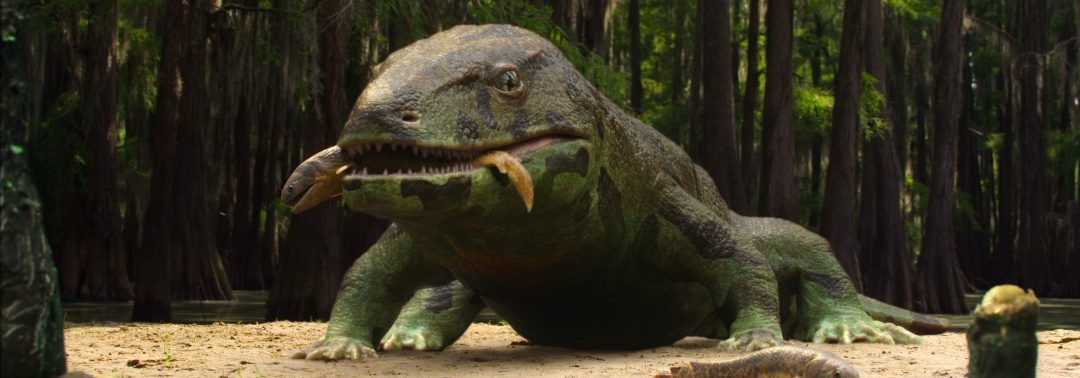
In this article I share some video content from Silverback Films where they delve into the development of Life on Our Planet, covering the filming of the documentary series and how ILM brought the extinct animals back to life for the series.
Life on Our Planet is an eight-part series created by Silverback Films in collaboration with Industrial Light & Magic and Amblin Television which examines life across the Earths 4.5 billion years. In the following videos Silverback Films and ILM detail the work that went into the Netflix series, which involved over 400 crew members, over 800 VFX shots, and over 2,000 hours of wildlife footage.
I hope you have found the videos above engaging and insightful into the development of the series. The behind the scenes videos from the Silverback and ILM teams do a good job of showcasing the amount of work that went into the series and how the dinosaurs, creatures, and landscapes were all reconstructed for the show.
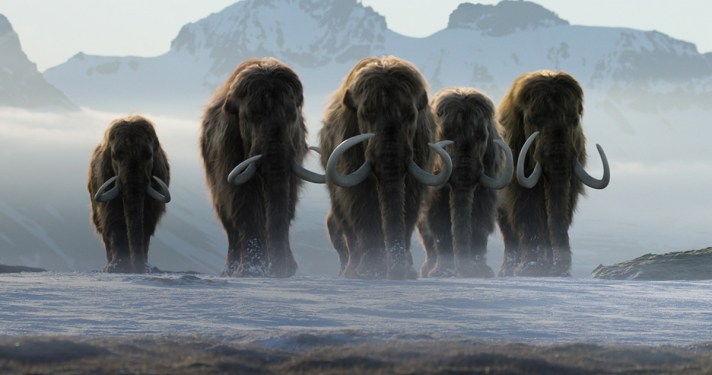
My Palaeontology Outreach
You can find out more about my palaeontology research at the research page which details the palaeontology projects I have done before and during my Masters. For dinosaur palaeobiology information you can check out the dinosaur fact file tab, which displays scientific information on the non-hadrosaurid ornithischian and hadrosaurid specimens analysed in my MSc research.
The scicomm page is also the place to explore to find out more about my science communication work covering palaeontology exhibitions, palaeontology volunteering and events. Finally, you can discover all my relevant science communication links at the scicomm links page.

