
A new Jurassic World film has been announced with a 2025 release on the cards. In this article I detail what the new Jurassic film needs to focus on to build upon what has come before.
So, a new Jurassic World film is in development with Jurassic Park and The Lost World: Jurassic Park script writer David Koepp returning, and he has written the full script according to reports. Jurassic World: Dominion palaeontological consultant Professor Steve Brusatte has also confirmed he will be returning to consult on the new film.
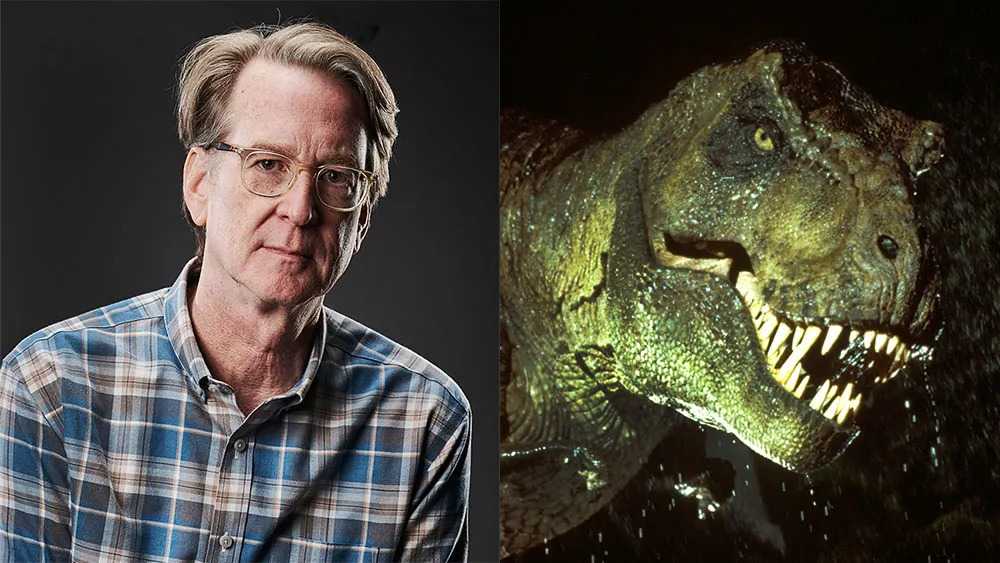
I am excited by all this but am also apprehensive, as I am intrigued about where this new film will go and what it will mean for the franchise.
It is being reported to be a continuation of the Jurassic World franchise, but Owen and Claire will not be returning, nor will the legacy Jurassic Park cast of Dr. Alan Grant, Dr. Ellie Sattler and Dr. Ian Malcolm who featured in the most recent Jurassic World sequel, Jurassic World Dominion.
The upcoming Jurassic World film will feature a new story and cast taking the franchise into a new era of dinosaur blockbuster film making.
The Jurassic World franchise needs a jolt of freshness to keep the story captivating after three Jurassic World films, so what is the answer? Here is a palaeontologist’s perspective covering what I feel is a critical addition that is needed for the new films story plotting.
Focus on Palaeontology and Answer Scientific Questions!
As much as I love and enjoy all the palaeontology sequences throughout the franchise from the Velociraptor field dig in Snakewater Montana in Jurassic Park to families exploring the dinosaur hologram globe in the Jurassic World Innovation Centre, I do think palaeontology and research as a subject is underutilised from a story perspective within the Jurassic World franchise.
As per what we know so far, I am basing the following on the next film being set post Jurassic World: Dominion. But even if it is not, I would want to see similar scientific questions be at the story forefront of the next film and not just something to be glossed over or left unresolved.
Jurassic World: Dominion set a lot up regarding the state of palaeontology post dinosaurs in the films world. Palaeontology still remains underfunded, and some young people do not seem to be engaging with the fossilised remains because there are living, breathing dinosaurs wandering around in the open world now as seen in the video below.
So, where is the scientific/public debate over dinosaurs adapting to a world that is not their own now? Why are dig sites like Alan Grants dig in Utah underfunded when palaeontology should be booming due to increased sightings and public interest in how to deal with the dinosaurs?
Where is the research over dinosaurs eating/damaging crops, migrating and impacting water supplies? How are the dinosaurs fairing in climates compared to the climates identified within the paleoenvironmental record?
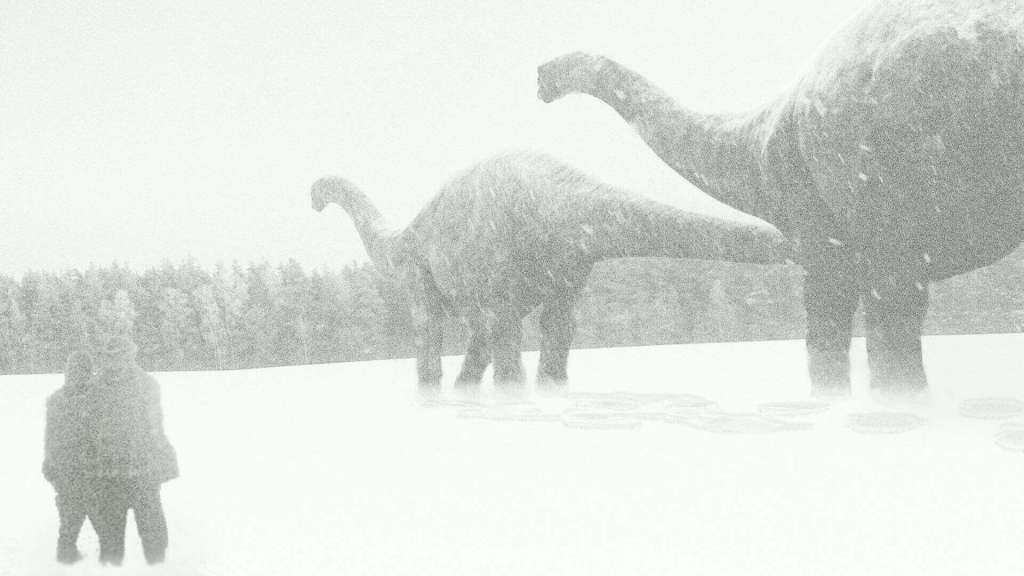
Are there any dinosaurs left in the open world which have developed new behaviours to cope with being in a foreign environment which have not been seen before? Has dinosaur nesting behaviour been impacted from the change of environment from a park setting on Isla Nublar, to now being out in the open world?
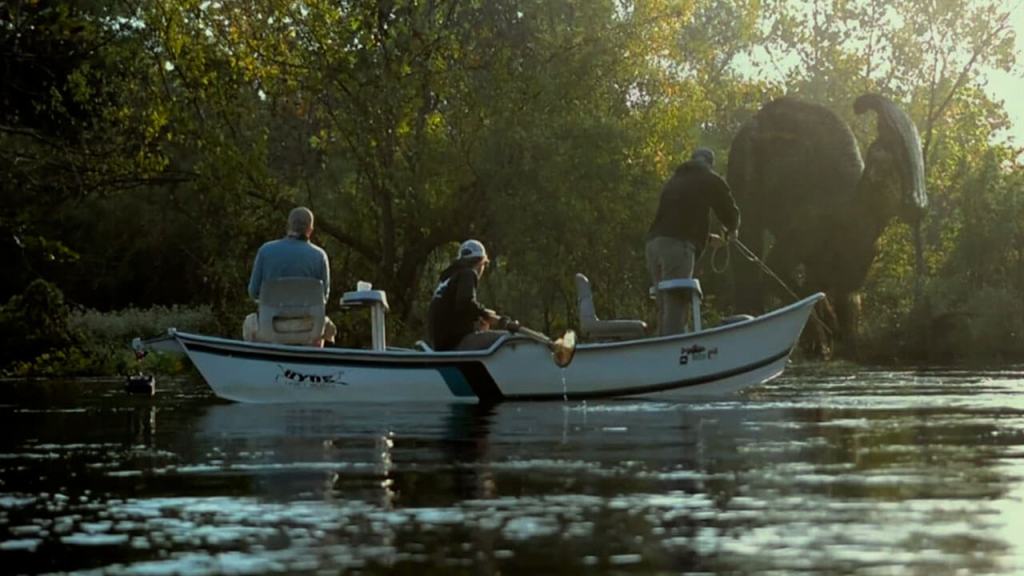
How do the Masrani Global and Biosyn dinosaurs living today impact and change palaeontology as a science? Does a Tyrannosaurus Rex clone help to tell palaeontologists anything new about dinosaur behaviour compared to what is already known within the film’s universe fossil record?
If Biosyns dinosaurs are 100% pure genome, then what does that mean for comparisons with skeletal remains and trace fossils such as nests and dinosaur footprints, which have identified parental and migratory behaviour? Are there any differences in behaviour seen between the actual Biosyn dinosaurs and those identified within the fossil record? These are the types of questions which have not truly been explored throughout the Jurassic World films.
For the new film for example, we could have two researchers who are examining the migratory habits of Jurassic World hadrosaurs and how this is being impacted by nightlife and street lighting. Are the dinosaurs following a specific path, or are they making their own?

What damage have hadrosaurs caused to the vegetation of the area they have travelled to or from? Have they learned to stay away from humans? How is public interaction changing dinosaur behaviour out in the open for better or for worse? This storyline could also cover whether there are now early curfews in some residential areas so as to not come across wandering dinosaurs, and the financial cost of dinosaurs damaging people’s homes and the local environment.
Or we could have a storyline of research being undertaken on juvenile carnivorous dinosaurs, and their impact on local mammal populations and the food web. The researchers could be examining how extant modern birds of prey are coping with dinosaurs eating their food.
These are just a couple of storylines off the top off my head that could be used across the course of the new film. Based on the organisations seen within the film universe so far, I would expect to see The Department of Prehistoric Wildlife, The Department of Fish and Wildlife and The Dinosaur Protection Group all working together in some capacity on screen.
The upcoming Jurassic World film has the opportunity to take some of these questions I have described above and really shine a light on them. Not just by talking about them, but by showing researchers and palaeontologists actually assessing such questions/hypotheses and working these out through gathering evidence throughout the story. Showing real science on screen that unfolds with evidence, research, time, and analysis just like real life.
These research storylines would not take away from the peril or humans being attacked/eaten sequences, which is expected in a Jurassic World film but would provide needed scientific depth to the films story.
The first Jurassic Park film provided a great scientific debate in the dinner discussion scene. This scene provided great character development and had character implications later on in the story, like Alan agreeing with Malcolm that “life found a way”.
We have had segments within the Jurassic World films which have attempted to examine similar types of questions. Like the BBC News interview and The Dinosaur Protection Group segment at the start of Jurassic World: Fallen Kingdom, or in Jurassic World: Dominion with the Now This interview.

The Jurassic World films have never committed to fully exploring and answering what a world with dinosaurs would actually mean for science, humanity, and the environment.
The BBC News interview and subsequent scenes with The Dinosaur Protection Group show the fallout from Jurassic World in 2015. The animal rights issues surrounding the de-extinct dinosaurs of Isla Nublar are also covered but these are not explored in any great depth by the time we get to Jurassic World: Dominion.
There is no in-person public questioning about how people’s lives have changed as a result of dinosaurs being in the world now. How are people adjusting to the prospect of a dinosaur or a herd/pack of dinosaurs living close by?
In the NOW This segment in Jurassic World: Dominion the issues the segment brings up around dinosaurs being in our world are excellent covering confrontations, how dinosaurs can safely live alongside humans, and adaptation to unfamiliar conditions. Jurassic World: Dominion never examines the consequences of this in great detail unfortunately.
The presence of The Dinosaur Protection Group and activist groups seen at the start of Jurassic World: Fallen Kingdom are nowhere to be seen in the Now This segment. There is no public outcry over Biosyn using dinosaurs for pharmaceutical purposes and no one questioning Bioysn’s motives in collecting all the dinosaurs.
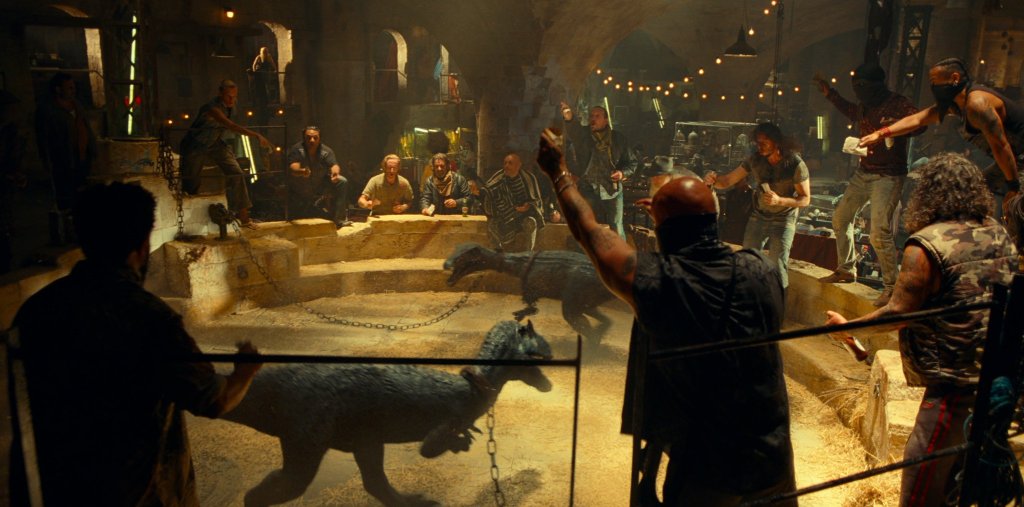
By the end of Jurassic World: Dominion a lot of the dinosaurs end up in Biosyn Sanctuary, some dinosaurs remain out in the open and black markets selling dinosaurs are still in operation. But scientists and the public coming to terms with how to deal with all this has not been truly explored.
The next Jurassic World film needs to stand out from the rest and take the franchise in a fresh, fun, and engaging direction. By focusing more on scientific questions and taking the time to answer them, the new film can provide the franchise with a deeper scientific grounding, a more coherent story enriching the films gravitas and story impact.

Such a grounding will inspire debate, discussion and get people to think about the bigger picture about the prehistoric past and the Earth of today. This would further inspire young people into learning more about how palaeontology and scientific research takes place.
You can find out more about my palaeontology research at the research page which details the palaeontology projects I have done before and during my Masters. For dinosaur palaeobiology information you can check out the dinosaur fact file tab, which details further scientific information on some of the non-hadrosaurid ornithischian specimens and hadrosaurid specimens analysed in my MSc research.
The scicomm page is also the place to find out more about my science communication work covering palaeontology exhibitions, palaeontology workshops and events. Finally, you can discover all my relevant science communication links at the scicomm links page.


2 thoughts on “Exploring Scientific Questions in the New Jurassic World Film”