
In this article I give an overview of the second season of Prehistoric Planet on Apple TV +. This overview highlights the scientific accuracy, prehistoric creatures shown on screen and additions to the second season of Prehistoric Planet, that make it a better season than the first.
I have been meaning to publish an article on Prehistoric Planet 2 for a while now, the documentary series aired on Apple TV + from May 22nd to May 26th, 2023. This article won’t be so much of a review but more of an overview of some of the aspects I really loved about the second season. There is plenty to discuss about Prehistoric Planet so here are my thoughts on the second season of the highly acclaimed Apple TV + documentary series.
Prehistoric Planet 2 like the first season displays the latest scientific research on screen showcasing dinosaurs as actual animals. Taking into account scientific discoveries of dinosaur nesting, parental behaviour, hunting behaviour, anatomy, movement and biomechanics. The series combines this with behaviours seen in extant taxa (living animals) today to make Prehistoric Planet’s dinosaurs feel authentic to what they would have actually been like.
New scenarios of dinosaurs trying to live and survive in the Maastrichtian of the Late Cretaceous are filmed in breath-taking beautiful locations. David Attenborough returns to narrate the second season, just like the first and does a fantastic job in explaining the different creatures on screen and their lives.
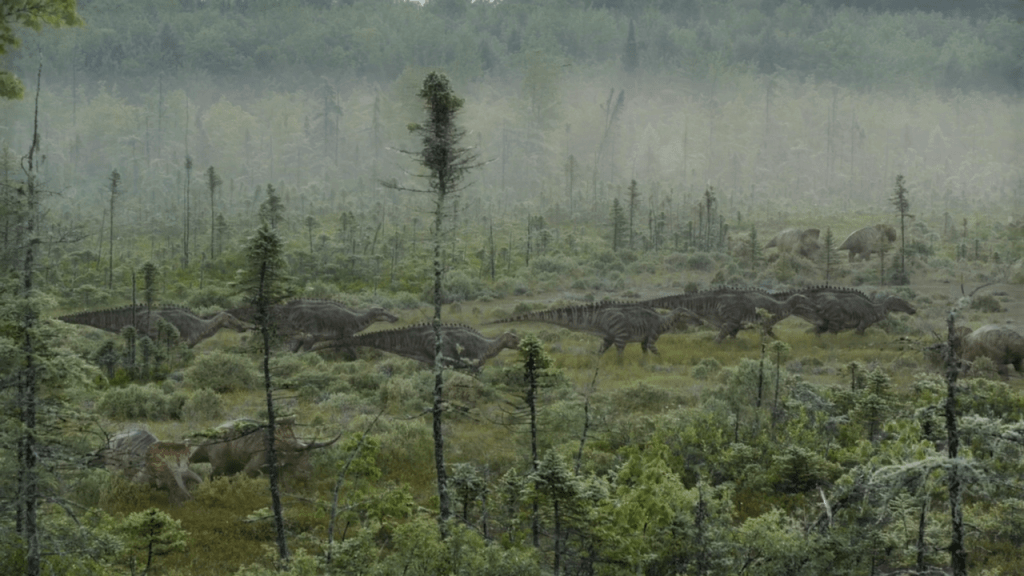
The episodes in the second season focus on Islands, Badlands, Swamps, Oceans and North America. The series is not just limited to dinosaurs with mammals and marine reptiles also having the spotlight shone on them. A mother Adalatherium is shown raising her young in a borrow in Episode 1 Islands and in Episode 4 Oceans, Mosasaurus hunts a group of Turangisaurus.
I highly recommend watching both seasons of Prehistoric Planet if you have not already done so. I firmly believe they are the best pieces of palaeomedia we have received so far on screen.

There were many highlights for me in Prehistoric Planet 2. I enjoyed the focus on new dinosaur species that people may not know much about, like the Tehyshadros and the Rajasaurus.

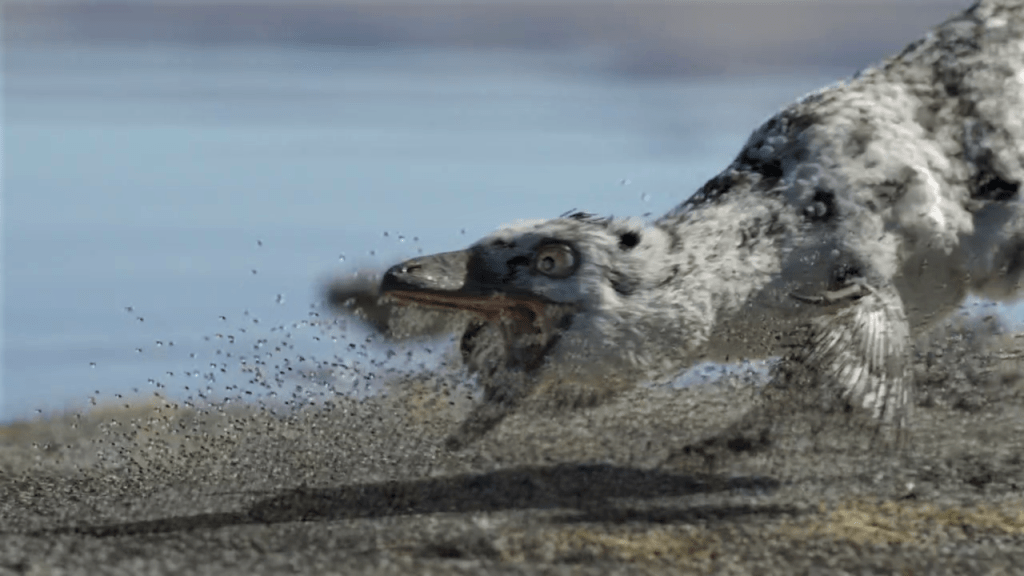
Seeing newly hatched Isisaurus in Episode 2 Badlands stands out as a highlight alongside a family of Pectinodon hunting flies in Episode 5 North America, in the same episode we also get a chase sequence between a female Nanuqsaurus and Ornithomimus, which is exquisitely filmed. There are so many inspired scenarios of dinosaurs living their lives throughout Prehistoric Planet 2, it is is difficult to narrow down a favourite sequence in particular.
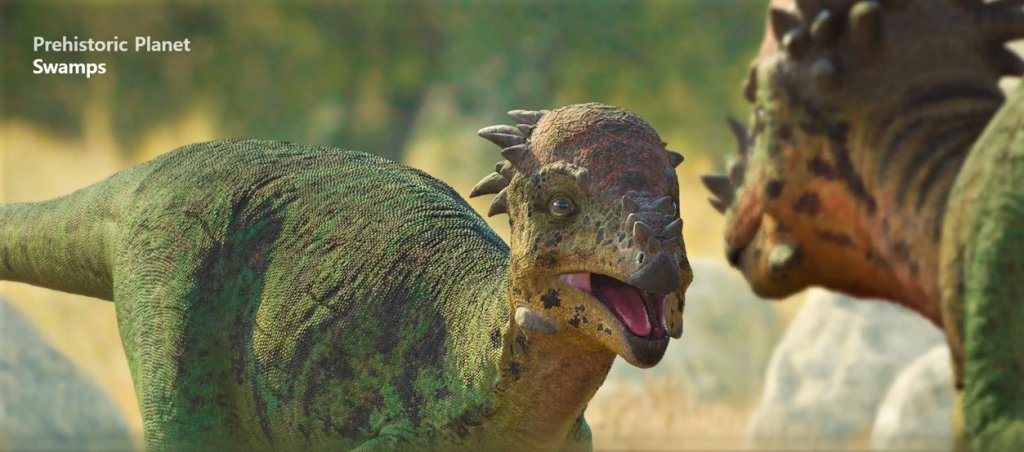
Episode 3 Swamps is probably my favourite episode of the second season however, displaying Austororaptors fishing, Pachycephalosaurus display and headbutting along with Tyrannosaurus rex hunting Edmontosaurus in a dramatic sequence at night.
One of the best additions to the second season is the mini videos that feature at the end of each episode called Prehistoric Planet: Uncovered. There are also mini videos featured in the bonus content section of Apple TV + as well under the series.
Prehistoric Planet: Uncovered delves into the science of palaeontology and how we know certain things about dinosaur anatomy, behaviour and appearance. They do a great job of showcasing palaeontological research and scientific evidence for the dinosaurs and other creatures shown in the series. With palaeontologists and scientific experts breaking down how we know what we know about these prehistoric creatures. I have included a few more of these videos below.
These mini videos are what the first season of Prehistoric Planet needed more of, and it is great that the creative team decided to incorporate more of them into the second series. Getting across the latest research and theories surrounding dinosaur, pterosaur and marine reptile palaeobiology.
The Prehistoric Planet team also released an official podcast on the 2nd of May 2023 delving into the development, research and scientific consulting work that pulled Prehistoric Planet together.
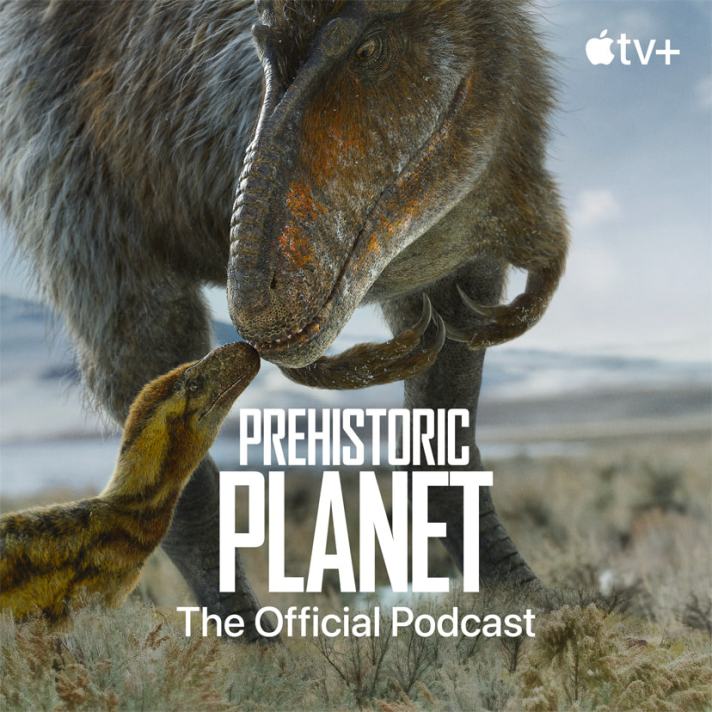
Hosted by executive producer Mike Gunton, each podcast episode features discussions on the development of the natural history series, along with interviews from executive producer Jon Favreau, producer Tim Walker and lead scientific advisor Dr. Darren Naish. You can find the official Prehistoric Planet Podcast on Spotify, Google Podcasts and Apple Podcasts.
The podcast is a great companion piece to the Prehistoric Planet series and supplies insight into the monumental work and craftmanship which went into the ground-breaking series. A must listen podcast for anyone interested in learning more about the development of Prehistoric Planet. You can listen to the first episode below.
Prehistoric Planet 2 took what the first season did well and built off it. The series has set the benchmark for palaeontology documentaries extremely high, not just the lifelike CGI by MPC but the enormous amount of scientific research and consultation which was used in the series and is displayed on screen.
The positive impact both seasons of Prehistoric Planet has had on palaeomedia, and young budding palaeontologists will be felt for years to come. In my personal opinion the second season is better than the first, supplying more engaging stories of dinosaur lives and survival.
The series shares more palaeontological and scientific information, with experts highlighting important research and scientific facts in the Prehistoric Planet: Uncovered mini videos. I can’t give the series and team behind it all enough praise. It truly is an incredible documentary series that achieves so much in terms of science communication and changing the publics perception as to how dinosaurs lived their lives and would have been like.
We are living in a new palaeontology renaissance of documentaries with another palaeontology series also on the way, in the form of Netflix’s eight-part series Life on Our Planet. Narrated by Morgan Freeman, this documentary series is set to release this October.
You can check out the new Life on Our Planet teaser trailer below.
I am interested to see how this series will play out in comparison to Prehistoric Planet as Life on Our Planet will focus on the Mesozoic era as well as the Paleozoic and Cenozoic eras. We are truly fortunate to be getting these types of documentaries and I am excited about watching Life on Our Planet in October.
I hope you have found this overview of Prehistoric Planet 2 engaging. You can find all my science communication links at the scicomm links page. If you are new to the website I highly recommend exploring everything the website has to offer.


3 thoughts on “New Scenarios and Dinosaur Species in Prehistoric Planet 2 – Overview”